Most vs Least Expensive Cars to Maintain
The cheapest car to maintain is usually a simple, mainstream model with a common engine, cheap and widely available parts, and nothing exotic under the hood. The most expensive is usually a luxury or high performance model with specialized parts, complex electronics, and service that only a dealer or a specialist can do well. That gap matters more than the sticker price, because maintenance is the bill that keeps arriving for as long as you own the car.
If you are shopping for a used car, maintenance cost should be part of the budget from day one. A bargain purchase price means little if every routine job costs twice as much and every repair needs a part shipped from overseas.
What actually drives maintenance cost
Maintenance cost is not one number. It is a stack of smaller costs, and each one is bigger or smaller depending on the car.
Parts availability comes first. A car that sold in huge numbers has parts everywhere: auto parts stores stock them, independent shops know them, and aftermarket suppliers compete on price. A rare or low volume model flips that around. Parts cost more, take longer to arrive, and sometimes only the dealer can supply them.
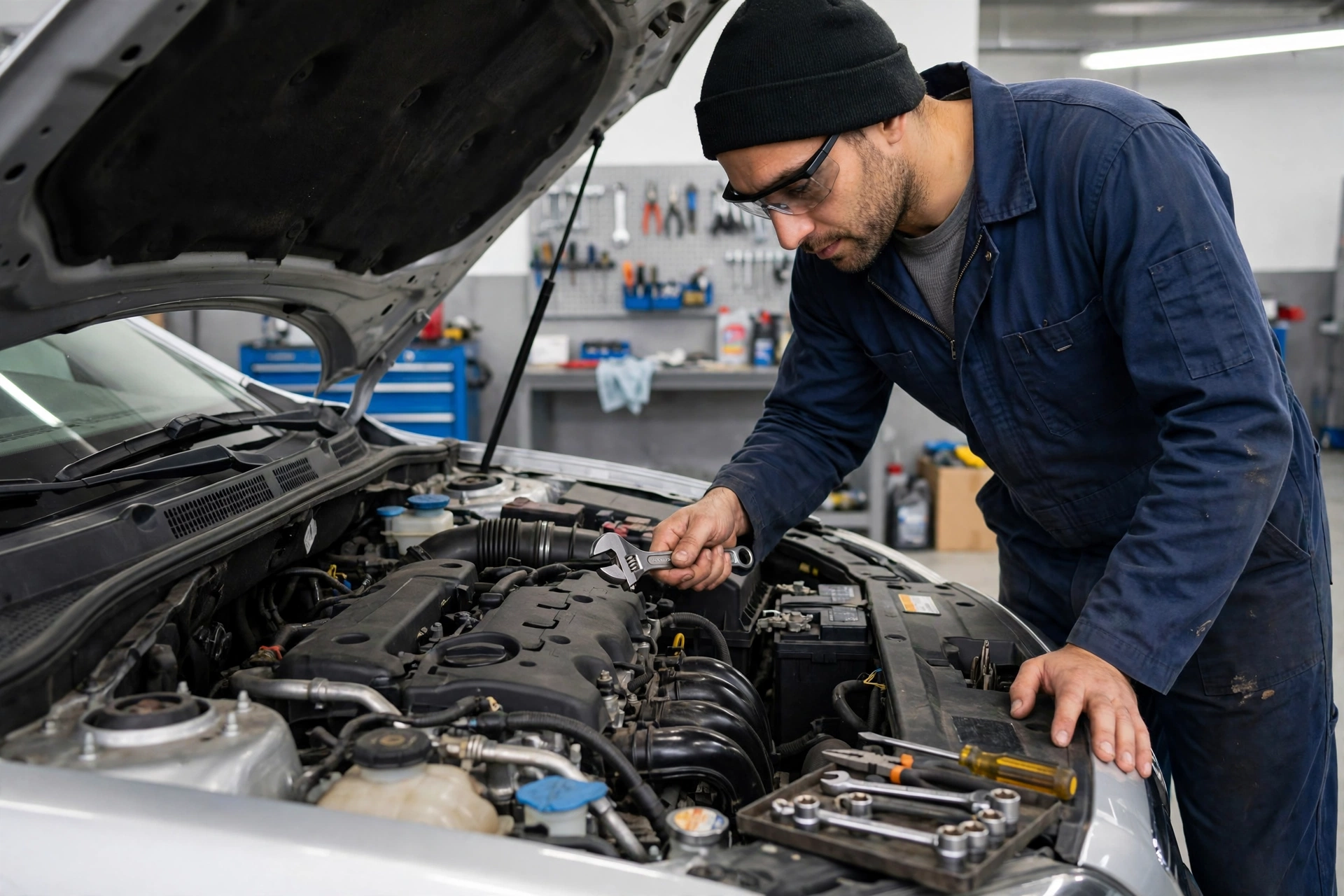
Complexity comes second. A naturally aspirated four cylinder with a simple layout is quick to service. A twin turbo V8 packed into a tight engine bay, or a car with air suspension and a dozen control modules, takes longer to work on and gives a mechanic more things to diagnose. Labor time is a big part of every shop bill, so a car that is hard to reach into is a car that costs more to maintain.
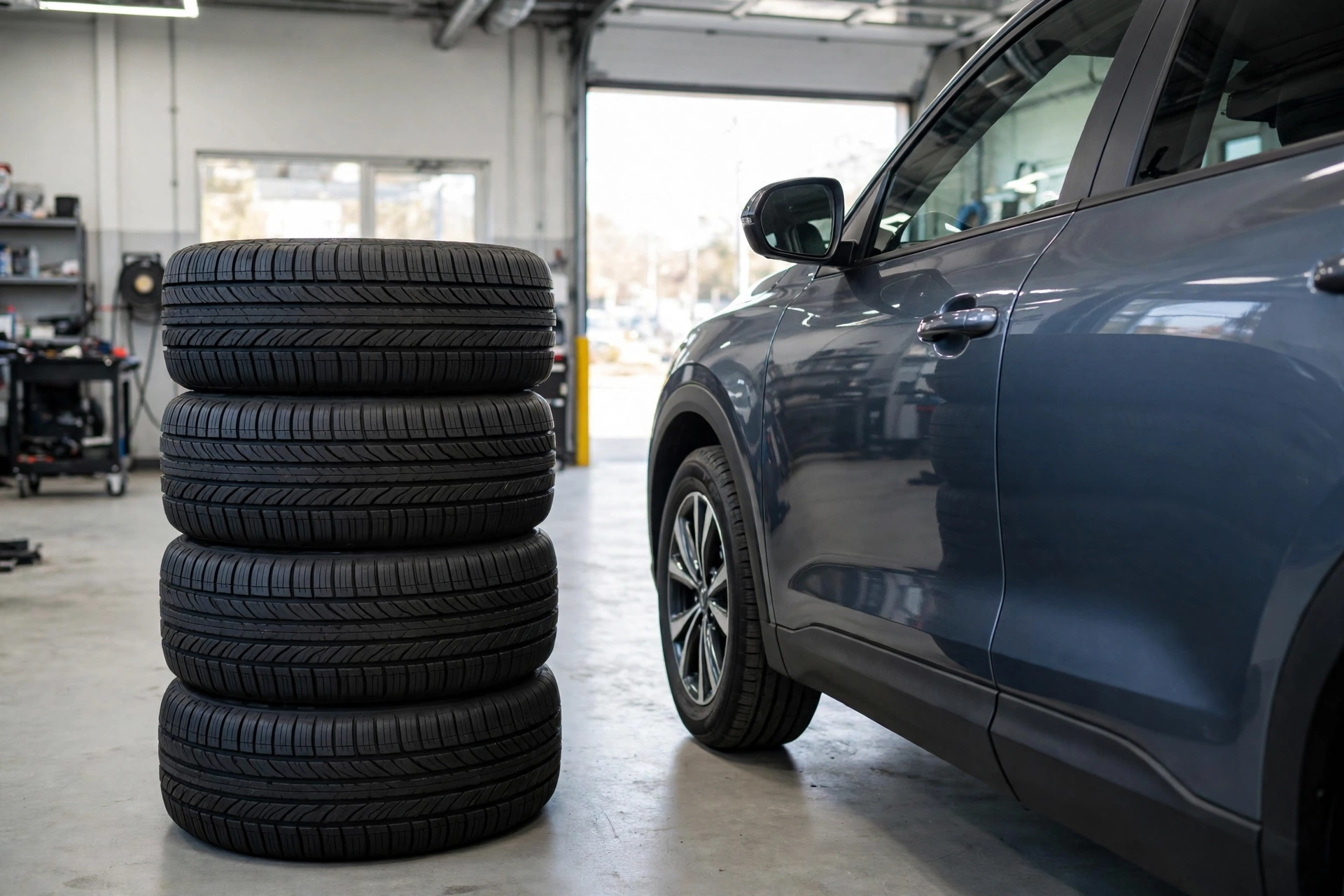
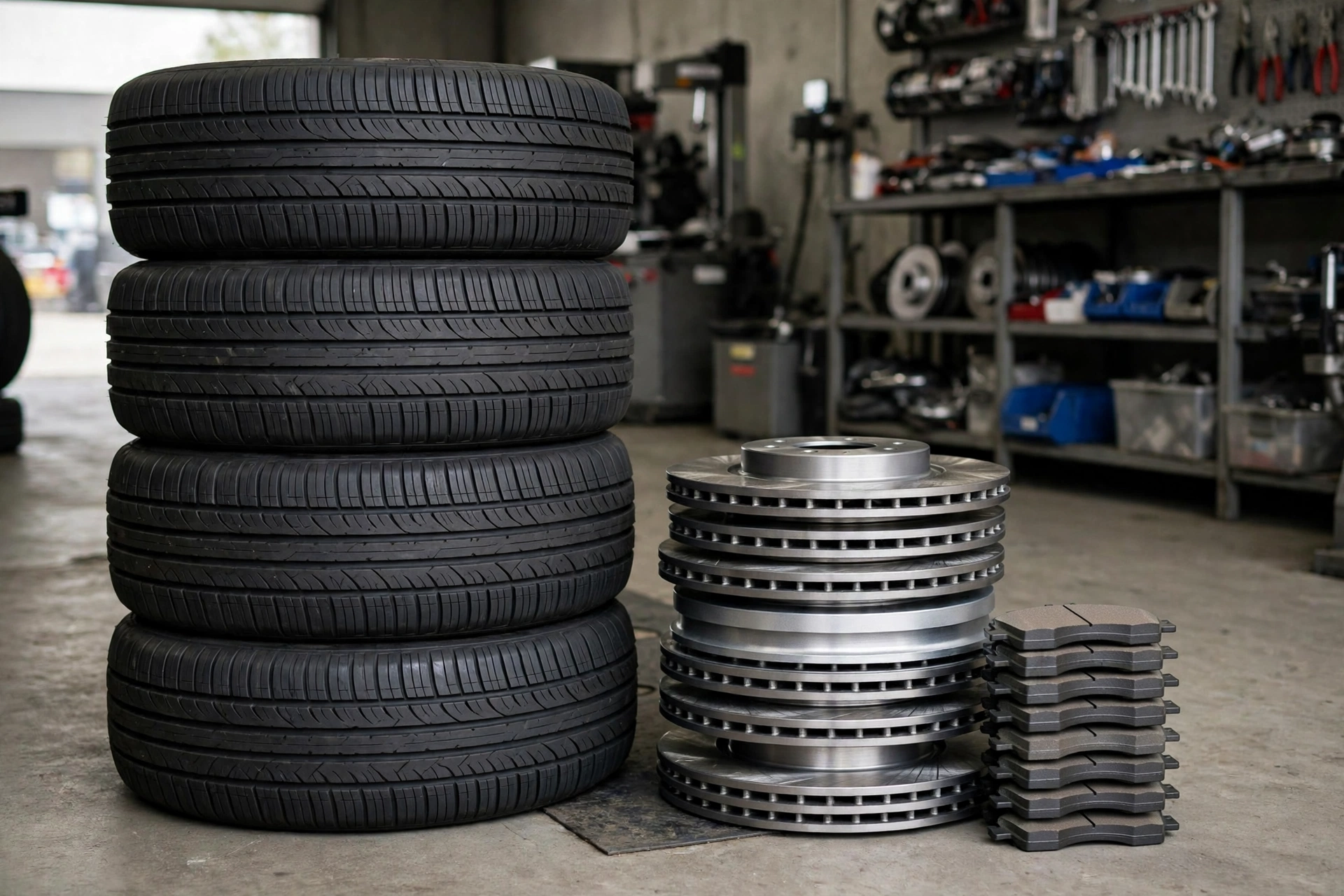
Tires and brakes come third, and buyers forget them. Big wheels mean big tires, and performance brakes mean bigger, pricier rotors and pads. These are wear items you replace again and again, so a car with expensive consumables stays expensive for its whole life.
Age and mileage come fourth. Any car gets pricier to maintain as rubber parts, bushings, and seals wear out. But the slope is steeper on complex cars, where one worn part can trigger a chain of related repairs.
The cheapest cars to maintain, in general
The cheapest end of the spectrum is easy to describe: mainstream sedans and small SUVs with four cylinder engines, front wheel drive, steel suspension, and a long production run. Think of the kind of car that every shop in town has worked on a hundred times. Parts are cheap because they are common, labor is quick because access is good, and there is nothing in the design that forces you back to the dealer.
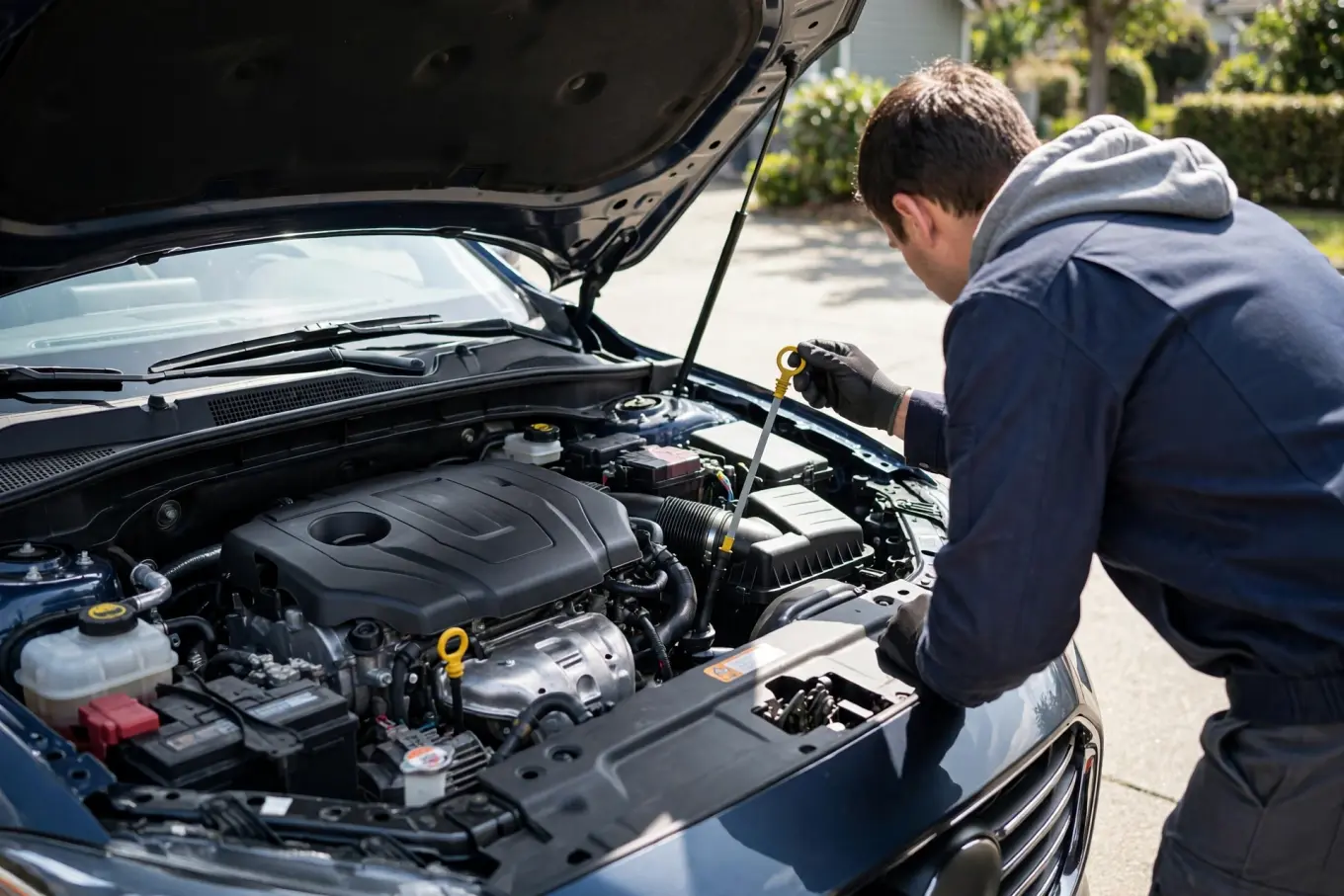
These cars also tend to be forgiving about DIY work. Oil changes, air filters, spark plugs, and brake pads are straightforward jobs on a simple layout, which is where a home mechanic saves the most. If you plan to do your own basic maintenance, a simple mainstream car pays you back every time you open the hood.
Small cars have one more advantage: smaller tires, smaller brakes, and lighter weight all mean cheaper consumables. A compact sedan will almost always cost less to keep rolling than a full size truck or SUV, simply because everything on it is smaller and less stressed.
The most expensive cars to maintain, in general
At the other end sit luxury flagships, high performance cars, and anything with exotic engineering. The pattern is consistent: specialized parts, dealer only software and tools for some jobs, and systems like air suspension, active differentials, or complex turbo setups that are expensive when they fail.
European luxury cars get most of the reputation here, and it is mostly earned, not because the engineering is bad but because the parts and labor are priced for a luxury market. A routine job on a mainstream car can cost several times as much on a luxury car for no other reason than the badge on the parts box and the hourly rate at the shop that services it.
Performance cars add another layer: they wear through tires, brakes, and fluids faster because they are driven harder and built to tighter tolerances. That is not a flaw, it is the price of the performance, but it belongs in the budget before you buy.
Older luxury cars deserve a special warning. The purchase price falls fast, but the maintenance price does not fall with it. A ten year old flagship still needs flagship parts and flagship labor. This is the classic trap: an affordable used luxury car with unaffordable upkeep.
How to check maintenance cost before you buy
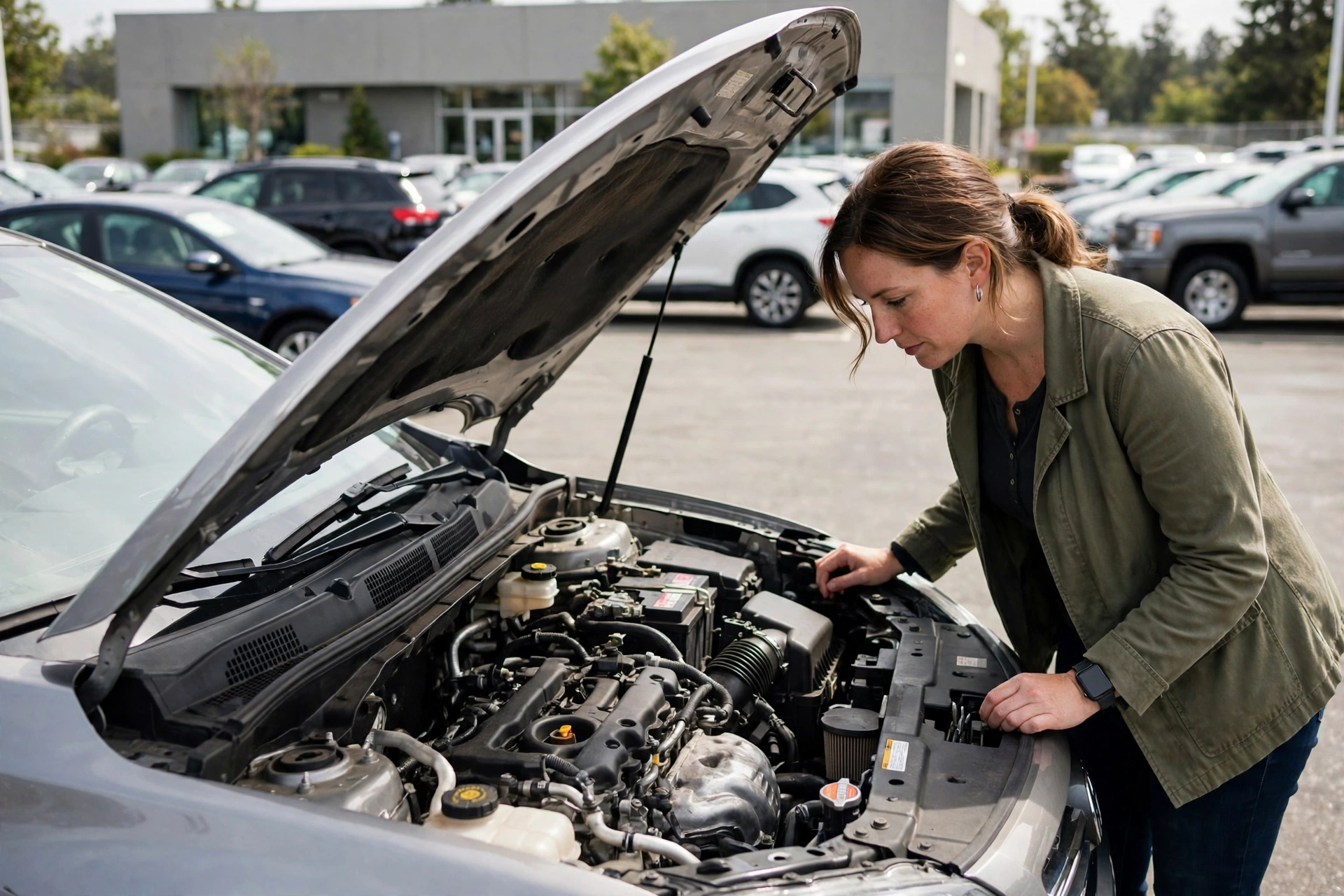
You can do most of this research in an afternoon, and it beats guessing.
First, price the consumables. Look up tires in the car's exact size, a set of brake pads and rotors, and a battery. These are the jobs you will do repeatedly, and they tell you more about real ownership cost than any review.
Second, ask an independent shop, not a dealer, what the car is like to live with. Independent mechanics see these cars every day and will tell you plainly which models are easy money and which ones eat parts. One honest conversation is worth hours of forum reading.
Third, check the service schedule in the owner's manual. Look at what is due at the mileage you will actually reach, and whether any of those jobs are known to be labor heavy on that model. A car that needs a major service right after you buy it is not the bargain it looks like.
Fourth, look at parts availability for that exact model and year. If parts are easy to find from multiple suppliers, costs stay competitive. If only one source carries them, expect higher prices and longer waits.
Cost: what to expect in broad terms
This post deliberately avoids quoting specific dollar figures, because maintenance prices vary by region, shop, and model year, and a number from one market would mislead a reader in another. What holds everywhere is the shape of the cost curve.
On a simple mainstream car, routine maintenance is a cheap part of ownership, and most repairs are straightforward jobs with common parts. On a luxury or performance car, routine maintenance is a bigger line item, and repairs skew toward specialized parts and longer labor. On any car, the total climbs with age, but it climbs fastest where complexity is highest.
The practical rule: if two cars cost the same to buy, pick the one that costs less to maintain unless you have a specific reason to want the pricier one. A car you can afford to maintain is a car you will actually maintain, and a well maintained car lasts longer and breaks down less.
DIY vs shop verdict
Simple mainstream cars are the best DIY candidates, and doing your own basic work is where the savings are largest. Oil and filter changes, air filters, and brake pads are all realistic weekend jobs on a simple layout, and each one you do yourself cuts the lifetime cost of the car.
Luxury and performance cars flip the verdict. Some jobs still make sense at home, but complex diagnostics, specialized tools, and software dependent service push more work to a specialist. Paying a good independent specialist is usually smarter than paying dealer rates, but either way the labor bill is real.
The take: buy the car whose maintenance you can actually afford and, if you like working on cars, actually enjoy. A simple car you maintain on schedule will beat a fancy car you defer maintenance on, every time.
FAQ
What type of car is cheapest to maintain?
A mainstream sedan or small SUV with a four cylinder engine, front wheel drive, and a long production run. Common parts, easy access, and every shop knowing the car keep costs down.
Are luxury cars always more expensive to maintain?
Almost always, yes. Parts cost more, some jobs need dealer tools or software, and labor rates at luxury specialists run higher. The gap is biggest on older luxury cars, where the purchase price has dropped but parts prices have not.
Does a used car always cost more to maintain than a new one?
Not always, but usually it costs more per year once wear items start needing replacement. A well maintained used mainstream car can still be far cheaper to own than a new luxury car, because the maintenance curve is gentler on simple cars.
How can I lower my maintenance costs?
Follow the service schedule, fix small problems before they grow, and learn the basic DIY jobs on your car. The biggest savings come from buying a car with cheap consumables in the first place, then keeping up with maintenance instead of deferring it.
The bottom line
Maintenance cost is a purchase decision, not an afterthought. Simple and common wins on cost, luxury and complexity cost more for as long as you own the car, and an old flagship is the most expensive trap in the used market. Buy the car you can afford to keep, maintain it on schedule, and let the fancy car be someone else's repair bill.
For the jobs that save the most money at home, start with our step by step Oil Change Intervals: The Real Truth, the Brake Pad Replacement Guide, and the Tire Rotation Maintenance Guide. For model specific work, see the Acura ILX engine oil and filter change guide, the Acura ILX brake pad replacement guide, and the Acura ILX tire pressure and rotation guide.
Safety: Informational DIY. EZ Car Fix is not a shop or dealer.