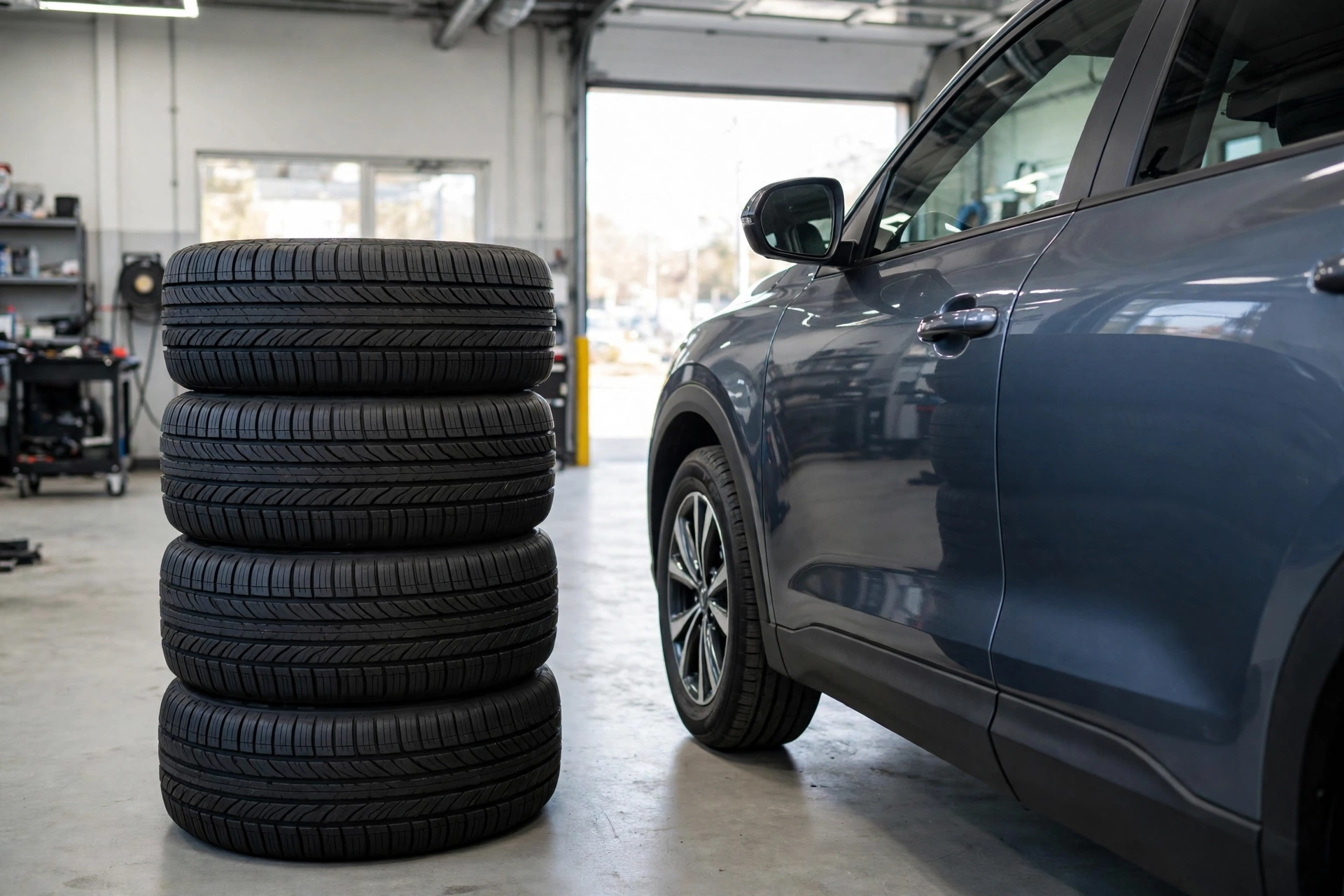
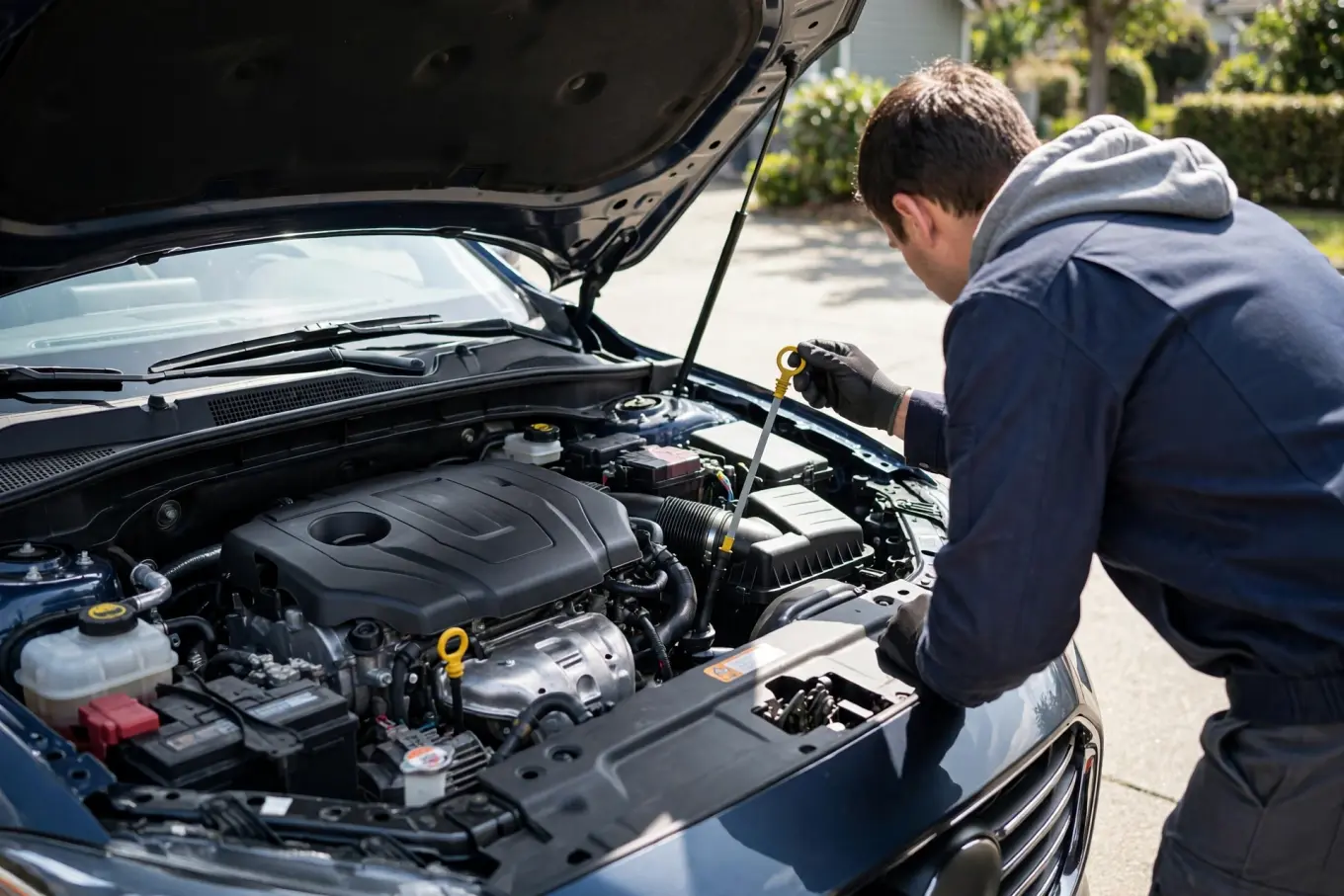
OEM vs Aftermarket Parts: What's Actually Worth the Money
Buy the dealer part when the part can strand you, confuse your car's computer, or cost more in labor than the part itself. Buy quality aftermarket when the part is simple, easy to reach, and easy to swap again if it fails early. That one rule will save you more money than any brand loyalty ever will, and it keeps you from paying dealer prices for parts that never needed to be dealer parts in the first place.
Most of the argument about OEM versus aftermarket is noise. Some aftermarket parts are built by the same suppliers that feed the assembly lines, and some dealer parts are ordinary parts in a fancier box. The trick is knowing which category your repair falls into before you hand over your card.
What OEM, Aftermarket, and OE Actually Mean
OEM stands for Original Equipment Manufacturer, and it means the part comes through the carmaker's own parts channel, in the carmaker's box, built to the carmaker's specification. OE, often used interchangeably, usually means the part was made by the original supplier, but sold under that supplier's own brand instead of the carmaker's box. Aftermarket is the big tent: everything made by a company other than the carmaker, ranging from excellent parts from known suppliers to bargain parts from brands you have never heard of.
Those labels describe the sales channel, not the quality of the part in your hand. Judge the part, the brand behind it, and the job it is going into, not just the letters on the box.
Why Cheap Parts Fail
Cheap parts rarely fail in dramatic ways. They fail in annoying, expensive ways. A low grade sensor reads slightly wrong, so the check engine light comes back and you pay for diagnosis twice. A soft brake pad wears fast and dusts heavily, so you are back in the shop sooner than you planned. A weak alternator charges just well enough to pass a quick test, then leaves you with a dead battery on a cold morning.
The pattern to watch is labor. When a part is buried deep in the engine bay, the part price is the small half of the bill and the labor is the big half. Saving on that part and then paying the labor again when it fails is the most expensive bargain in car repair.
The Parts Where OEM Is Worth It
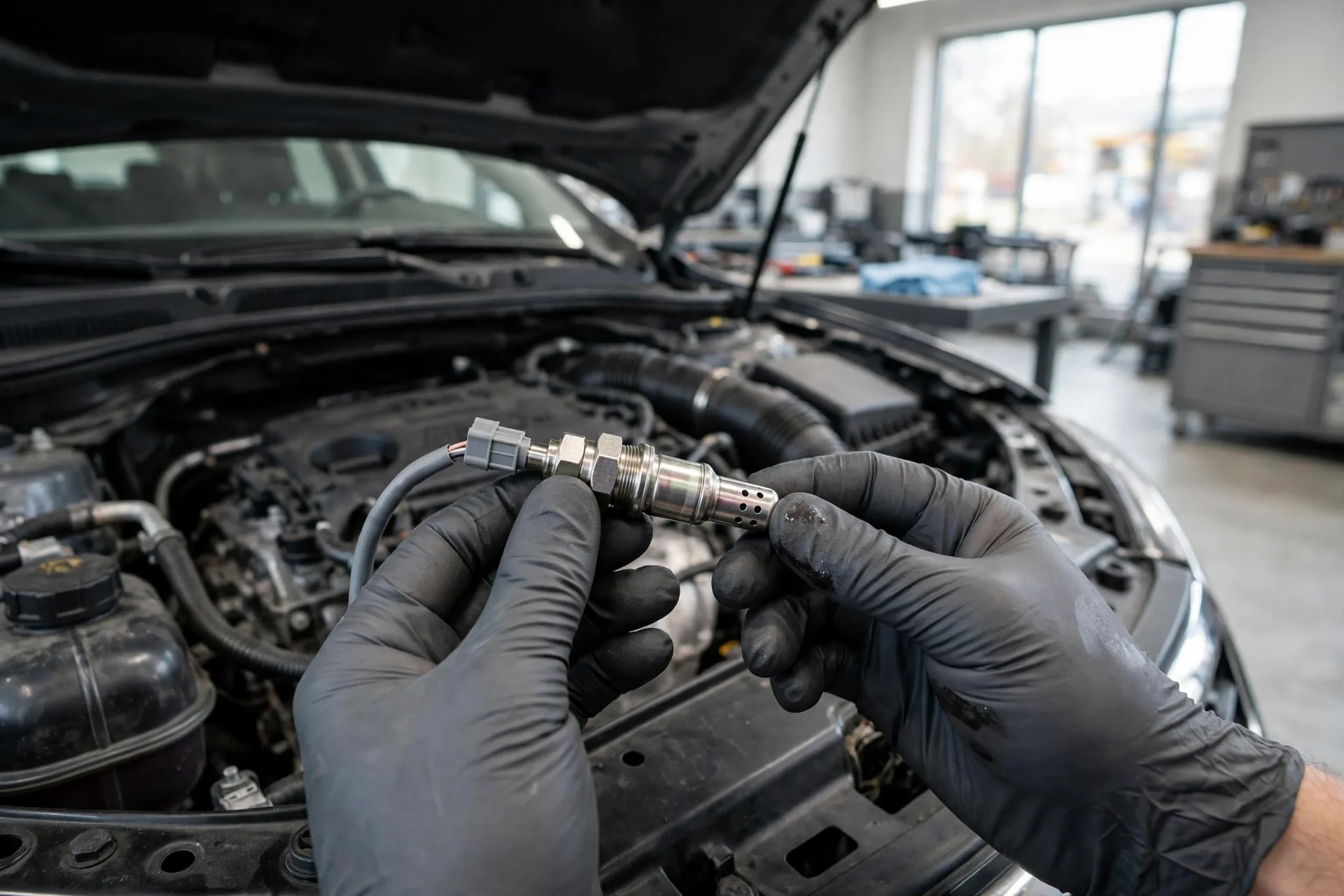
Pay the dealer price, or at least buy the OE supplier version, for parts that talk to your car's computer, parts that are hard to reach, and parts whose failure causes collateral damage. Oxygen sensors sit at the top of this list. They feed precise readings to the engine computer, and a sensor that reads slightly off can cause rough running, failed emissions tests, and repeat trips to the shop. If your car needs one, our 2012-2018 BMW 3 Series - Oxygen Sensor guide shows what the job involves, and it is a good example of a repair where part quality matters more than part price.
The same logic applies to electronics, modules, and sensors in general, and to parts buried behind the timing cover or inside the transmission.
Timing components, fuel injectors, and safety critical steering parts belong in this group too. If a failure could damage the engine or leave you without steering or brakes, that is not the place to experiment with an unknown brand.
Safe Bets: Where Aftermarket Wins
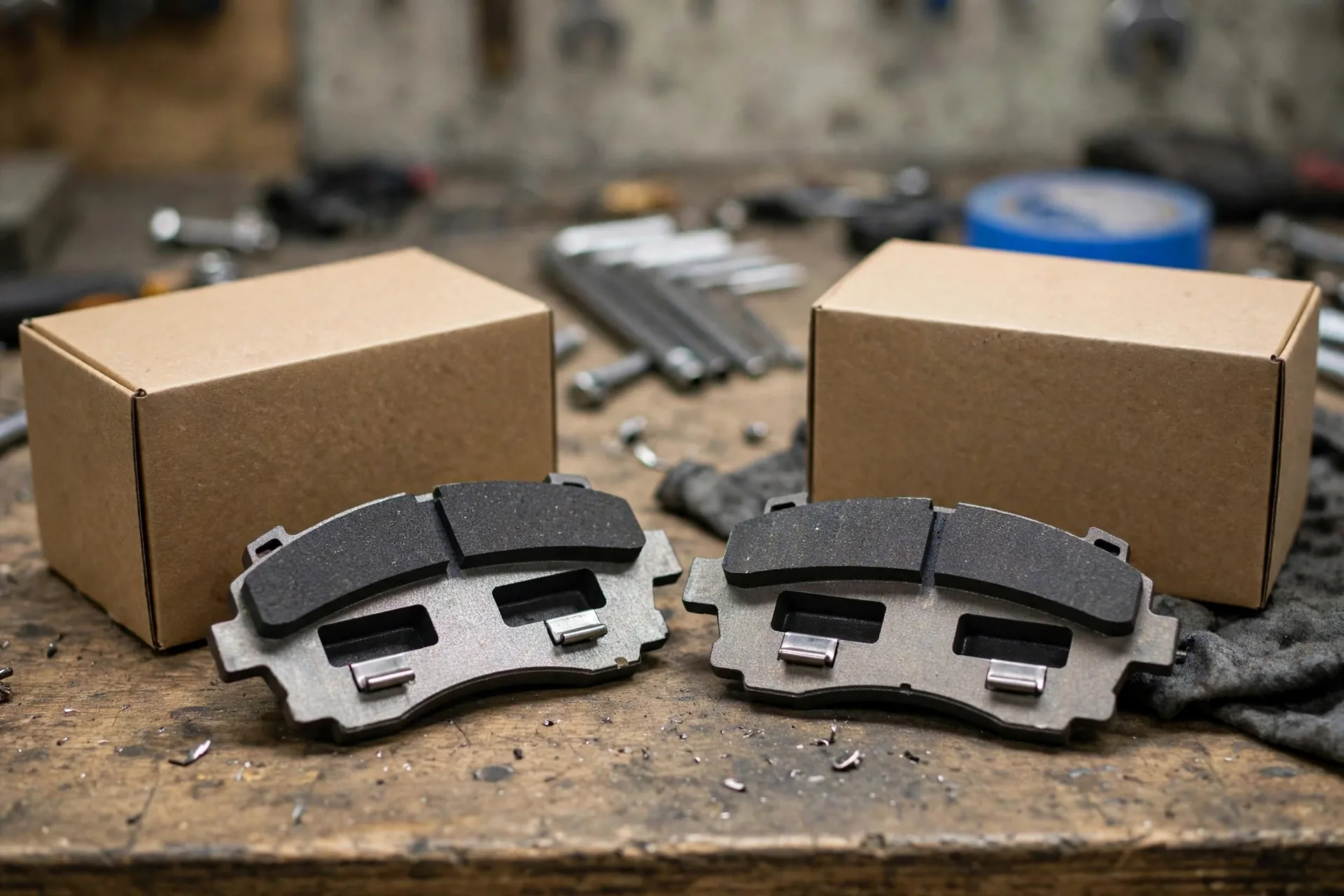
Aftermarket parts shine on simple wear items from established brands. Brake pads are the classic example. The job is straightforward, the parts are easy to inspect, and a quality aftermarket pad from a known brand stops your car just fine. See our 2013-2022 Acura ILX - Brake Pad Replacement guide for what the job looks like, and read Brake Pads: How to Know When They're Done and Why You Can't Ignore It before you decide whether yours are due.
Filters, wiper blades, belts, hoses, bulbs, and batteries are the same story. These are commodity parts where the manufacturing is well understood and a failure is obvious and cheap to fix. Cabin air filters are maybe the best example of all: the dealer version and the aftermarket version do the same job, and swapping one takes minutes.
How to Decide in Five Steps
Use this checklist every time a shop quotes you a repair, or every time you are about to order a part yourself.
- Ask how hard the part is to reach. If the labor is the big half of the bill, lean OEM or OE supplier.
- Ask whether the part talks to the computer. Sensors, modules, and emissions parts reward exact specification parts.
- Ask what happens if it fails early. A failed filter is an annoyance. A failed timing part or water pump is a second repair bill.
- Check the brand, not just the price. A known supplier with a real warranty beats an unknown brand at any price.
- Compare the whole job, not the part alone. Add labor, fluids, and gaskets to both options before you decide, and check your owner's manual for the specification your car actually calls for.
What It Costs
Think in tiers, not in sticker prices, because the same part can vary wildly by car and by region. A filter or a set of wiper blades is a cheap part, and the dealer markup on it is pure margin you do not need to pay. A brake job is a midrange job where a quality aftermarket pad keeps the total reasonable without cutting corners. A water pump, an alternator, or a timing job is a big-ticket job where labor dominates, and that is where the OEM premium often pays for itself by avoiding a repeat visit.
Dealers charge more for the same part than an independent shop or a parts store, and that gap is real. But a dealer part is not automatically a ripoff, and an aftermarket part is not automatically a deal. The honest comparison is the total job cost over the life of the repair, including the risk of doing it twice. An independent shop that installs a quality aftermarket part is often the best middle ground: lower parts markup than the dealer, professional labor, and a warranty on the work.
How to Buy Without Getting Burned

Counterfeit parts are a real problem, especially for popular sensors and branded filters sold through marketplace sellers. Buy from a dealer parts counter, a reputable parts store, or a seller you can trace, and be suspicious of any deal that looks far too good. Check that the box, the markings, and the part itself look right before installation, and keep the receipt and the box until the repair has proven itself.
Match the part to your exact car: year, model, engine, and trim can all change the part. A listing that says it fits your car is a claim, not a guarantee, and returns on electrical parts are often refused once installed. When in doubt, confirm fitment with the seller using your VIN, and check your owner's manual for the specification before you order. Never guess on fitment for safety parts, and never install an electrical part you cannot return until you are sure it is the right one.
Warranties matter more than most people think. A part with a solid warranty from a company that answers the phone is worth more than a cheaper part from a seller who disappears after the sale. Ask how long the warranty lasts and whether it covers labor if the part fails.
DIY vs Shop Verdict
Do it yourself when the job is simple, the part is easy to reach, and a mistake is cheap and obvious. Brake pads, filters, bulbs, wipers, and batteries are all strong DIY jobs with quality aftermarket parts.
Let a shop handle the job when the part is buried, when the repair needs special tools, or when the part talks to the computer and needs programming or calibration after installation. Alternators sit in the middle: the job is doable for a confident DIYer on some cars and miserable on others. Read Alternator Problems: Symptoms, Testing, and When You Actually Need a New One and our 2017-2021 Acura MDX - Alternator Replacement guide before you decide, and be honest about your tools and your patience.
FAQ
Are aftermarket parts bad for my car?
No. Aftermarket covers everything from excellent parts by major suppliers to junk from unknown brands. The brand and the warranty matter far more than the label. Stick to known brands on most wear items.
Will aftermarket parts void my warranty?
In general, using an aftermarket part does not void your whole warranty, but a failed aftermarket part is not covered by the carmaker, and damage it causes may not be covered either. Keep receipts and choose reputable brands while the car is under warranty.
Is OEM always better than aftermarket?
No. OEM is the safe default for sensors, electronics, and labor heavy jobs, but for simple wear items a quality aftermarket part is often the same quality at a lower price. Pay for OEM where failure is expensive, and save where it is not.
Should I buy the cheapest part I can find online?
Only if you know the brand and the seller. The cheapest listing is often where counterfeits and no-name parts hide, especially for sensors. A slightly higher price from a traceable seller is cheap insurance on anything that matters.
The Bottom Line
Stop asking whether OEM or aftermarket is better in general, because the question has no general answer. Ask whether this specific part, on this specific car, with this specific labor cost, is worth the premium. Buy the dealer part when failure is expensive, buy quality aftermarket when the job is simple, and never buy a part from a brand you cannot trace.
If brakes are the job on your list, start with our 2013-2022 Acura ILX - Brake Pad Replacement guide and work through the steps before you order anything.
Safety: Informational DIY. EZ Car Fix is not a shop or dealer.