Quick answer: Tire Pressure Light & Rotation on a 2015–2022 Chevrolet Colorado is rated Moderate and takes about 45-75 minutes. You'll need 7 tools for this job, and parts cost about $6. This guide walks you through the full job step by step, including the mistakes to avoid.
| Part Name |
Part Number |
Price |
Buy |
| Valve stem caps (optional) Optional |
— |
$6.00 |
|
About prices: shown prices are typical retail averages and change frequently; cheaper alternatives may be available. Confirm the current price before buying.
💡 Pro tip: Order all parts at once to save on shipping
Step-by-Step Instructions
Follow these steps carefully
1
Read door-jamb PSI and inspect tires
On the 2015-2022 Chevrolet Colorado, open the driver door and read the tire-and-loading placard for cold front/rear PSI — use only the placard value, checked cold, and note the loaded vs. unloaded rows if your truck lists them. Inspect all four tires for punctures, sidewall cuts from off-road use, and uneven wear; Colorados wear front shoulders quickly when run soft. Check the valve stems — each carries a TPMS sensor at its base — and verify the spare's pressure while you are at it (it is not part of the rotation).
2
Set cold pressures / clear TPMS if low
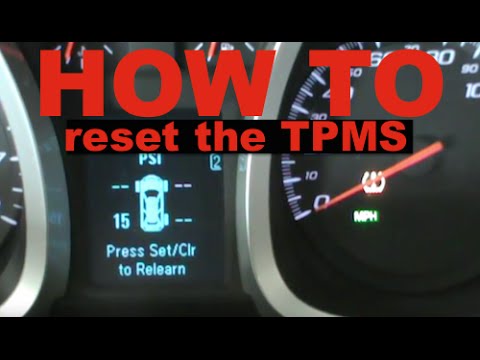
With the tires cold, set each tire to the exact placard PSI with your own gauge. Some trims can enter learn mode from the driver information center instead of the fob — check your manual.
3
Jack and stand
On level ground, set the parking brake, put the truck in Park, and chock the wheels. Jack at the factory points and support on stands rated for the truck's weight — never work under it on the jack alone.
🔧 Mechanic's note — Tom Becker
I've fixed the damage from skipping this: Jack at the factory points (frame rails fore and aft) and support on stands rated for the truck's weight — never work under it on the jack alone.
4
Rotate per the correct pattern
Confirm against the owner's-manual diagram. Directional tires stay on their side and only move front-to-back. The spare stays out of the rotation. Hand-start every lug nut to protect the stud threads, then snug them in a star pattern before lowering.
5
Lower and torque star pattern
Lower the Colorado until the tires bear weight, then torque the lug nuts in a star pattern to 140 ft-lb (190 N-m) — the GM spec for these trucks, so confirm in your owner's manual. Recheck torque after 50-100 miles. Then perform the TPMS relearn from step 2 (fob lock+unlock for the double chirp, then the tool at each wheel LF-RF-RR-LR) so pressure warnings point at the correct corner. Verify cold pressures again the next morning — a disturbed stem can leak slowly overnight.
All Done!
Test your repair before closing everything up. If something doesn't work right, double-check your steps.
⚠️ Common Mistakes to Avoid
- • Inflating to sidewall max instead of door-jamb placard PSI
- • Wrong rotation pattern for directional or staggered tires
- • Overtightening lugs with an impact only (no torque wrench)
- • Skipping jack stands