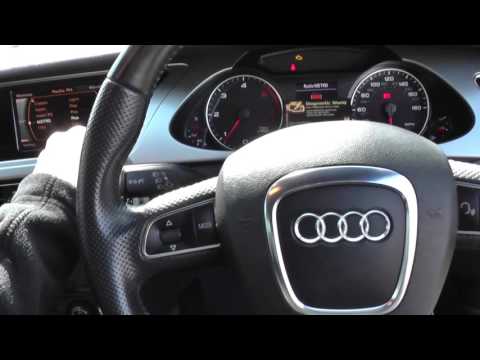
Quick answer: Check Engine Light / OBD2 Diagnosis on a 2002–2012 Jeep Liberty is rated Easy and takes about 15-30 minutes. You'll need 2 tools for this job, and parts cost about $25. This guide walks you through the full job step by step, including the mistakes to avoid.
| Part Name |
Part Number |
Price |
Buy |
| OBD2 scanner |
— |
$25.00 |
|
About prices: shown prices are typical retail averages and change frequently; cheaper alternatives may be available. Confirm the current price before buying.
💡 Pro tip: Order all parts at once to save on shipping
Step-by-Step Instructions
Follow these steps carefully
1
Confirm warning severity
Flashing = severe misfire — pull over and shut the 3.7L V6 off; it cooks the catalytic converter. Overheating with the light on is stop-driving regardless of code; the fan relay is a weak point. A steady light without overheating can be diagnosed at home.
2
Connect the OBD-II scanner
Locate the 16-pin connector under the driver-side dash, left of the steering column, ignition off. Seat the scanner plug firmly, switch to ON with the engine off, and verify communication with the powertrain module. A generic OBD-II reader suffices for engine codes.
3
Read and record codes
Scan and log every code — confirmed, pending, permanent — plus freeze-frame data. Liberty patterns: P0456/P0442 EVAP leaks, P0420/P0430 catalyst efficiency, P0300–P0306 misfires, P0340 cam-sensor faults (hot-stalling cause), P1491 fan relay, P0882 TCM power input. Freeze-frame RPM and coolant temp show when fault set.
🔧 Mechanic's note — Tom Becker
The ESIM switch on the charcoal canister is the number-one cause of P0456 on these Liberties. Before you smoke-test anything, pull the cap, inspect the seal, and drive a few normal cycles — half the ones I see clear themselves.
4
Check the likely cause
EVAP: check cap seal, filler neck, ESIM switch, canister hoses; smoke-test leaks. P0340: check cam-sensor connector and wiring for heat damage — they fail hot, work cold. Catalyst codes: compare upstream vs downstream O2 sensors. P1491: confirm the fan runs on command and with A/C.
🔧 Mechanic's note — Ray Delgado
My rule: That stall-then-restart pattern is textbook for a heat-failing cam sensor on the 3.7L. If the wiring looks cooked near the exhaust crossover, don't replace the sensor alone — repair the harness pigtail too.
5
Repair, clear, and verify
Clear codes, then drive-cycle: cold start, steady 40–55 mph cruise, tank one-quarter to three-quarters full, overnight cold soak so EVAP monitor runs. Rescan for set monitors, no returning codes. Escalate cam-sensor stalling, fan-fault overheating, flashing misfires, or EVAP leaks surviving cap, ESIM, and hose checks.
All Done!
Test your repair before closing everything up. If something doesn't work right, double-check your steps.
⚠️ Common Mistakes to Avoid
- • Replacing parts based on a code without checking wiring, connectors, or vacuum leaks
- • Clearing codes before recording confirmed, pending, and permanent codes
- • Using a scanner that cannot communicate with the vehicle protocol
- • Treating a stored code as proof that the named sensor itself failed