Quick answer: Check Engine Light / OBD2 Diagnosis on a 2024–2026 Mazda CX-90 is rated Easy and takes about 15-30 minutes. You'll need 2 tools for this job, and parts cost about $25. This guide walks you through the full job step by step, including the mistakes to avoid.
| Part Name |
Part Number |
Price |
Buy |
| OBD2 scanner |
— |
$25.00 |
|
About prices: shown prices are typical retail averages and change frequently; cheaper alternatives may be available. Confirm the current price before buying.
💡 Pro tip: Order all parts at once to save on shipping
Step-by-Step Instructions
Follow these steps carefully
1
Note when the light appeared — software faults are common
Flashing light means active misfire — stop and shut the engine off. A steady light is a planned-scan fault: Mazda has issued CX-90 TSBs, several fixed by a dealer software reflash. Note when it appeared — idle, startup, or driving — and record your VIN.
2
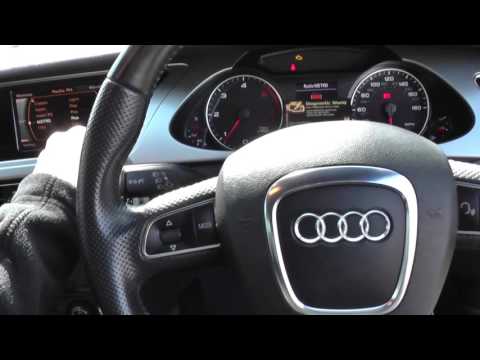
Connect under the driver-side dash
The 16-pin connector is under the driver-side dash near the steering column. Ignition off, plug the scanner in fully; if it won't link, check the accessory fuse. Use a scanner that shows Mazda-specific sub-codes — P0300:00, P0AB9:00, P0531:00 carry suffixes a basic reader may mislabel.
3
Record exact codes with suffixes and freeze-frame
Key ON, engine off: record stored, pending, and permanent codes with full suffixes, plus freeze-frame data. Known CX-90 faults: P0300:00 misfire at idle (TSB 01-002-24), P0AB9:00 PCM start-signal (SA-076-23), PHEV EVAP P0451/P2422/P2451/P0441 (shutter valve, FTP hose), P0531:00 refrigerant-pressure sensor. Match these before touching hardware.
4
Match codes to TSBs before touching hardware
TSB-matching code: dealer PCM reprogram — no DIY part fixes it, likely under warranty. PHEV EVAP repair: dealer-only on a pressurized fuel system. Generic fault outside the TSBs: check gas cap, air filter, intake hoses, 12V battery — low voltage spawns phantom codes.
🔧 Mechanic's note — Ray Delgado
My two cents on this step: When you look up the TSB, enter your full VIN — Mazda's TSBs on this platform apply to specific build dates, and the code alone won't tell you if your car is covered.
5
Clear, drive a full cycle, rescan
After the reflash or your repair, clear codes and run a drive cycle, then rescan — monitors should read complete. A code returning after a reflash goes back to the dealer with freeze-frame data. Don't keep clearing; persistence after the prescribed fix is new information.
All Done!
Test your repair before closing everything up. If something doesn't work right, double-check your steps.
⚠️ Common Mistakes to Avoid
- • Replacing parts based on a code without checking wiring, connectors, or vacuum leaks
- • Clearing codes before recording confirmed, pending, and permanent codes
- • Using a scanner that cannot communicate with the vehicle protocol
- • Treating a stored code as proof that the named sensor itself failed