← Back to Nissan Cube Guides

2009–2014 Nissan Cube

2009-2014 Nissan Cube — Tire Pressure / Rotation / TPMS

🔧 Easy 30-60 minutes $140 DIY

Save $120 by doing it yourself! Shop cost: $260

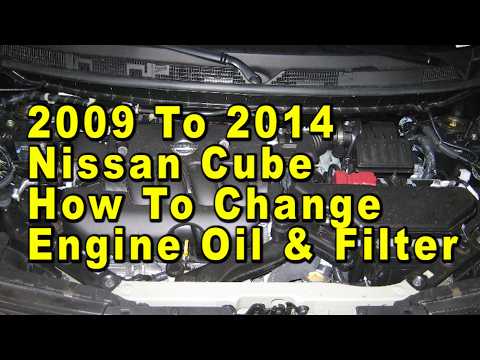
Quick Video Tutorial

Parts You Need

Click links to purchase (we earn from qualifying purchases)

Total Cost
$140.00
Part Name Part Number Price Buy
Vehicle-specific tire or TPMS service part — $140.00

About prices: shown prices are estimates from typical Amazon listings and change frequently, and cheaper alternatives may be available. Confirm the current price on Amazon before buying.

💡 Pro tip: Order all parts at once to save on shipping

Step-by-Step Instructions

Follow these steps carefully

1

Read the vehicle placard

Park the 2009-2014 Nissan Cube on level ground and find the manufacturer pressure label, usually on the driver-door jamb. Record whether the vehicle has a spare, directional tires, or a staggered setup.

2

Inspect every tire

Inspect the 2009-2014 Nissan Cube tires for nails, cuts, sidewall damage, bulges, uneven wear, and tread depth. Check the valve stems and look for evidence of a slow leak before rotating anything.

3

Set cold pressure

When the tires are cold, measure all four positions and the spare if applicable. Inflate or release air to the 2009-2014 Nissan Cube placard specification and reinstall valve caps.

4

Rotate or service safely

If the 2009-2014 Nissan Cube tire pattern permits rotation, lift one corner at a time with approved stands, follow the correct pattern, and tighten wheel nuts by the vehicle specification. Do not rotate directional or staggered tires incorrectly.

5

Reset and verify TPMS

After tire service on the 2009-2014 Nissan Cube, drive only after confirming the wheels are secure. Perform the vehicle-specific TPMS relearn or reset procedure and verify that the warning remains off.

All Done!

Test your repair before closing everything up. If something doesn't work right, double-check your steps.

⚠️ Common Mistakes to Avoid

  • • Setting pressure from the tire sidewall maximum instead of the vehicle placard
  • • Rotating tires without checking directional, staggered, or front/rear limitations
  • • Ignoring uneven wear, a bent wheel, or a slow leak
  • • Failing to torque wheel nuts in a star pattern and recheck after service