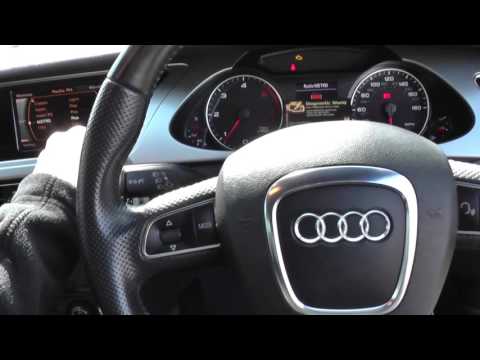
Quick answer: Check Engine Light / OBD2 Diagnosis on a 2018–2022 Toyota C-HR is rated Easy and takes about 15-30 minutes. You'll need 2 tools for this job, and parts cost about $25. This guide walks you through the full job step by step, including the mistakes to avoid.
| Part Name |
Part Number |
Price |
Buy |
| OBD2 scanner |
— |
$25.00 |
|
About prices: shown prices are typical retail averages and change frequently; cheaper alternatives may be available. Confirm the current price before buying.
💡 Pro tip: Order all parts at once to save on shipping
Step-by-Step Instructions
Follow these steps carefully
1
Confirm warning severity
Check whether the light is steady or flashing. Flashing means a severe misfire that can overheat the catalytic converter — pull over and shut the 2.0L engine off. Companion VSC and traction control warnings are usually side effects that clear once the fault is fixed.
2
Connect the OBD-II scanner
With the ignition off, find the 16-pin connector under the dash, left of the steering column. Plug it in, switch the ignition to ON with the engine off, and confirm it links to the engine control module — a loose connection mimics a dead tool.
3
Read and record codes
Scan and log every confirmed, pending, and permanent code plus freeze-frame data before changing anything. Typical C-HR patterns: P0456 EVAP leak, P2195/P2196 air-fuel sensor lean/rich, P0138 downstream oxygen sensor high voltage, P0420 catalyst efficiency, and P0171 lean.
🔧 Mechanic's note — Tom Becker
Check for open recalls before you spend a dime on parts — I've seen C-HRs come in with stalling that was covered by the fuel pump recall, and a free dealer fix beats a parts bill every time.
4
Check the likely cause
For P2195 or P0171, upstream air-fuel voltage should hover near 3.3 volts; a sensor stuck lean while fuel trims climb means a failing sensor or an exhaust leak ahead. For P0456, inspect the fuel cap seal, reinstall until it clicks, and check EVAP hoses.
🔧 Mechanic's note — Ray Delgado
For a P0420, I graph both oxygen sensors on the scanner. A lazy, steady downstream signal against an active upstream one tells me the converter isn't doing its job — that's the pattern I look for before condemning the cat.
5
Repair, clear, and verify
Once the true cause is fixed, clear the codes and run a Toyota drive cycle: warm idle for a few minutes, steady cruising at 40 to 55 mph for several minutes, and gentle deceleration, with the tank between one-quarter and three-quarters full and an overnight cold soak so the EVAP monitor runs. Rescan and confirm all monitors complete with no returning codes. See a professional for a flashing-light misfire, stalling or hard starting that suggests the fuel pump recall, or any sensor code that returns immediately after replacement.
🔧 Mechanic's note — Tom Becker
If a sensor code comes right back after a replacement, check the wiring harness and connectors before buying another sensor — I've seen bad connectors cause more comebacks than bad new parts.
All Done!
Test your repair before closing everything up. If something doesn't work right, double-check your steps.
⚠️ Common Mistakes to Avoid
- • Replacing a part solely because its name appears in a code
- • Clearing confirmed, pending, or permanent codes before recording them
- • Skipping connector, fuse, intake, vacuum, and fuel-cap checks
- • Driving with a flashing warning lamp or severe misfire