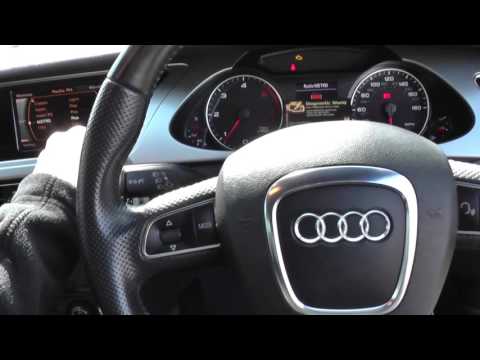
Quick answer: Check Engine Light / OBD2 Diagnosis on a 2011–2022 Hyundai Accent is rated Easy and takes about 15-30 minutes. You'll need 2 tools for this job, and parts cost about $25. This guide walks you through the full job step by step, including the mistakes to avoid.
| Part Name |
Part Number |
Price |
Buy |
| OBD2 scanner |
— |
$25.00 |
|
About prices: shown prices are typical retail averages and change frequently; cheaper alternatives may be available. Confirm the current price before buying.
💡 Pro tip: Order all parts at once to save on shipping
Step-by-Step Instructions
Follow these steps carefully
1
Confirm warning severity
Check whether the light is steady or flashing. Flashing signals a severe misfire that can overheat the catalytic converter — stop and shut the engine. A steady light is an emissions seal or sensor issue; hold off on hard acceleration until the code is known.
2
Connect the OBD-II scanner
With ignition off, find the 16-pin connector under driver's-side dash, just left of the steering column. Seat the scanner plug, switch ignition to ON with the engine off, and confirm the tool talks to engine control module. A basic OBD-II reader pulls these codes.
🔧 Mechanic's note — Tom Becker
Buy the $20 Bluetooth dongle and leave it in the glove box — I've watched many Accent owners drive around for weeks with a light on because they couldn't get to a parts store for a scan. Knowing the code on the spot changes everything.
3
Read and record codes
Scan and record every confirmed, pending, and permanent code plus freeze-frame data before changing anything. Common codes: P0456 EVAP small leak (fuel cap seal or purge valve), P0300–P0304 misfires, P0420 catalyst efficiency, P0171 lean, P0014 exhaust cam timing (oil-level sensitive), P2196 O2 rich bias.
4
Check the likely cause
Cam timing: check oil level and condition first — oil-driven VVT fails often on low or overdue oil. Misfire: inspect flagged plug and coil. P0456: reseat fuel cap until it clicks; test purge valve sealing. P0420: compare lazy downstream O2 signal to upstream sensor.
🔧 Mechanic's note — Ray Delgado
I've seen this pattern on the 1.6L more than I can count: P0014 shows up right after an oil change goes overdue, and fresh oil makes it vanish. Check the dipstick before touching a sensor — the VVT system runs on oil pressure, not magic.
5
Repair, clear, and verify
Clear codes, then drive cycle: cold start, brief idle, 40–55 mph cruise, deceleration, tank one-quarter to three-quarters full, overnight cold soak for the EVAP monitor. Rescan for set monitors and no returning codes. See a pro for flashing misfires or chain rattle on cold start.
🔧 Mechanic's note — Tom Becker
Nine times out of ten on Accents, a P0456 is just a tired fuel cap seal — I've lost count of how many 'emissions failures' I've cleared by reseating the cap and clearing the code. Always try that before you spend a dollar on parts.
All Done!
Test your repair before closing everything up. If something doesn't work right, double-check your steps.
⚠️ Common Mistakes to Avoid
- • Replacing parts based on a code without checking wiring, connectors, or vacuum leaks
- • Clearing codes before recording confirmed, pending, and permanent codes
- • Using a scanner that cannot communicate with the vehicle protocol
- • Treating a stored code as proof that the named sensor itself failed