Quick answer: Check Engine Light / OBD2 Diagnosis on a 2015–2023 Jeep Renegade is rated Easy and takes about 15-30 minutes. You'll need 2 tools for this job, and parts cost about $25. This guide walks you through the full job step by step, including the mistakes to avoid.
| Part Name |
Part Number |
Price |
Buy |
| OBD2 scanner |
— |
$25.00 |
|
About prices: shown prices are typical retail averages and change frequently; cheaper alternatives may be available. Confirm the current price before buying.
💡 Pro tip: Order all parts at once to save on shipping
Step-by-Step Instructions
Follow these steps carefully
1
Confirm warning severity
A flashing light means a misfire that damages the catalytic converter — pull over and shut off. On the 2.4L, check the dipstick: oil consumption means low oil is behind many warning lights. A steady light is usually an emissions or sensor fault.
2
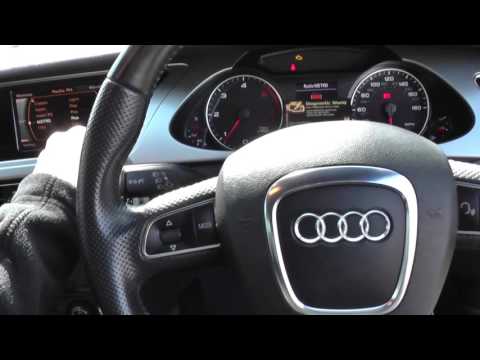
Connect the OBD-II scanner
With the ignition off, plug the scanner into the 16-pin connector under the driver's-side dash. Turn the ignition to ON with the engine off and confirm it talks to the powertrain module. A generic OBD-II reader covers codes on the 2.4L and 1.4L turbo.
3
Read and record codes
Log every code plus freeze-frame data before clearing anything. Common patterns: P0456/P0455 EVAP leaks (ESIM switch), P0300–P0304 misfires, P0420, P0128, P1067 and MultiAir codes on the 1.4L (oil level and viscosity first), and P0335. Freeze-frame RPM, coolant temperature, and load show when each fault set.
🔧 Mechanic's note — Tom Becker
On the 1.4L turbo, MultiAir codes almost always come back to oil. I've seen people replace the actuator first when all it needed was a top-off to the full mark with the right viscosity — always start with the dipstick.
4
Check the likely cause
For EVAP: fuel cap seal, filler neck, ESIM switch, canister hoses; smoke-test stubborn ones. For MultiAir on the 1.4L: oil level and viscosity first (hydraulically actuated); actuator replacement is shop work. For P0128: coolant PID plateauing below operating temperature. For misfires: flagged plug and coil.
5
Repair, clear, and verify
Clear codes and run the Chrysler/Jeep drive cycle: cold start, brief idle, 40-55 mph cruise, tank 1/4-3/4 full, overnight cold soak. Rescan to confirm the monitors set. See a professional for actuator faults, flashing misfires, oil consumption with recurring codes, or stubborn EVAP leaks.
🔧 Mechanic's note — Ray Delgado
My shop rule on these: After an EVAP fix on the Renegade, don't rush the verdict. The EVAP monitor needs that overnight cold soak plus the right fuel level, so give it two or three full drive cycles before declaring it fixed.
All Done!
Test your repair before closing everything up. If something doesn't work right, double-check your steps.
⚠️ Common Mistakes to Avoid
- • Replacing parts based on a code without checking wiring, connectors, or vacuum leaks
- • Clearing codes before recording confirmed, pending, and permanent codes
- • Using a scanner that cannot communicate with the vehicle protocol
- • Treating a stored code as proof that the named sensor itself failed