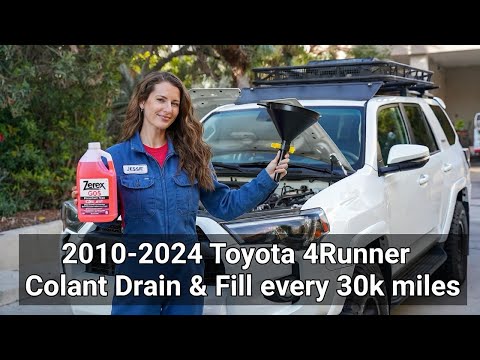
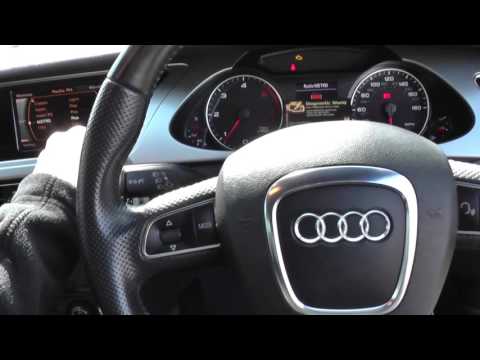
Quick answer: Check Engine Light / OBD2 Diagnosis on a 2010–2024 Toyota 4Runner is rated Easy and takes about 15-30 minutes. You'll need 2 tools for this job, and parts cost about $25. This guide walks you through the full job step by step, including the mistakes to avoid.
| Part Name |
Part Number |
Price |
Buy |
| OBD2 scanner |
— |
$25.00 |
|
About prices: shown prices are typical retail averages and change frequently; cheaper alternatives may be available. Confirm the current price before buying.
💡 Pro tip: Order all parts at once to save on shipping
Step-by-Step Instructions
Follow these steps carefully
1
Read the lamp and the traction warnings
Steady lamp = stored fault, diagnose soon; flashing = active misfire — ease off, pull over, protect the converters. VSC, traction, or downhill-assist warnings joining in are normal on Toyotas; they clear once the fault is fixed.
2
Plug the scanner into the diagnostic port
Ignition off: find the 16-pin OBD-II port under the driver's dash, left of the steering column. Seat the scanner plug straight in, ignition to ON (don't start), confirm link and live data. Won't connect? Try another adapter and check the accessory-power fuse feeding the port.
3
Scan codes, freeze-frame, and O2 waveforms
The 4.0L is known for P0420/P0430 catalyst codes, P0456 small EVAP leaks, P0141/P0161 O2 heater faults, P0012 VVT. Add O2 waveforms: downstream should hold steady while upstream switches. Don't clear codes yet.
🔧 Mechanic's note — Tom Becker
I screenshot the freeze-frame before I clear anything — once the codes are gone, I lose the RPM, load, and temperature snapshot of when the fault actually happened.
4
Work the 4Runner's known code patterns
Fix misfires before condemning a converter. P0456: tighten the gas cap till it clicks, use an OE-spec cap, inspect canister hoses. VVT codes: check oil level and condition — the actuators are oil-driven.
5
Clear codes and run a Toyota drive cycle
After the verified repair, clear codes. Toyota drive cycle: cold start, 2–3 minutes idle, steady 40–55 mph cruise for several minutes, gentle coast-down without braking, then mixed driving over 50–100 miles so catalyst, EVAP, and O2 monitors complete. Rescan: no codes, monitors complete.
All Done!
Test your repair before closing everything up. If something doesn't work right, double-check your steps.
⚠️ Common Mistakes to Avoid
- • Replacing parts based on a code without checking wiring, connectors, or vacuum leaks
- • Clearing codes before recording confirmed, pending, and permanent codes
- • Using a scanner that cannot communicate with the vehicle protocol
- • Treating a stored code as proof that the named sensor itself failed