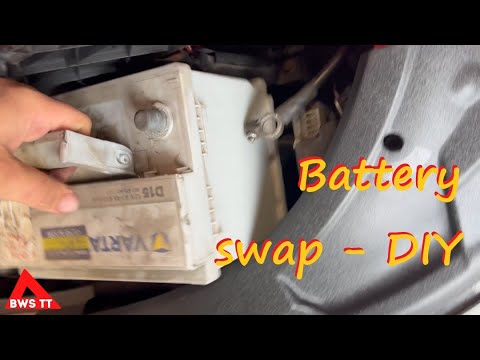
Quick answer: 12V Battery Replacement on a 2012–2020 Chevrolet Sonic is rated Easy and takes about 30-90 minutes. You'll need 2 tools for this job, and parts cost about $180. This guide walks you through the full job step by step, including the mistakes to avoid.
| Part Name |
Part Number |
Price |
Buy |
| Replacement 12-volt battery for 2012-2020 Chevrolet Sonic; verify group size, CCA, terminal layout, and VIN fitment |
— |
$180.00 |
|
| Anti-corrosion terminal protectant or felt washers (optional) Optional |
— |
$8.00 |
|
About prices: shown prices are typical retail averages and change frequently; cheaper alternatives may be available. Confirm the current price before buying.
💡 Pro tip: Order all parts at once to save on shipping
Step-by-Step Instructions
Follow these steps carefully
1
Verify battery fitment and charging symptoms
Before spending money, confirm the battery is really the problem: slow cranking, dim headlights, a battery or charging-system warning light, corrosion on the terminals, or a swollen or leaking case.
🔧 Mechanic's note — Tom Becker
I verify the replacement has the same CCA rating. Undersized batteries fail early in cold weather. I check the battery age before testing. A 5-year-old battery is suspect regardless of test results.
2
Make the vehicle safe
Take the key or fob well away from the car so the modules can go to sleep. Unclip and lift off the plastic battery cover on the driver side of the engine bay first.
3
Disconnect the old battery
Remove the hold-down hardware, then disconnect the NEGATIVE cable first and tuck it aside where it can't touch metal or the positive post. Then remove the POSITIVE cable. Snap a photo of the cable routing and hold-down before you lift the battery out.
4
Seat the battery and secure the hold-down
Lower the new Group 47 (H5) battery into place in the engine bay on the driver side, under a plastic protective cover, seat it flat, and secure the hold-down firmly without crushing the case.
5
Reset and verify operation
Reinstall everything you removed — the plastic battery cover and hold-down bracket. With the engine running, charging voltage at the terminals should read roughly 13.5 to 14.8 volts. If the battery gets hot, leaks, smells of sulfur, or won't stay clamped, stop and have the charging system inspected.
All Done!
Test your repair before closing everything up. If something doesn't work right, double-check your steps.
⚠️ Common Mistakes to Avoid
- • Buying by appearance instead of group size, CCA, polarity, and hold-down fit
- • Shorting the positive terminal to the body with a metal tool
- • Lifting the battery by damaged terminals or leaving it unsecured
- • Skipping battery registration, window/clock resets, or charging-system checks when required
- • Assuming a new battery fixes a parasitic draw or charging fault