Quick answer: Engine Air Filter Replacement on a 2008–2012 Ford Escape is rated Easy and takes about 10–20 minutes. Parts cost about $18. This guide walks you through the full job step by step, including the mistakes to avoid.
| Part Name |
Part Number |
Price |
Buy |
| Engine air filter (correct part for 2008–2012 Escape) |
— |
$18.00 |
|
About prices: shown prices are typical retail averages and change frequently; cheaper alternatives may be available. Confirm the current price before buying.
💡 Pro tip: Order all parts at once to save on shipping
Step-by-Step Instructions
Follow these steps carefully
1
Park and open the hood
Park the Escape on a level surface, shift into Park, and turn the engine off. Release the hood latch and prop the hood open securely. A cool engine bay is safer and more comfortable to work in.
Video at 0:00
2
Locate the air filter housing
Find the black plastic air filter housing on the driver's side of the engine bay, positioned behind the battery. Confirm you are looking at the engine air intake housing, not the battery cover.
🔧 Mechanic's note — Tom Becker
I confirm it's the intake housing, not the battery cover — behind the battery they look similar, and I've opened the wrong one before.
Video at 0:40
3
Release the housing fasteners
Disengage the two fasteners on top of the air filter housing by flipping them upward with your fingers. The fasteners are spring clips that release the inner half of the housing.
🔧 Mechanic's note — Ray Delgado
I flip the spring clips upward with my fingers — I've forced one the wrong way before, and the clip never held tension again.
Video at 1:18
4
Open the housing and remove the old filter
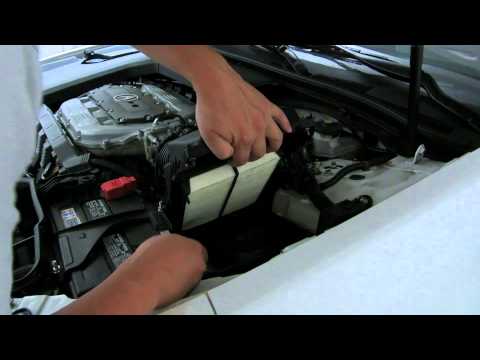
Lift the old filter straight out, noting how it sits so the new one goes in the same way. Inspect the old filter; heavy dirt and debris confirm it was due for replacement.
Video at 1:30
5
Clean the housing interior
Look inside the empty housing for leaves, dirt, and debris that bypassed the old filter. Wipe or vacuum the interior clean so contaminants do not reach the new filter.
Video at 1:45
6
Install the new air filter
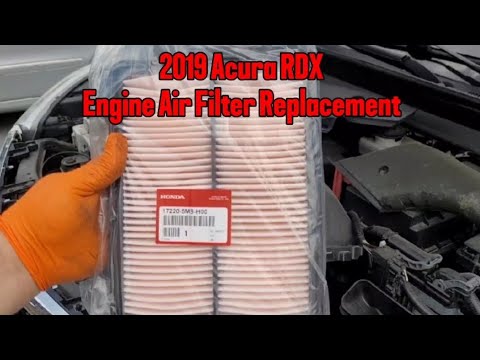
Place the new engine air filter into the housing, making sure its edges seat fully along the housing's sealing rim. Press gently to confirm it is fully seated before closing the housing.
🔧 Mechanic's note — Tom Becker
I press gently to confirm it's fully seated on the sealing rim — I've had an unseated filter whistle, and the reseat took longer than the install.
Video at 2:00
7
Close the housing and secure the fasteners
Swing the inner half of the housing back into place, aligning the tabs at the bottom with their slots so the two halves meet flush. Flip both top fasteners back down until they clip securely.
Video at 2:15
8
Close the hood and verify
Close the hood firmly until the latch engages. Start the engine and listen for any unusual whistling that would indicate an air leak at the housing. A properly seated filter restores normal intake sound and engine breathing.
Video at 2:30
All Done!
Test your repair before closing everything up. If something doesn't work right, double-check your steps.
⚠️ Common Mistakes to Avoid
- • Installing the filter upside down or backwards so it does not seal.
- • Forgetting to clean debris from the housing, which shortens the new filter's life.
- • Failing to latch both fasteners, allowing unfiltered air into the engine.
- • Confusing the engine air filter with the cabin air filter, which is a different part in a different location.