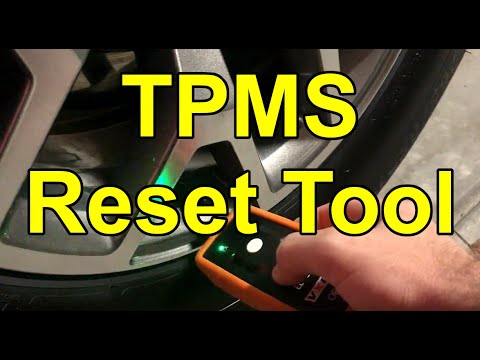
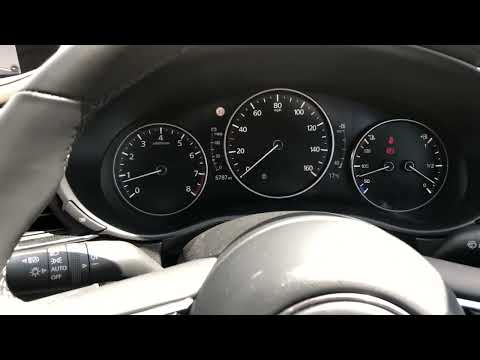
Quick answer: Tire Pressure Light & Rotation on a 2015–2020 Chevrolet Suburban is rated Moderate and takes about 45-75 minutes. You'll need 8 tools for this job, and parts cost about $6. This guide walks you through the full job step by step, including the mistakes to avoid.
| Part Name |
Part Number |
Price |
Buy |
| Valve stem caps (optional) Optional |
— |
$6.00 |
|
About prices: shown prices are typical retail averages and change frequently; cheaper alternatives may be available. Confirm the current price before buying.
💡 Pro tip: Order all parts at once to save on shipping
Step-by-Step Instructions
Follow these steps carefully
1
Read door-jamb PSI and inspect tires
On the 2015-2020 Chevrolet Suburban, open the driver door and read the tire-and-loading placard for cold front/rear PSI — the placard lists values for normal and maximum loads, so use the row matching how you drive, and never substitute a remembered number. Check pressures cold. Inspect all four tires for nails, sidewall damage, and uneven wear; a Suburban's weight punishes underinflation with rapid shoulder wear. Check the full-size spare under the rear as well — it is not part of the rotation, but its pressure should be verified while you are under there.
🔧 Mechanic's note — Ray Delgado
Here's what I do: On the 2015-2020 Chevrolet Suburban, open the driver door and read the tire-and-loading placard for cold front/rear PSI
2
Set cold pressures / clear TPMS if low
With the tires cold, set each tire to the exact placard PSI with your own gauge. Some trims can enter learn mode from the driver information center instead of the fob — check your manual.
3
Jack and stand
On level ground, set the parking brake and chock the wheels. Jack at the factory lift points and support this heavy SUV on stands rated for its weight; never rely on the jack alone.
🔧 Mechanic's note — Ray Delgado
Jack at the factory lift points (frame rails or the points in the owner's manual) and support this heavy SUV on stands rated for its weight; never rely on the jack alone. I've seen what happens when people ignore that.
4
Rotate per the correct pattern
Confirm against the owner's-manual diagram. Directional tires stay on their original side and only swap front-to-back. Hand-start every lug nut to avoid cross-threading the 14mm studs, then snug in a star pattern while the wheel is in the air.
🔧 Mechanic's note — Ray Delgado
I've fixed the damage from skipping this: Hand-start every lug nut to avoid cross-threading the 14mm studs, then snug in a star pattern while the wheel is in the air.
5
Lower and torque star pattern
Lower the Suburban until the tires bear weight, then torque the lug nuts in a star pattern to 140 ft-lb (190 N-m) — the GM truck spec, confirmed in the owner's manual. Recheck torque after 50-100 miles. Then do the TPMS relearn from step 2: ignition ON, hold the fob's lock+unlock until the double horn chirp, then trigger each sensor in LF-RF-RR-LR order with the relearn tool. Without this, the system still works but reports pressures against the wrong corners. Recheck cold pressures the next morning.
All Done!
Test your repair before closing everything up. If something doesn't work right, double-check your steps.
⚠️ Common Mistakes to Avoid
- • Inflating to sidewall max instead of door-jamb placard PSI
- • Wrong rotation pattern for directional or staggered tires
- • Overtightening lugs with an impact only (no torque wrench)
- • Skipping jack stands