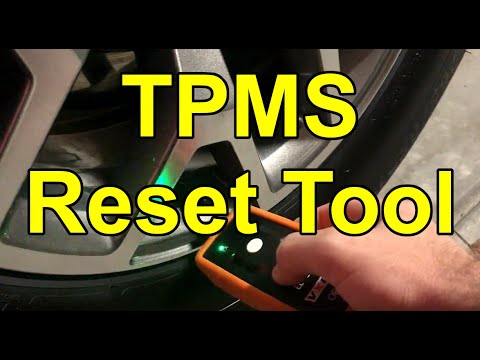
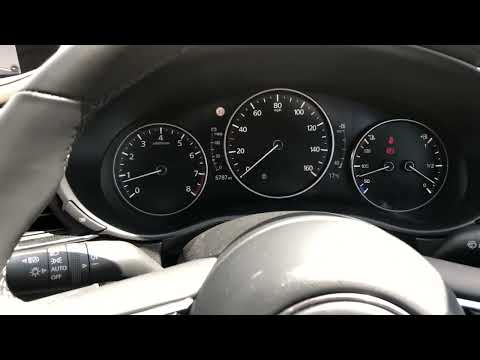
Quick answer: Tire Pressure Light & Rotation on a 2016–2021 Honda Civic is rated Moderate and takes about 45-75 minutes. You'll need 7 tools for this job, and parts cost about $6. This guide walks you through the full job step by step, including the mistakes to avoid.
| Part Name |
Part Number |
Price |
Buy |
| Valve stem caps (optional) Optional |
— |
$6.00 |
|
About prices: shown prices are typical retail averages and change frequently; cheaper alternatives may be available. Confirm the current price before buying.
💡 Pro tip: Order all parts at once to save on shipping
Step-by-Step Instructions
Follow these steps carefully
1
Read door-jamb PSI and inspect tires
Inspect all four tires for nails, sidewall damage, and uneven wear; Civics wear front shoulders fast when run soft. Note whether your tires are directional before planning the rotation.
🔧 Mechanic's note — Tom Becker
I made this mistake once: Inspect all four tires for nails, sidewall damage, and uneven wear; Civics wear front shoulders fast when run soft. Important: the 2016-2021 Civic uses an indirect TPMS (no sensors in the wheels
2
Set cold pressures / clear TPMS if low
With the tires cold, set each tire to the exact placard PSI with your own gauge. Then calibrate the indirect system so it learns the new baseline: from the Home screen select Settings > Vehicle > TPMS Calibration > Calibrate.
3
Jack and stand
On level ground, set the parking brake and chock the wheels. Jack at the factory pinch-weld points and support on jack stands — never rely on the jack alone.
🔧 Mechanic's note — Tom Becker
Jack at the factory pinch-weld points and support on jack stands — never rely on the jack alone. I've seen what happens when people ignore that.
4
Rotate per the correct pattern
Directional tires stay on their original side and only swap front-to-back. The compact spare is never part of the rotation. Hand-start every lug nut to protect the stud threads, then snug them in a star pattern while the wheel is airborne.
🔧 Mechanic's note — Tom Becker
I keep a mental note on this one: The compact spare is never part of the rotation. It's the difference between a quick job and a comeback.
5
Lower and torque star pattern
Lower the Civic until the tires bear weight, then torque the lug nuts in a star pattern to the owner's-manual spec — Honda specifies about 80 ft-lb (108 N-m) for these wheels, so confirm for your exact wheels. Recheck torque after 50-100 miles. Then run the TPMS calibration from step 2 (Settings > Vehicle > TPMS Calibration > Calibrate) with correct pressures — this is mandatory after a rotation on the indirect system. Recheck cold pressures the next morning with your own gauge.
All Done!
Test your repair before closing everything up. If something doesn't work right, double-check your steps.
⚠️ Common Mistakes to Avoid
- • Inflating to sidewall max instead of door-jamb placard PSI
- • Wrong rotation pattern for directional or staggered tires
- • Overtightening lugs with an impact only (no torque wrench)
- • Skipping jack stands