Quick answer: Check Engine Light on a 2018–2022 Honda Accord is rated Easy and takes about 15–30 minutes. You'll need 3 tools for this job. This guide walks you through the full job step by step, including the mistakes to avoid.
Step-by-Step Instructions
Follow these steps carefully
1
Find the OBD2 port above the pedals
On the 2018–2022 Accord, the 16-pin OBD2 port is under the driver-side dash, above the pedals near the hood-release lever. Look up from the footwell with a flashlight — the trapezoid connector faces downward, fully exposed with no trim cover.
2
Connect the scanner and power the ignition
Push the scanner plug firmly in until fully seated. Then ignition ON without starting — two presses of the start button with your foot off the brake. Reseat the plug, check the connector for debris, and confirm the ignition is genuinely on.
3
Pull codes, pending codes, and freeze-frame
Navigate to “Read Codes” and record each code exactly — note stored vs pending: stored means confirmed, pending means detected once and awaiting a repeat. Then examine the freeze frame — RPM, coolant temp, speed, fuel trims from the instant the fault set.
🔧 Mechanic's note — Ray Delgado
Stored vs pending is the difference between a real problem and a one-time hiccup. A pending code with no symptoms gets a watch-and-wait from me — clear it, drive, and see if it earns its place.
4
Translate the generic code families
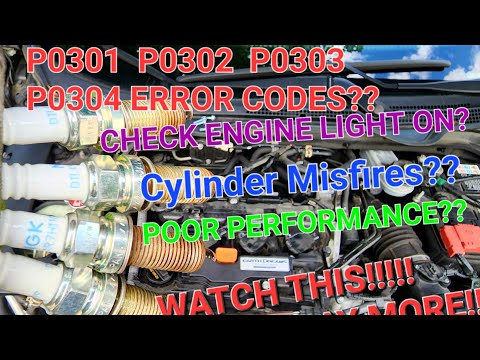
Generic P0xxx codes are identical across all brands. P0300-series codes are misfires — on the 1.5T and 2.0T, start with spark plug condition and coil packs. P0420-family codes relate to catalytic converter efficiency. P0171 means a lean condition, which may come from intake leaks or a degraded upstream oxygen sensor. P04xx codes cover the EVAP system, and the fuel cap remains the first, cheapest suspect. One Honda-specific habit worth building: check the engine oil level during any CEL diagnosis, since Honda's variable valve timing system is oil-pressure sensitive.
🔧 Mechanic's note — Ray Delgado
In my experience, That oil-level habit is pure Honda wisdom — VTEC runs on oil pressure, and low oil sets codes that look like everything except low oil. Dipstick first, scanner second.
5
Decide whether driving is still safe
A steady light with normal performance usually means a careful drive to a shop is fine — easy throttle, no hard pulls. Park it and call a tow too if the temp gauge climbs, the oil-pressure warning appears, or the car shakes violently.
6
Fix first
The code names the system that complained — your job is to find out why. Inspect plugs and coils for misfires, check intake connections for lean codes, verify oil level, and examine the fuel-cap seal for EVAP codes.
7
Verify over the next several drives
Start the Accord, confirm the light stays out, and drive normally for a few days — city and highway miles — so the diagnostics complete their self-tests and mark every readiness monitor complete.
All Done!
Test your repair before closing everything up. If something doesn't work right, double-check your steps.
⚠️ Common Mistakes to Avoid
- • Forgetting to check the engine oil level, since Honda's oil-pressure-sensitive valve timing can set faults when oil runs low.
- • Clearing the code before saving the freeze-frame data that reveals when the fault strikes.
- • Replacing the catalytic converter for a P0420-family code without ruling out oxygen sensors and exhaust leaks.