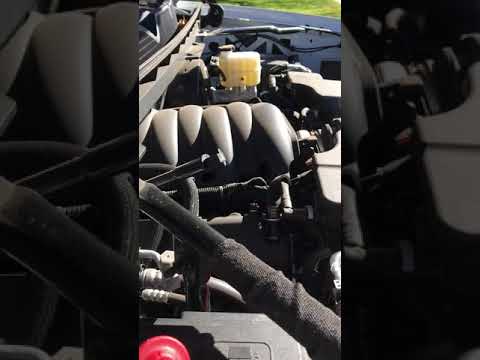
Quick answer: Jump Start on a 2016–2021 Honda Civic is rated Easy and takes about 15–20 minutes. You'll need 3 tools for this job. This guide walks you through the full job step by step, including the mistakes to avoid.
Step-by-Step Instructions
Follow these steps carefully
1
Position both cars and shut everything off
Park the donor vehicle close enough for the cables to reach, but don't let the two cars touch. Switch off all electrical loads — lights, audio, climate — and both engines. Set Park (automatic/CVT) or Neutral (manual) plus the parking brake.
2
Open the Civic's positive terminal cover
Pop the hood and locate the 12-volt battery. Before clamping anything, inspect the battery for cracks, leaks, heavy corrosion, or a swollen case and stop if you see any.
3
Connect red to the Civic's positive terminal
Clamp the first red cable onto the Civic's exposed positive (+) terminal, gripping bare metal so it can't shake loose during cranking. Keep the free cable ends from touching each other or any metal while you make the remaining connections.
4
Connect the donor battery's terminals
Connect the other red end to the donor battery's positive (+) terminal — 12-volt booster batteries only. Then clamp the black cable to the donor battery's negative (−) terminal.
5
Ground the black cable on the Civic's engine
Make the final connection on the Civic: attach the remaining black clamp to a solid, unpainted metal part of the engine or chassis — a sturdy bracket or bolt — away from the battery. Do not connect it to the Civic's negative battery terminal. Honda's procedure keeps this last connection (and its small, normal spark) away from the battery to reduce the risk of igniting hydrogen gas.
🔧 Mechanic's note — Ray Delgado
In my experience, Pick an unpainted bolt on the engine block or A/C compressor bracket — paint kills the ground. Keep the clamp clear of belts and the fan; a clamp snagged by the spinning belt becomes a flail.
6
Start the donor, then start the Civic
Have your helper start the donor car and hold a fast idle. Then start the Civic: brake pedal down, ENGINE START/STOP button (or turn the key).
7
Recharge and troubleshoot
If the battery dies again overnight, it's worn out (typical life: three to five years) and needs replacement; also check that no interior light or accessory is draining it while parked.
All Done!
Test your repair before closing everything up. If something doesn't work right, double-check your steps.
⚠️ Common Mistakes to Avoid
- • Forgetting to flip open the red cover on the Civic's positive battery terminal and clamping onto the plastic cover instead of the metal post.
- • Attaching the final black clamp to the Civic's negative battery post instead of a solid metal ground on the engine — Honda's manual specifically shows the ground-away-from-battery arrangement.
- • Trying to push-start the car — the owner's manual states plainly that a Civic with an automatic transmission cannot be started by pushing or pulling.
- • Attempting the jump on a battery whose case is swollen or whose electrolyte looks slushy or frozen in extreme cold; Honda warns this can rupture the battery.