Quick answer: Fuel Pump Replacement on a 2014–2019 Toyota Corolla is rated Expert and takes about 4-8 hours. You'll need 3 tools for this job, and parts cost about $270. This guide walks you through the full job step by step, including the mistakes to avoid.
| Part Name |
Part Number |
Price |
Buy |
| Vehicle-specific in-tank fuel pump/filter module or serviceable filter for 2014-2019 Toyota Corolla; verify VIN, engine, drivetrain, and fuel type |
— |
$210.00 |
|
| New fuel-module seal/O-ring and lock ring or retaining hardware for 2014-2019 Toyota Corolla; replace rather than reuse damaged seals |
— |
$35.00 |
|
| Fuel-safe absorbent pads, approved container, and replacement fuel-line clips as required |
— |
$25.00 |
|
About prices: shown prices are typical retail averages and change frequently; cheaper alternatives may be available. Confirm the current price before buying.
💡 Pro tip: Order all parts at once to save on shipping
Step-by-Step Instructions
Follow these steps carefully
1
Verify the part and make the vehicle safe
Park outdoors on level ground, set the parking brake, let the engine cool, check the VIN/engine-specific procedure, and compare the replacement pump module with the original before opening the fuel system.
🔧 Mechanic's note — Tom Becker
I park outdoors on level ground for fuel work — away from water heaters and spark sources, because gasoline vapor is heavier than air and crawls along the ground looking for ignition; the driveway is my shop for this one.
2
Relieve fuel pressure and disconnect power
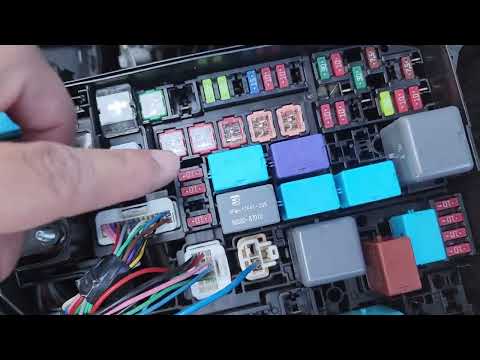
Follow the service procedure to disable the pump or remove the fuel-pump fuse/relay, run the engine only as directed until pressure is relieved, then switch off the ignition and disconnect the negative battery cable when specified. Wrap connections before opening them.
3
Expose the fuel module safely
Lower and support the fuel tank with a rated jack, disconnect the filler/vent hoses, electrical connectors, fuel lines, and straps, then remove the tank without stretching lines.
4
Remove the old pump module
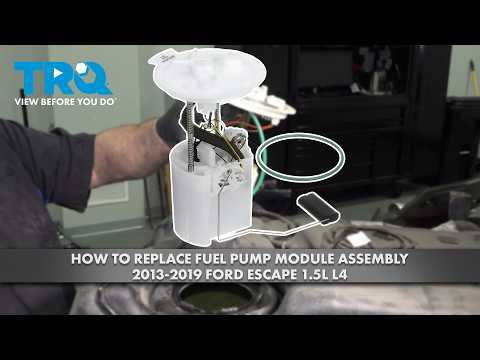
Mark connector and line positions, release each lock without prying on plastic, and remove the retaining ring with the vehicle-approved method. Lift the pump module straight out while controlling residual fuel and protecting the sender and float.
5
Install the replacement pump module
Compare the old and new parts, install the new seal/O-ring and any supplied filter, strainer, clips, or lock ring in the exact orientation, and seat the module without pinching the seal. Use only the specified lubricant and torque/retainer method.
6
Reconnect and prime the fuel system
Reconnect every fuel, vapor, and electrical connection, reinstall the service cover or raise the tank and tighten straps/hoses to the exact procedure, then reconnect the battery. Cycle the ignition as directed several times without cranking to prime the system.
7
Inspect for leaks and verify operation
Before starting, inspect the module, lines, tank, and ground for wet fuel or vapor. Start the 2014-2019 Toyota Corolla, let it idle while checking for leaks and abnormal pump noise, scan for faults if appropriate, and do not drive if fuel odor, seepage, a no-start, or low-pressure symptom remains.
🔧 Mechanic's note — Ray Delgado
I do the leak check before the tank goes back up, not after — with the module exposed I can see every connection, and I've learned once the tank's raised, a seep becomes a guess instead of a look.
All Done!
Test your repair before closing everything up. If something doesn't work right, double-check your steps.
⚠️ Common Mistakes to Avoid
- • Working near an ignition source or opening a pressurized fuel line
- • Dropping the tank without safely supporting it or without reducing the fuel level as directed
- • Letting dirt enter the tank, bending a nylon line, or damaging a quick connector
- • Reusing a flattened seal, misaligning the module, or failing to secure the lock ring
- • Failing to prime the system and inspect carefully for fuel leaks before starting or driving