Quick answer: Check Engine Light on a 2014–2019 Toyota Corolla is rated Easy and takes about 15–30 minutes. You'll need 3 tools for this job. This guide walks you through the full job step by step, including the mistakes to avoid.
Step-by-Step Instructions
Follow these steps carefully
1
Locate the OBD2 port by the hood-release latch
On the 2014–2019 Corolla, the 16-pin OBD2 port lives under the driver-side dash, just left of the steering wheel, above the footrest and right next to the hood-release latch.
2
Plug in the scanner and power up the ignition
Press the scanner's connector firmly into the port until it seats. No lights on the tool means the plug isn't seated or the ignition isn't truly on — check both.
3
Read and record every code plus freeze-frame
Pull up freeze-frame data too: it logs engine RPM, coolant temp, speed, and fuel trims from the exact moment the fault was recorded, which separates a cold-start issue from one striking at highway speed.
4
Decode the generic code families
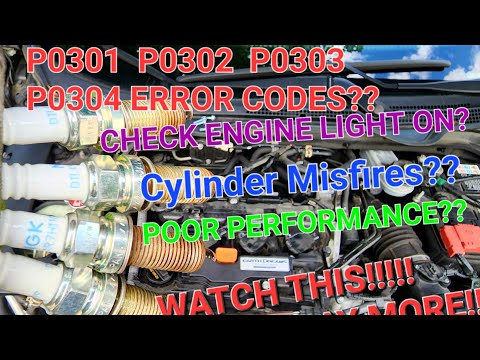
Generic P0xxx codes mean the same thing across all manufacturers. P0300-series codes flag engine misfires — on the Corolla's 1.8L 2ZR-FE, worn spark plugs are the first thing to inspect. P0420-family codes concern catalytic converter efficiency. P0171 indicates a lean condition (excess air), and on this generation a cracked or hardened intake hose between the airbox and throttle body is a well-known source. P04xx codes cover evaporative emissions, where a loose or aging fuel cap is the classic easy fix.
🔧 Mechanic's note — Tom Becker
In my experience, That intake hose hardens with age and cracks right behind the clamp where you won't see it. Flex it while the engine idles — if the idle stumbles, you found your leak.
5
Judge whether the car is safe to drive
With a steady light and no other warnings, the Corolla can generally be driven gently to a shop — keep revs low and get it checked soon. Same stop-driving rule if the temperature gauge climbs or the oil-pressure warning appears.
6
Fix the fault
A code names the system, not the part — test before you replace. Check plug condition for misfires, flex the intake hose and listen for hissing on lean codes, inspect the fuel-cap seal on EVAP codes.
7
Drive it and make sure the light stays off
Restart and confirm the light is out, then drive normally for several days — city stop-and-go plus highway stretches — so the diagnostics complete their self-tests and set the readiness monitors.
All Done!
Test your repair before closing everything up. If something doesn't work right, double-check your steps.
⚠️ Common Mistakes to Avoid
- • Disconnecting the battery to clear the code, which wipes radio presets and idle memory and causes a rough idle until relearn.
- • Replacing parts for a P0171 lean code without inspecting the intake hose for cracks first.
- • Clearing an EVAP code without checking the fuel cap's seal and tightness.