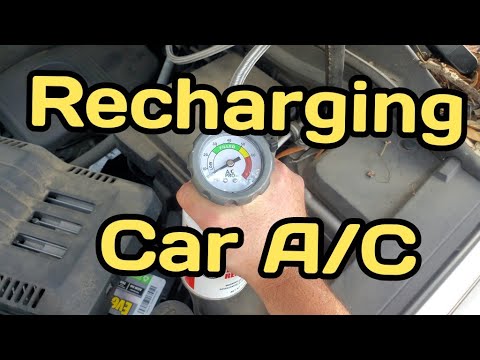
Quick answer: AC Not Blowing Cold / Recharge on a 2014–2021 Toyota Tundra is rated Moderate and takes about 30-60 minutes. You'll need 2 tools for this job, and parts cost about $45. This guide walks you through the full job step by step, including the mistakes to avoid.
| Part Name |
Part Number |
Price |
Buy |
| Correct refrigerant DIY kit with gauge (R-134a or R-1234yf as labeled) |
— |
$45.00 |
|
| AC leak-detect dye (optional) Optional |
— |
$12.00 |
|
About prices: shown prices are typical retail averages and change frequently; cheaper alternatives may be available. Confirm the current price before buying.
💡 Pro tip: Order all parts at once to save on shipping
Step-by-Step Instructions
Follow these steps carefully
1
Confirm refrigerant type and symptoms
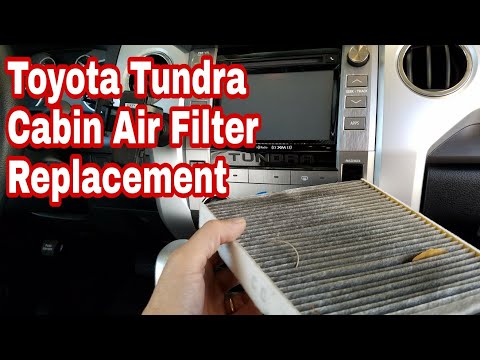
Confirm the under-hood A/C sticker: 2014–2021 Tundras use R-134a (R-1234yf arrived with the 2022 redesign). Engine idling, MAX A/C — verify warm vents, watch the compressor clutch engage, and check the cabin filter (a clogged filter fakes weak cooling). Wear safety glasses and gloves — liquid refrigerant causes frostbite on contact.
2
Find the low-side service port
Engine off: trace the larger suction line from the compressor to the firewall; the low-side port is under a cap on it, often marked L. Never connect there: several hundred psi can rupture the can. Do not force adapters or mix fittings.
3
Take a baseline reading
Confirm the clutch spins with the pulley, then read the low side: R-134a runs roughly 35–45 psi at 75°F, up to about 50–60 at 90°F.
🔧 Mechanic's note — Ray Delgado
I watch the clutch plate, not just the pulley — the pulley always spins with the belt, and I've learned if the center plate sits still while the outer turns, the clutch isn't engaged.
4
Add refrigerant cautiously
Partial charge only: add R-134a in five-to-ten-second bursts, can upright, shaking gently between bursts. Recheck gauge and vent temp after each; stop in range. These systems are large (some trims have rear A/C) — resist extra cans. Never mix refrigerants.
🔧 Mechanic's note — Tom Becker
On these big trucks I've learned one can is rarely the whole story — but two cans without a gauge reading is how compressors die, so I check the gauge every time.
5
Stop and verify cooling
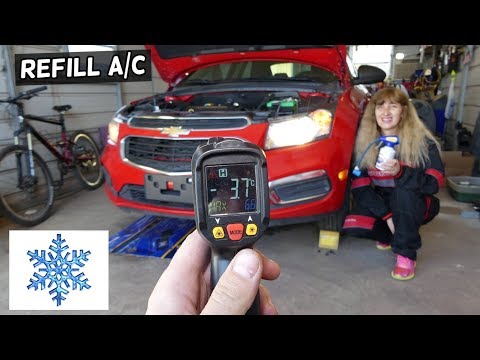
Disconnect, refit the cap finger-tight. At idle with recirculate on, expect roughly 35–50°F at the center vent — verify with a thermometer. Inspect fittings, compressor, and condenser for oily residue or dye traces. Cooling fades in days, clutch never engages, or baseline near zero?
All Done!
Test your repair before closing everything up. If something doesn't work right, double-check your steps.
⚠️ Common Mistakes to Avoid
- • Using the wrong refrigerant (R-134a vs R-1234yf)
- • Overcharging by watching a gauge without following the kit chart and vent temperature
- • Recharging an empty or badly leaking system
- • Connecting to the high-side port
- • Continuing to recharge when the system loses cooling again within days