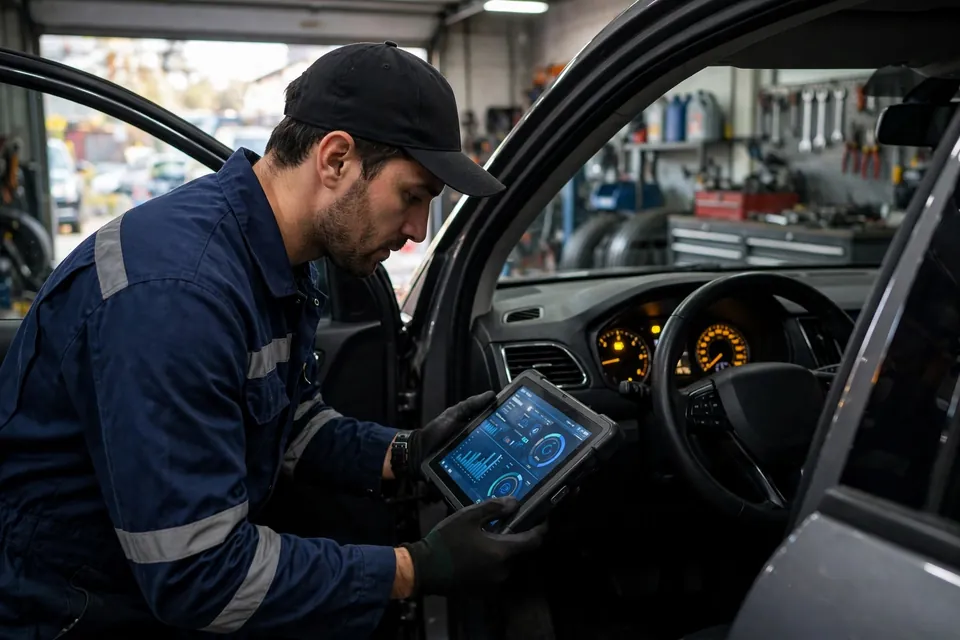
That Little Orange Light That Ruins Your Day
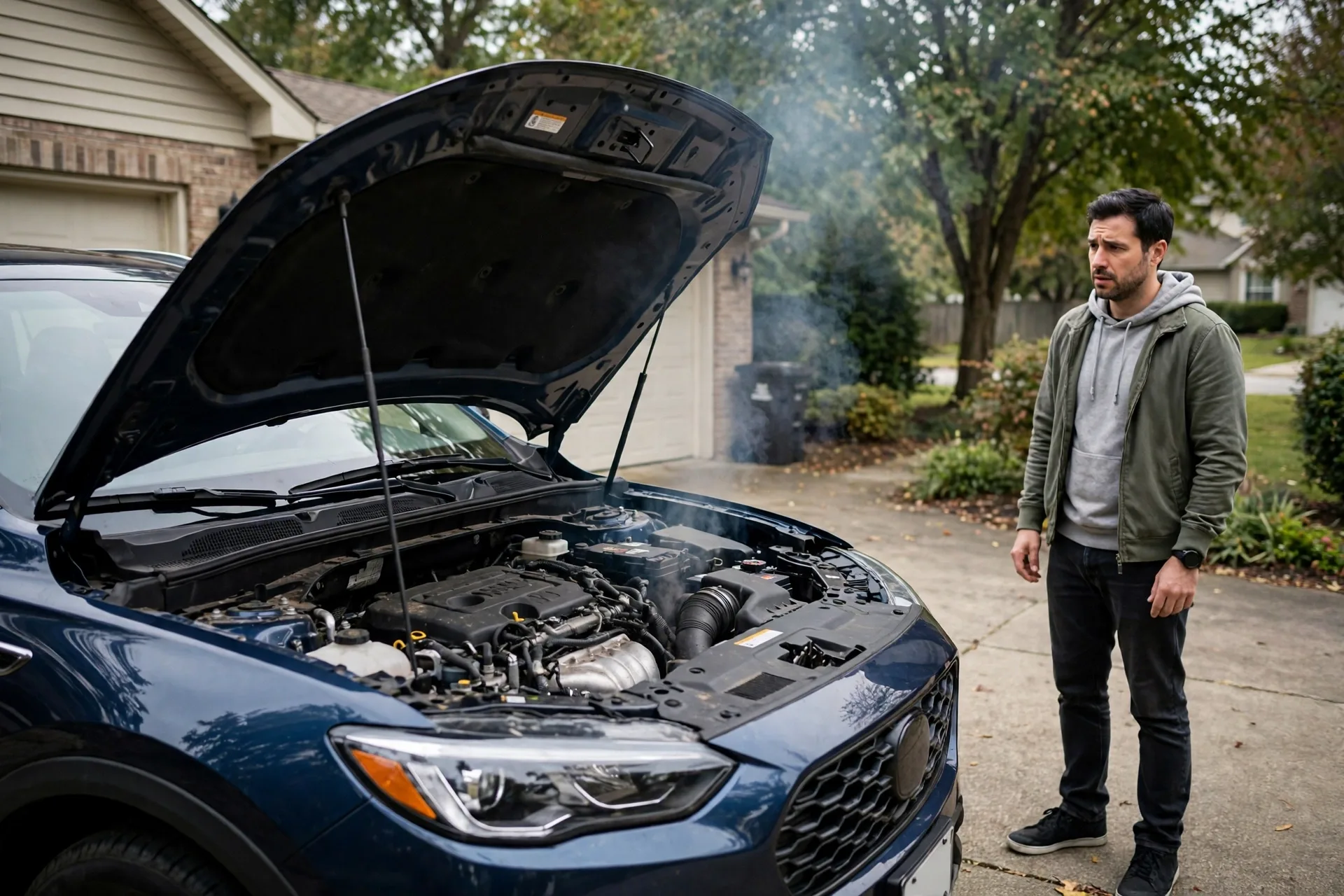
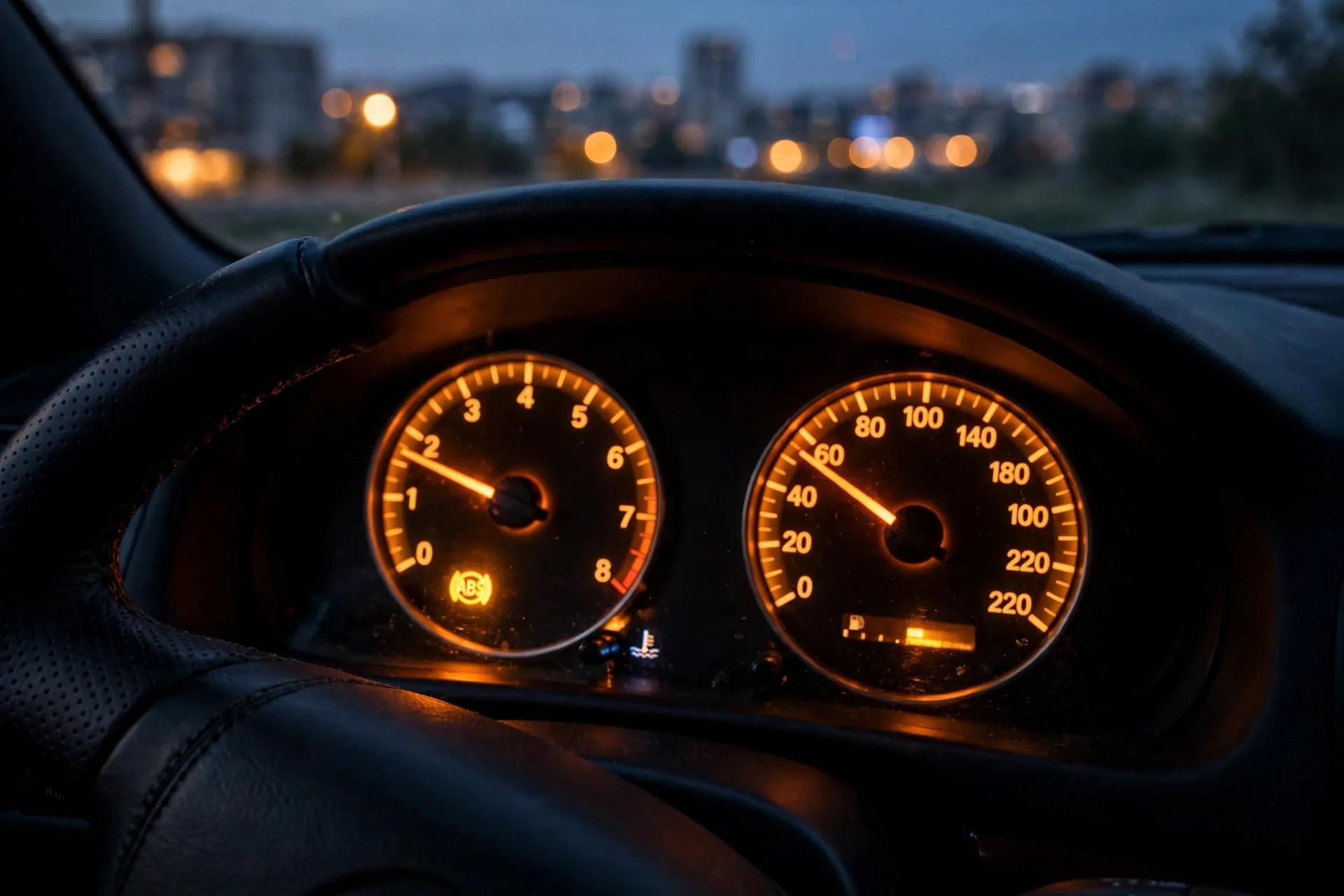
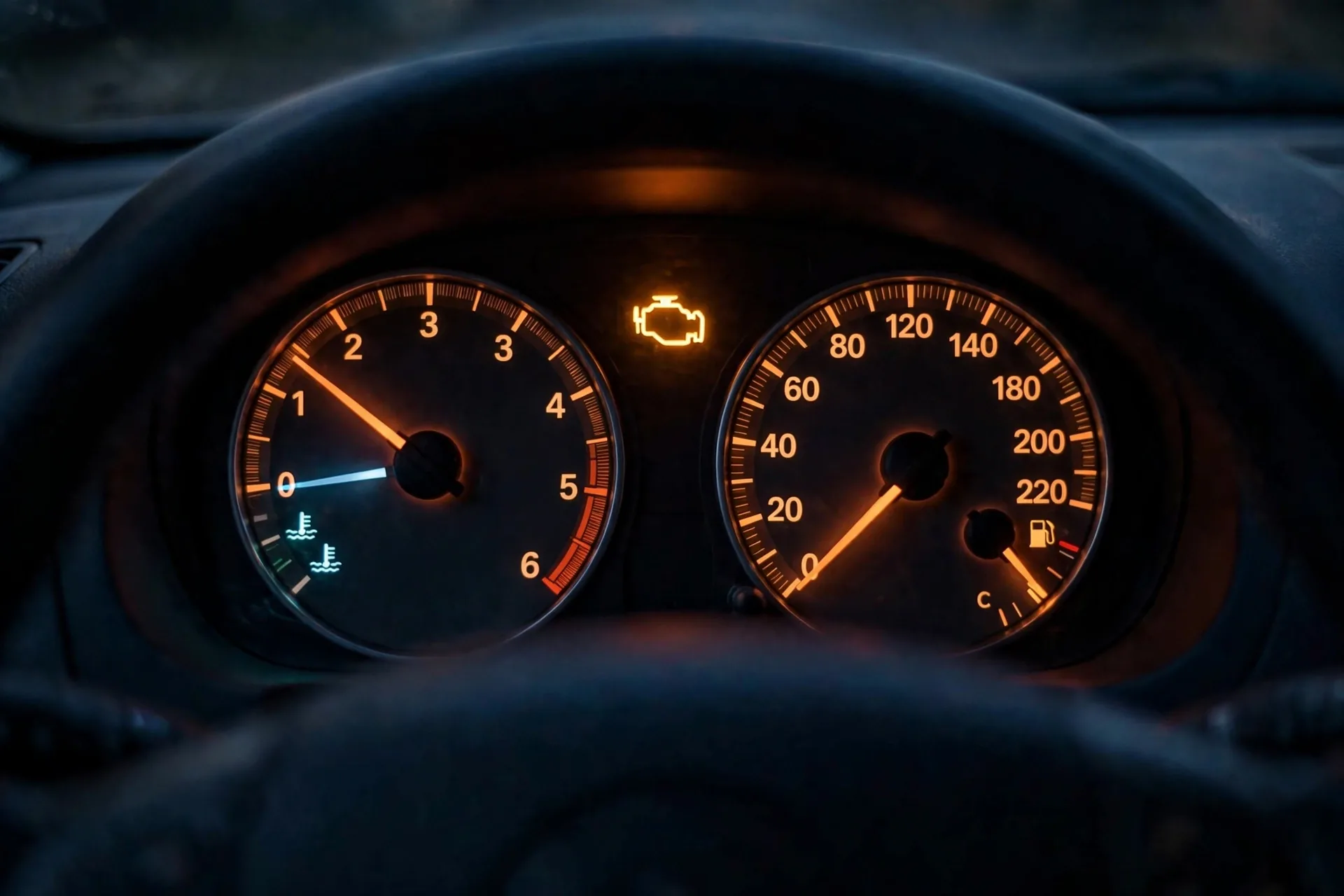
You're driving along, everything's fine, and then... there it is. That amber check engine light glowing on your dashboard like a judgment from the car gods.
Your first thought: "How much is this going to cost?"
Your second thought: "Can I ignore it?"
Let me give you the real answers after diagnosing literally thousands of check engine lights over 14 years.
What the Check Engine Light Actually Means
First, let's be clear about what this light is telling you:
It means: Your car's computer (ECM/PCM) detected something outside normal parameters and stored a diagnostic trouble code (DTC).
It does NOT mean:
- Your engine is about to explode
- Your car will stop running immediately
- You need to pull over right now (usually)
- You need a new engine
Reality: Most check engine lights are emissions-related issues. Annoying and need to be fixed, but not catastrophic.
The Different Types of Check Engine Lights
Solid Light (Not Flashing)
What it means: Something is wrong, but not urgently dangerous
Examples:
- Loose gas cap
- Failing oxygen sensor
- Evaporative emission leak
- Minor misfire
What to do: Get it checked within a week or two. You can keep driving normally.
Flashing/Blinking Light
What it means: SERIOUS PROBLEM - usually severe engine misfire
Why it's serious: Unburned fuel is getting into the catalytic converter. This can:
- Overheat and destroy the catalytic converter ($1,000-3,000 repair)
- Damage the engine
- Create a fire risk
What to do:
- Reduce speed immediately
- Don't accelerate hard
- Get to a safe place
- Have it towed or drive VERY gently to a shop
Do not ignore a flashing check engine light.
Light Goes On and Off
What it means: Problem is intermittent
Examples:
- Loose connection
- Sensor on the edge of failing
- Weather-related issue
What to do: Get it checked soon. The code is stored even when light is off.
How to Read the Codes Yourself
You don't need a shop to tell you what code triggered the light. Here's how to check it yourself:
Option 1: Buy an OBD2 Scanner ($20-50)
Basic scanners on Amazon work fine for most people:
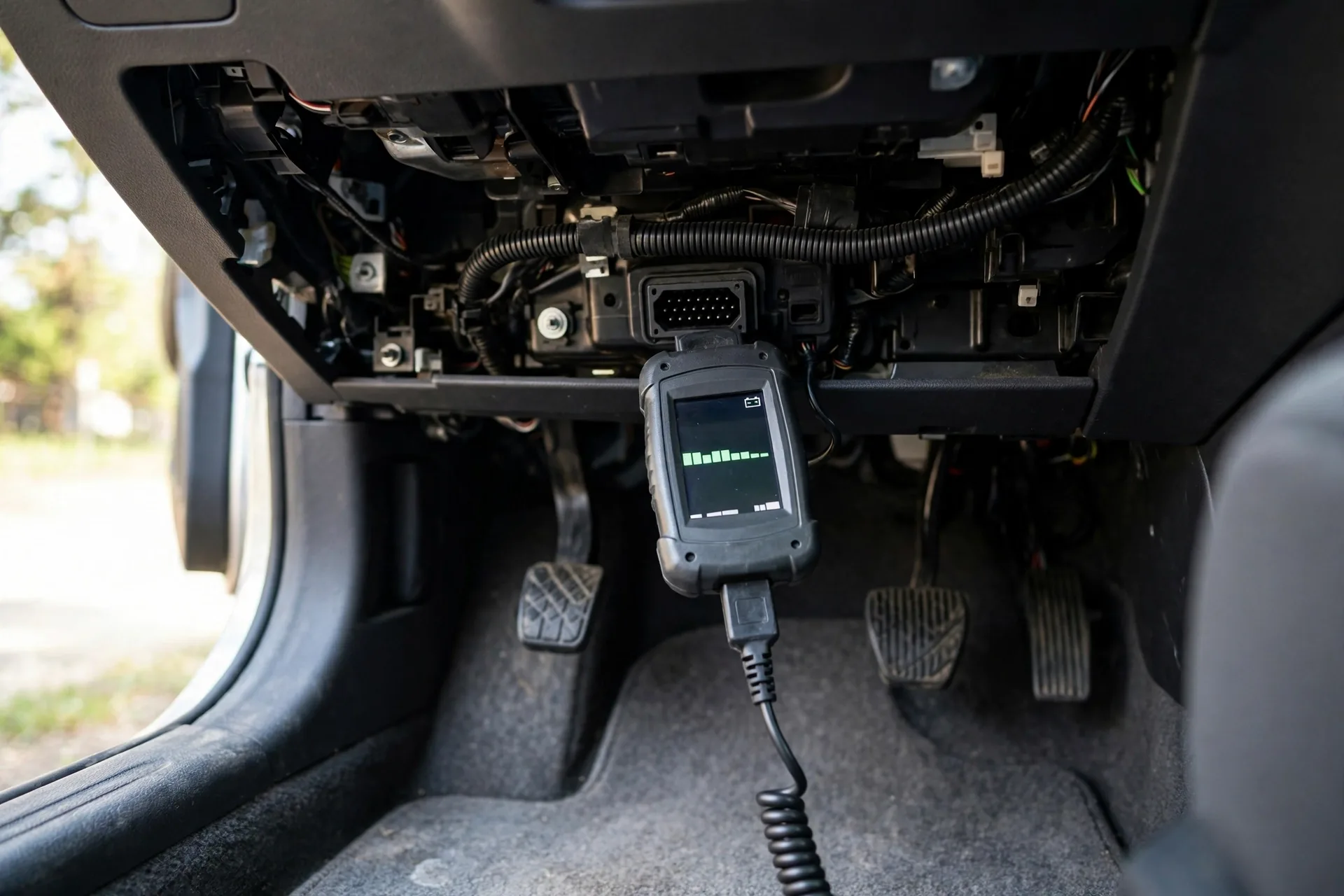
- Plug into OBD2 port (usually under steering wheel)
- Turn key to ON (don't start engine)
- Scanner displays codes
- Write them down
- Look up codes online
Popular cheap scanners (prices change — check before buying):
- Ancel AD310 (about $25) - basic but works
- BlueDriver (about $100) - connects to phone, more features
- Autel AL319 (about $30) - simple and reliable
Option 2: Auto Parts Store (Free)
AutoZone, O'Reilly's, Advance Auto - they'll scan it for free. They'll print out the codes and tell you what they mean.
BUT: Their job is to read the code, not diagnose the actual problem. And they'll try to sell you parts.
Option 3: Phone App + Bluetooth Adapter ($15-30)
Buy a Bluetooth OBD2 adapter, plug it in, use a phone app (Torque Pro, DashCommand, etc.)
This is what I use personally. Can monitor real-time data, clear codes, read freeze frame data.
Related guide: 2019-2024 Cadillac XT4 — Check Engine Light / OBD2 Diagnosis DIY Guide | EZ Car Fix — walk through the full OBD-II diagnosis process on a real vehicle.
Understanding Trouble Codes
Codes are formatted like this: P0420
First character:
- P = Powertrain (engine, transmission)
- B = Body (airbags, seats, etc.)
- C = Chassis (ABS, suspension)
- U = Network (computer communication)
Second character:
- 0 = Generic code (all manufacturers)
- 1 = Manufacturer specific
Remaining numbers: Specific system and fault
Example: P0420 = Powertrain, Generic, Catalyst System Efficiency Below Threshold
The Most Common Check Engine Light Codes
Here are the codes I see most often and what they actually mean:
P0420 / P0430 - Catalyst Efficiency Below Threshold
What it means: Catalytic converter isn't working efficiently OR downstream oxygen sensor is reading wrong
Common causes:
- Failing catalytic converter
- Failing downstream O2 sensor (cheaper fix)
- Engine running rich (other issue causing this)
Cost to fix:
- O2 sensor: $150-300
- Catalytic converter: $500-3,000
My advice: Replace downstream O2 sensor first ($200). If light comes back, then it's probably the cat.
P0171 / P0174 - System Too Lean (Bank 1/2)
What it means: Engine is getting too much air or not enough fuel
Common causes:
- Vacuum leak (cracked hose, intake gasket)
- Dirty/failing MAF sensor
- Weak fuel pump
- Dirty fuel injectors
Cost to fix:
- Clean MAF sensor: DIY $10
- Fix vacuum leak: $100-300
- Replace MAF sensor: $150-400
Start with: Clean the MAF sensor, check for obvious vacuum leaks
P0300-P0308 - Engine Misfire
What it means: One or more cylinders aren't firing properly
P0300 = Random misfire (multiple cylinders) P0301-308 = Specific cylinder (P0301 = cylinder 1, etc.)
Common causes:
- Worn spark plugs (most common)
- Faulty ignition coil
- Bad spark plug wires (older cars)
- Low compression (serious)
- Dirty fuel injector
Cost to fix:
- Spark plugs: $80-200 (DIY: $40)
- Ignition coil: $150-350
- Compression issue: $500-3,000+
Start with: Replace spark plugs and wires if due
P0128 - Coolant Temperature Below Thermostat Regulating Temperature
What it means: Engine isn't reaching proper operating temperature
Common cause: Stuck-open thermostat (car runs too cool)
Cost to fix: $150-300 for thermostat replacement
Why it matters: Engine running cold = worse fuel economy, increased emissions, engine wear
P0442 - Evaporative Emission System Leak Detected (Small Leak)
What it means: Gas vapor is escaping from the fuel system
Most common cause: Loose, damaged, or missing gas cap
Fix:
- Tighten gas cap until it clicks
- Drive for a day or two
- If light doesn't go off, might need new gas cap ($15-30)
- If still not fixed, might be EVAP canister or purge valve
Cost to fix:
- Gas cap: $15-30 (DIY)
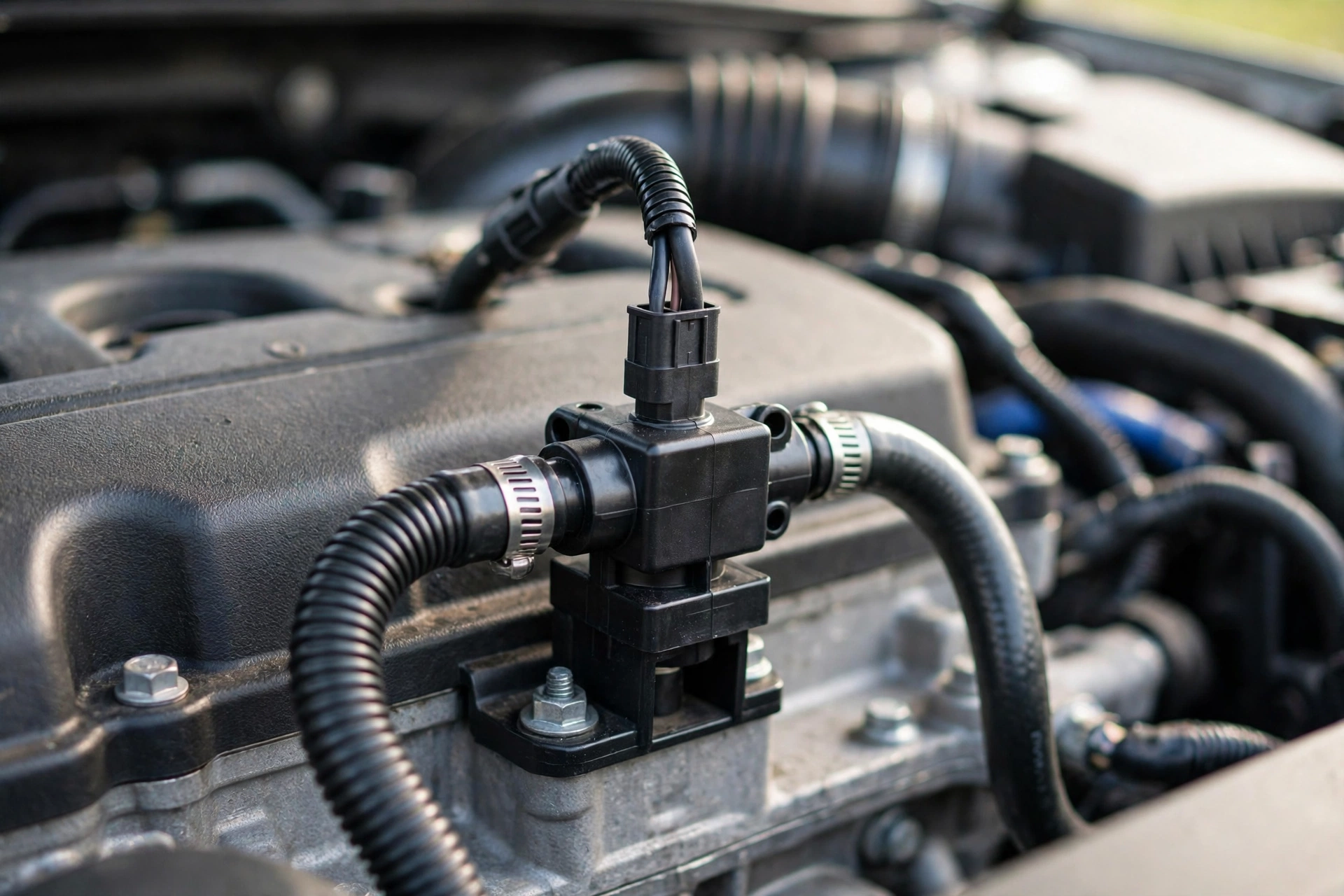
- Purge valve: $100-250
- EVAP canister: $200-600
Start with: New gas cap - cheapest fix first
P0455 - Evaporative Emission System Leak Detected (Large Leak)
What it means: Larger fuel vapor leak than P0442
Common causes:
- Loose gas cap (check first)
- Cracked EVAP hose
- Faulty purge valve
- Damaged fuel tank
Cost to fix: Same as P0442, but more likely to need parts beyond just gas cap
P0401 - Exhaust Gas Recirculation Flow Insufficient
What it means: EGR system isn't working properly
Common causes:
- Clogged EGR valve (carbon buildup)
- Faulty EGR valve
- Clogged EGR passages
Cost to fix:
- Clean EGR valve: $100-200
- Replace EGR valve: $200-500
DIY option: EGR valve can sometimes be cleaned with carb cleaner
P0133 - O2 Sensor Slow Response
What it means: Oxygen sensor is responding slowly to changes
Common cause: Failing oxygen sensor (they wear out over time)
Cost to fix: $150-300 per sensor
Note: Most modern cars have 2-4 O2 sensors. The code will specify which one.
P0141 - O2 Sensor Heater Circuit Malfunction
What it means: Oxygen sensor's heating element isn't working
Fix: Replace the oxygen sensor
Cost: $150-300
P0340 - Camshaft Position Sensor Circuit Malfunction
What it means: Computer can't read camshaft position
Common causes:
- Failing cam sensor
- Wiring issue
- Timing problem (serious)
Cost to fix:
- Sensor: $100-300
- Wiring: $100-250
- Timing issue: $500-2,000+
Related guide: 2018-2024 Toyota Camry — MAF Sensor Replacement DIY Guide | EZ Car Fix — if your code reader shows P0101, this is the fix — clean or replace the MAF sensor.
Codes That Mean "Get It Checked NOW"
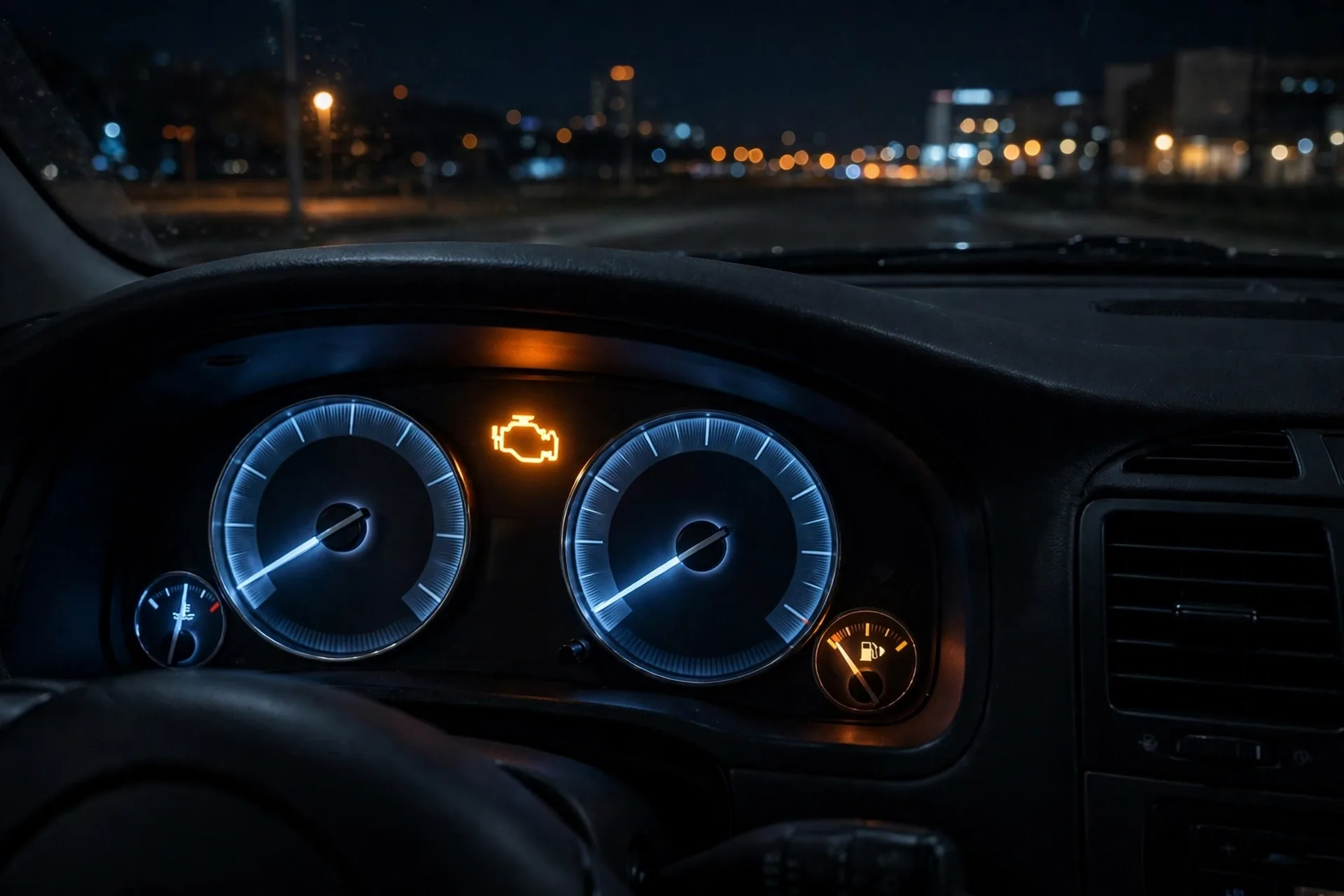
Most codes can wait a few days. These can't:
Any code with flashing check engine light - Severe misfire, stop driving
P0217 - Engine Overheating - Pull over immediately
P0524 - Oil Pressure Too Low - Stop engine immediately
P0830 - Clutch Pedal Switch Circuit - Safety issue
P0850 - Neutral Safety Switch - Safety issue
Any transmission codes (P07XX) - Can cause expensive damage if driven
What to Do When the Light Comes On
Step 1: Don't Panic
Seriously. Most codes are minor issues. Take a breath.
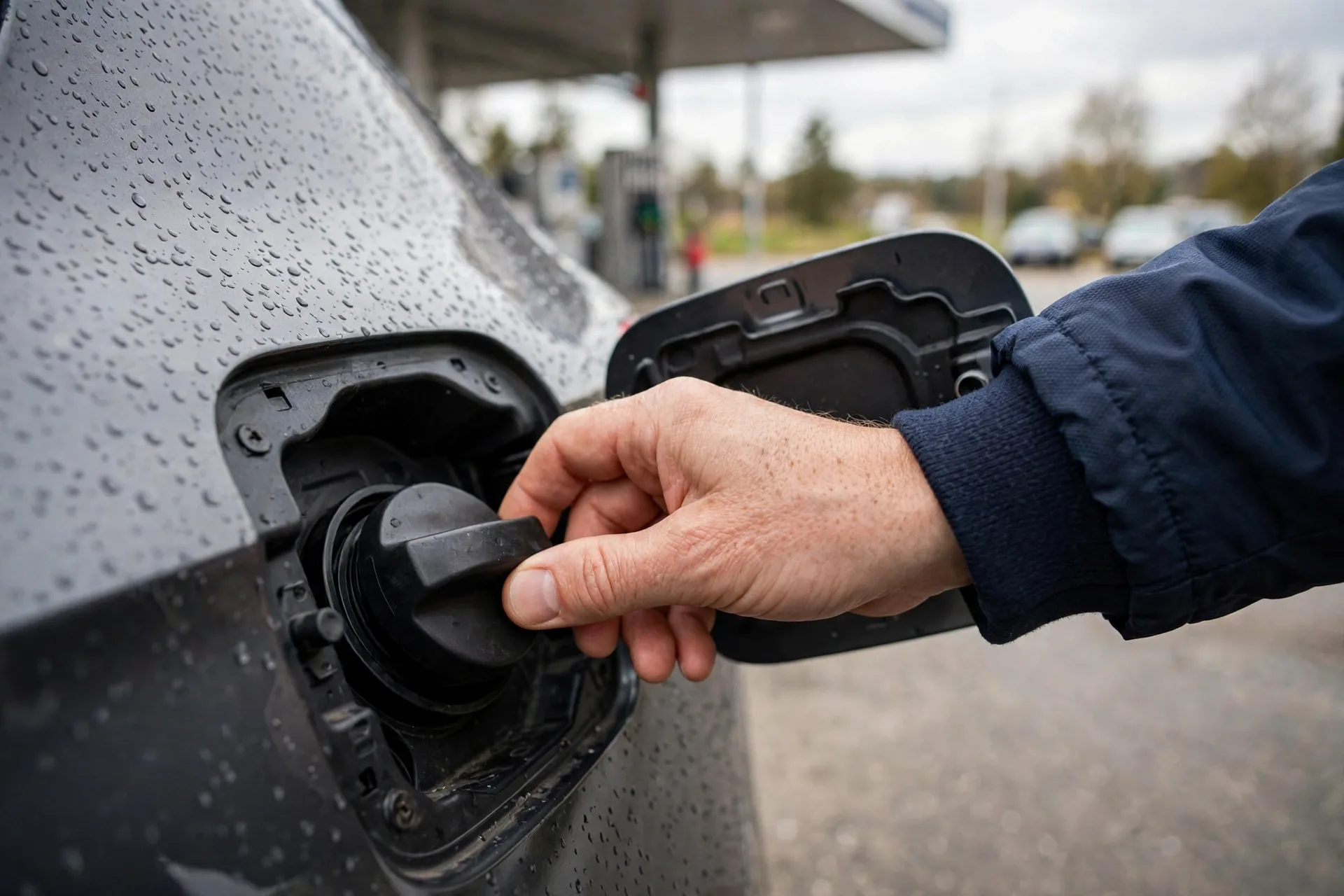
Step 2: Check Gas Cap
I know it sounds dumb, but loose gas cap is one of the most common causes. Tighten it until it clicks (usually 3 clicks). Drive for a day or two - light might go off.
Step 3: Note Symptoms
Is the car:
- Running rough?
- Using more gas?
- Making unusual noises?
- Smoking?
- Losing power?
Or running perfectly normal?
This helps diagnose the issue.
Step 4: Get the Code Read
Either:
- Drive to auto parts store (free scan)
- Use your own scanner
- Drive to mechanic
Step 5: Research the Code
Google the code + your car make/model. You'll find:
- Common causes for your specific vehicle
- Forum posts from people with same issue
- Typical fixes and costs
- DIY instructions if you're handy
Step 6: Decide on Action
Based on the code:
- Emergency repair needed?
- Can wait a week?
- DIY fix possible?
- Need professional diagnosis?
Can You Just Clear the Code and Ignore It?
Short answer: Yes, but it'll probably come back.
Long answer: Clearing the code erases it from memory, but if the problem still exists, the light will return (usually within a few miles to a few days).
When clearing codes makes sense:
- After you fix the problem (reset to see if fix worked)
- If it's an intermittent issue that hasn't returned
- To pass emissions if you know the problem is minor
When clearing codes is stupid:
- To pretend there's no problem
- Before selling the car (dishonest and illegal in many places)
- Without fixing the underlying issue
How to clear codes:
- Using scan tool (Clear Codes button)
- Disconnect battery for 15 minutes (also resets everything else)
- Drive through complete drive cycle (sometimes works)
Will It Pass Emissions With Check Engine Light On?
Absolutely not. Automatic fail in every state that has emissions testing.
Even if you clear the code right before, the system will show "not ready" status and you'll fail.
Fix the problem, drive through a complete drive cycle (usually 50-100 miles of varied driving), then get tested.
DIY Fixes for Common Codes
Some codes you can fix yourself:
P0442/P0455 (EVAP leak):
- New gas cap: $15-30
- 5 minutes
P0171/P0174 (Lean condition):
- Clean MAF sensor: $10 for cleaner
- 10 minutes
- Check for loose intake hoses
P0300-P0308 (Misfire):
- Replace spark plugs: $40-80
- 30-60 minutes if accessible
P0420/P0430 (Cat efficiency):
- Try replacing downstream O2 sensor first: $50-100
- 30 minutes if accessible
P0128 (Thermostat):
- Replace thermostat: $20-40
- 30-60 minutes (varies by car)
Related guide: 2018-2024 Jeep Wrangler - Oxygen Sensor — a P0130-series code usually means this exact repair — here's the full walkthrough.
When You Need a Professional
Some issues need a mechanic:
Complex diagnosis needed:
- Intermittent codes
- Multiple codes at once
- Electrical issues
- Computer communication problems
Special tools required:
- Scope testing
- Pressure testing
- Compression testing
- Advanced scan tools
Safety-critical:
- Airbag codes
- ABS codes
- Transmission codes
- Anything affecting braking or steering
Beyond your skill level:
- Anything involving dropping transmission
- Engine teardown
- Timing chain/belt issues
- Cylinder head work
How to Avoid Getting Ripped Off
Red flags at shops:
- "Your computer needs to be reflashed" ($300-600) for simple codes
- Recommending parts without testing ("You need a new catalytic converter" without testing the O2 sensors first)
- Pressure tactics ("This is dangerous, we can't let you leave")
- Refusing to show you the code or printout
- Wildly different prices from other quotes
Good signs:
- Showing you the code and explaining it
- Testing multiple possible causes before recommending parts
- Starting with cheapest/easiest fixes first
- Giving you options (OEM vs aftermarket parts)
- Standing behind their work (warranty)
Pro tip: Get your own scanner ($20-50), read the codes yourself, research them, THEN go to shop if needed. You'll be an informed customer and less likely to get ripped off.
Multiple Codes at Once
If you have 3, 4, 5+ codes, don't panic. Often one problem causes multiple codes.
Example:
- Failing MAF sensor can cause lean codes, misfire codes, and fuel trim codes all at once
- One vacuum leak can trigger 4-5 different codes
A good mechanic will diagnose the root cause, not just throw parts at every code.
The Bottom Line
Check engine light is not the end of the world. Here's the takeaway:
Immediate action needed:
- Flashing light
- Overheating
- Oil pressure
- Transmission issues
- Safety systems
Fix soon (within 2 weeks):
- Most other codes
- Anything causing poor performance
- Anything causing bad fuel economy
Can wait a bit:
- Intermittent codes that haven't returned
- Minor EVAP leaks
- Sensor codes with no symptoms
Usually cheap/easy fixes:
- Gas cap
- MAF sensor cleaning
- Spark plugs
- O2 sensors
Usually expensive:
- Catalytic converters
- Transmission issues
- Engine mechanical problems
My advice:
- Get the code read (free at parts stores)
- Google the code + your car
- Start with cheapest fix first
- Don't ignore it forever (can cause more damage)
- Use a trusted mechanic if needed
Questions about specific codes? Drop them below. I've diagnosed thousands of check engine lights in my career.
Stay calm and diagnose smart.
- Ray Delgado, ASE Master Technician
Last reviewed: October 2026.