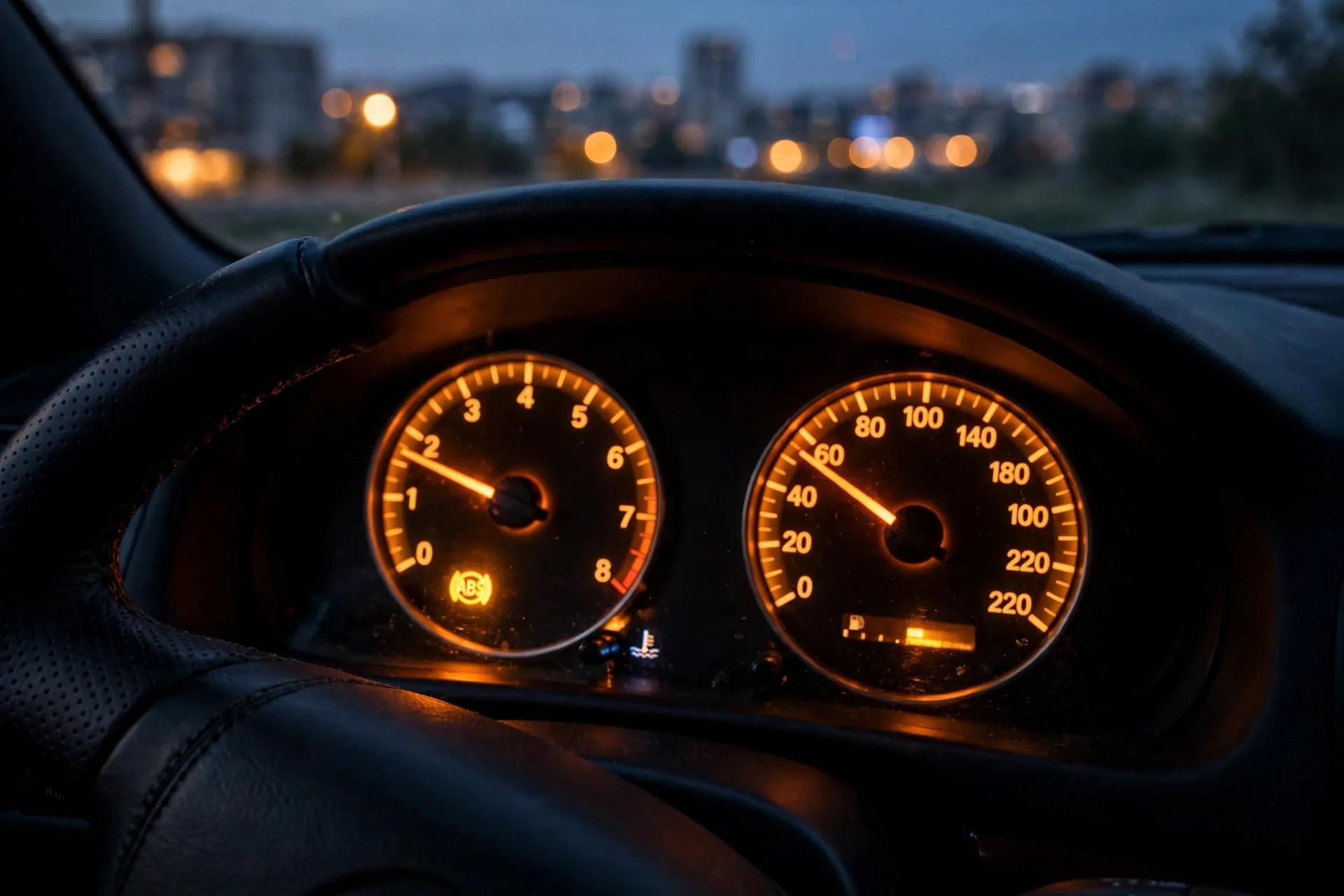
ABS Light On: Wheel Speed Sensor Symptoms and Cost
Your ABS light is on, and the most likely culprit is a wheel speed sensor. Your regular brakes still work, so this is not a stop-the-car emergency, but your anti-lock brakes, traction control, and stability control may be offline until you fix it. Get it diagnosed soon, especially heading into winter, when you actually need those systems.
What a Wheel Speed Sensor Does
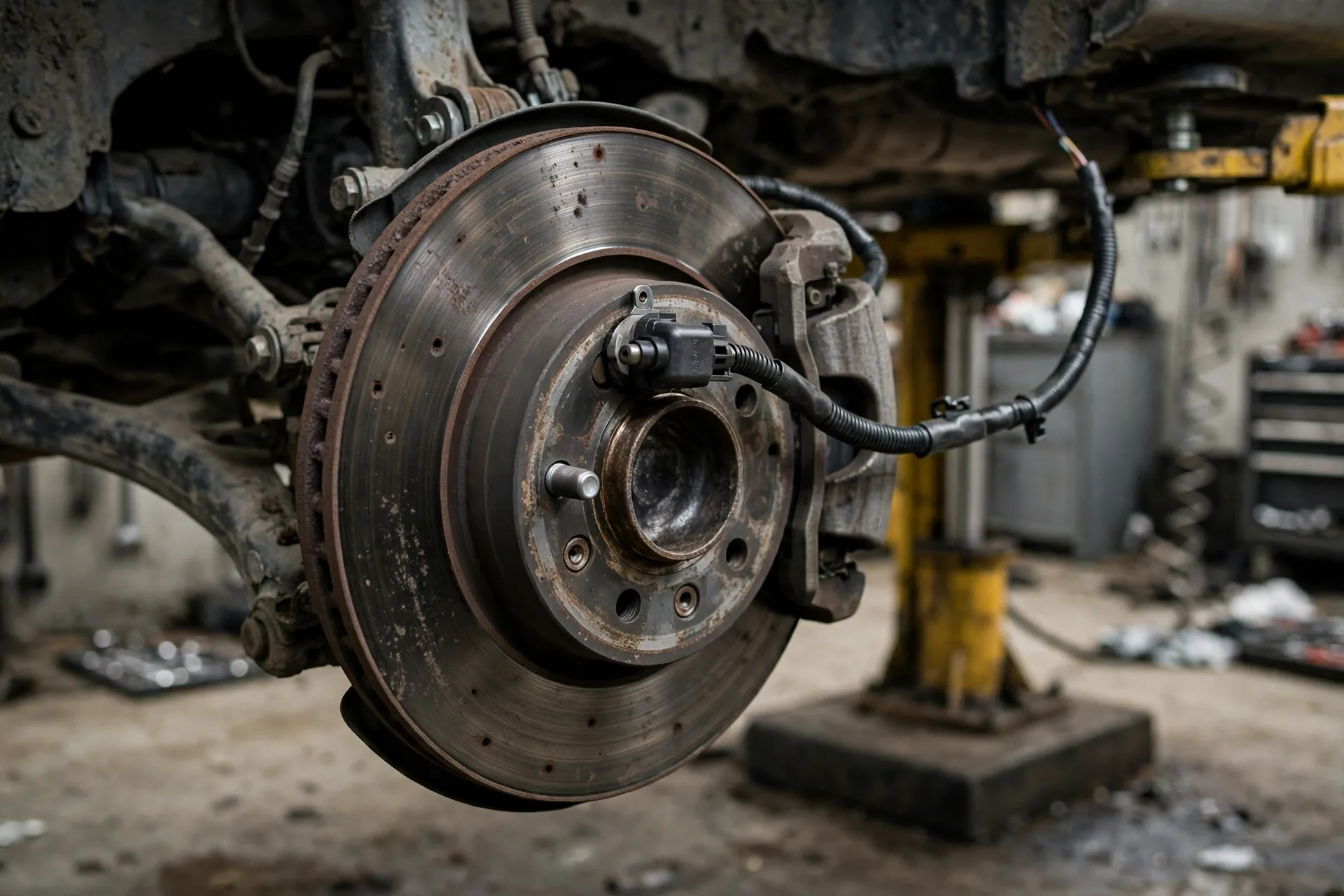
Each wheel has a speed sensor that watches a toothed ring, called a tone ring, spinning with the wheel. The sensor turns that spinning into an electrical signal, and the ABS module compares all four wheels many times per second. If one wheel starts locking up under braking, the module pulses that brake to keep the tire rolling instead of skidding. When a sensor signal goes missing, erratic, or implausible, the module turns the ABS light on and shuts the system down rather than guessing.
Sensors live in a brutal spot, inches from the road. Road salt, water, rust, and flying debris attack the wiring and the sensor tip, and a cracked tone ring throws the signal off. That is why ABS lights love to appear in late fall and winter, right when the system matters most.
Symptoms of a Bad Wheel Speed Sensor
The light itself is symptom number one, but a failing sensor usually gives you more clues:
- ABS light on steady. Sometimes the traction control light joins it, since both systems use the same wheel speed data.
- ABS kicking in at low speed on dry pavement. You feel the pedal buzz or pulse during a gentle stop, even though nothing is slippery. The module is reacting to a false "that wheel stopped" signal.
- Traction control acting strange. Random traction control intervention, or the system switching itself off.
- Cruise control dropping out or refusing to set. Some cars feed wheel speed data to cruise control, so a bad signal kills it.
- No noise at all. This is the big tell. A bad sensor is an electrical failure, and electrical failures are silent. If you hear humming or growling, you are probably looking at a different problem.
Wheel Speed Sensor vs Wheel Bearing
Sensors and bearings get confused constantly because they live in the same place and can trigger the same warning light. Here is the simple split: a bad bearing makes noise, a bad sensor usually does not.
A failing wheel bearing hums, growls, or rumbles, and the noise changes with speed and often gets louder or quieter when you steer left or right. A failing sensor throws codes and warning lights with no noise. The two problems do overlap, though. A worn bearing with play in it can damage the sensor or push it out of position, and on many cars the sensor is built into the bearing hub assembly, so one repair covers both. If your car hums and the ABS light is on, read our post on Wheel Bearings: The Humming Noise That Gets Louder Until Your Wheel Falls Off before you order parts, and compare with a real walkthrough like the 2021-2024 Cadillac Escalade, Front Wheel Bearing Replacement guide to see what the hub job actually involves.
How to Diagnose It
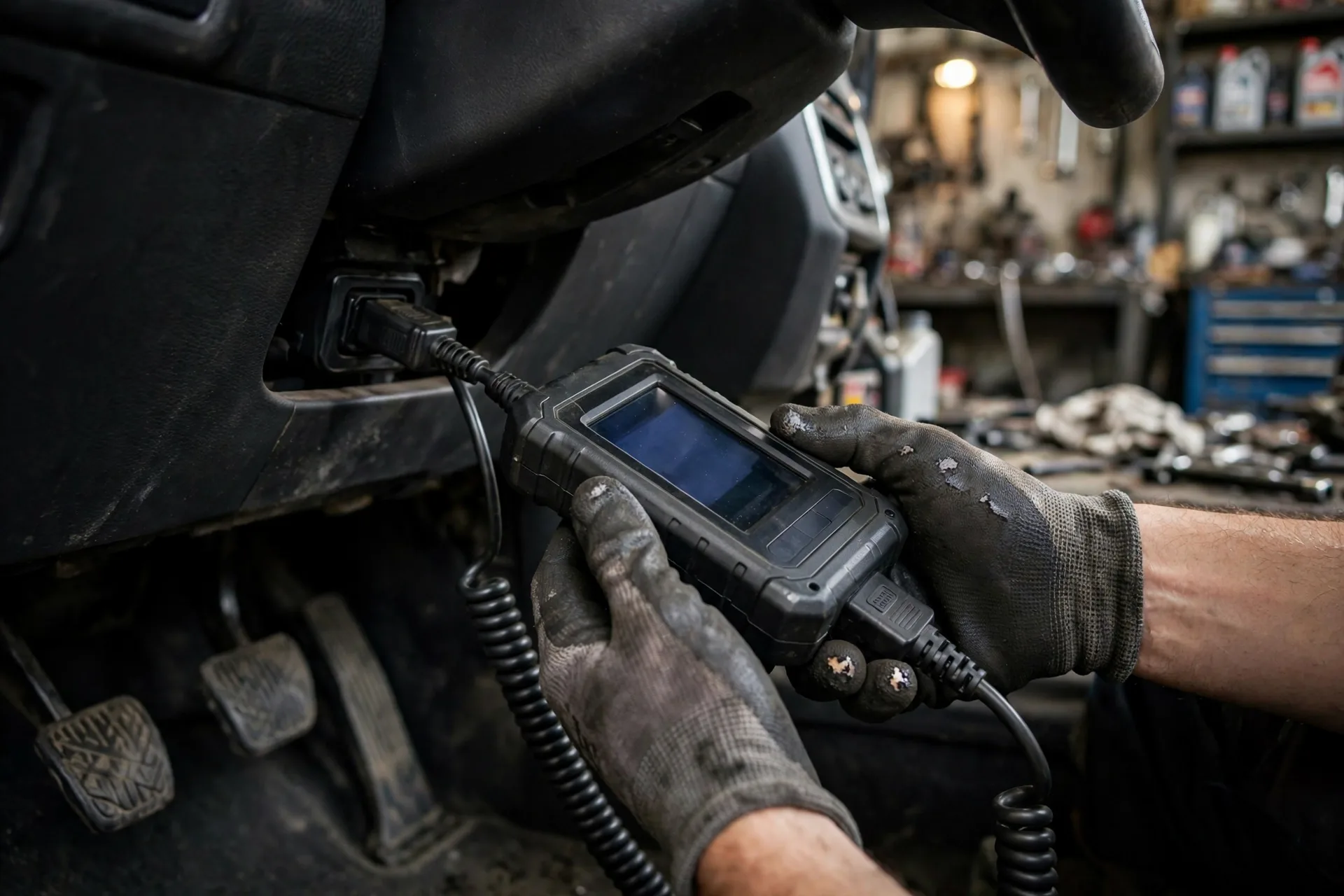
Guessing which wheel is bad wastes money, since there are four sensors and they are not interchangeable on most cars. Work through it in order:
- Scan for ABS codes. A basic code reader often cannot see ABS codes at all. You need a scanner with ABS capability, or a shop scan, to pull the code that names the suspect wheel and the type of fault.
- Inspect the wiring and connector at that wheel. Look for chafed wires, a connector full of green corrosion, or a harness that has been rubbing on the tire or suspension. Wiring damage is common and far cheaper than parts.
- Check the tone ring. Look for a cracked ring, missing teeth, or heavy rust and debris buildup. A damaged ring gives a bad signal even with a perfect sensor.
- Compare live wheel speed data. With a capable scanner, watch all four wheel speeds while a helper drives slowly. The odd one out, reading zero, jumping around, or lagging the rest, is your problem wheel.
- Check the sensor mounting. A sensor that has backed out of its bore, or one sitting in a rust-packed hole, reads weakly. Cleaning the mounting surface and reseating it sometimes fixes an erratic signal, but a sensor with a broken tip or damaged wiring needs replacement. For exact torque and removal details on your car, check your owner's manual or a model specific guide rather than guessing.
Replacement Cost
The sensor itself is a cheap part on most cars. The total bill depends almost entirely on access and design, which is why this job ranges from a quick win to a frustrating afternoon.
On cars where the sensor bolts to the outside of the hub, replacement is a small job: one connector, one bolt, and mostly labor for getting the wheel off and dealing with rust. On cars where the sensor is integrated into the hub or bearing assembly, you are replacing the whole assembly, and that turns it into a big-ticket job with a much larger parts bill. A dealer will charge more than an independent shop for the same work, mostly through a higher labor rate, so an independent shop is usually the cheaper route for a straightforward sensor swap. For a DIYer, the savings are nearly all labor, since the part itself costs little. Get a quote that separates parts and labor before approving anything, and be suspicious of any quote that jumps straight to replacing all four sensors. One code, one wheel, one sensor.
While the wheel is off, it costs nothing to glance at the pads. If they are thin, our walkthrough for the 2013-2022 Acura ILX, Brake Pad Replacement shows what that job looks like, and the 2016-2025 Chevrolet Malibu, Brake Rotor Replacement guide covers the rotors if those are scored or warped.
Driving With the ABS Light On
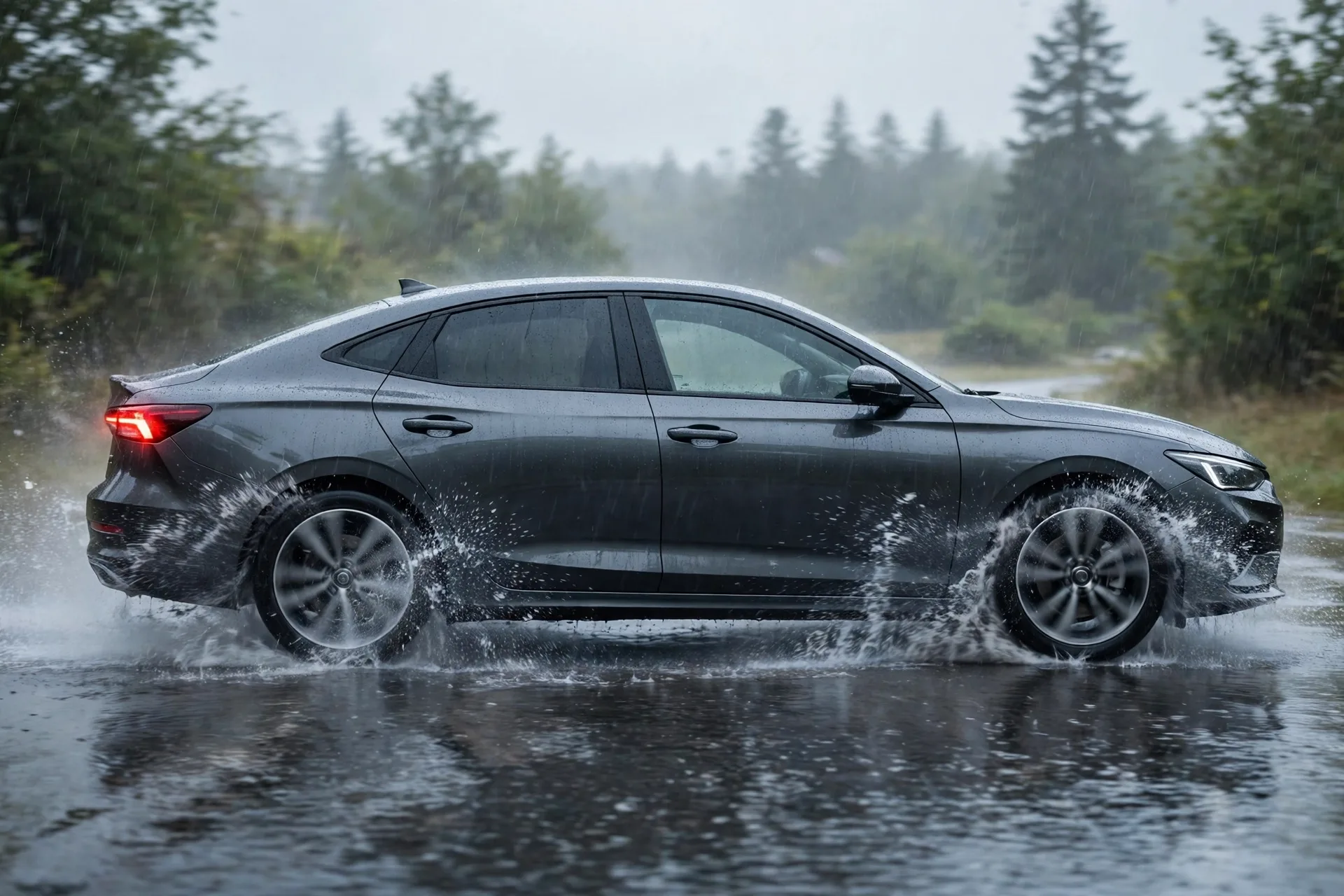
Your base brakes keep working with the ABS light on. The pedal feels normal in everyday driving, and that is exactly why people put this repair off for months. What you lose is the safety net: in a panic stop on wet pavement, ice, or gravel, a wheel can lock and skid instead of being pulsed back into grip, and your stopping distance gets longer. Traction and stability control may be out too, so the car is less forgiving when it slides.
Treat the ABS light like a winter deadline. It is fine to drive to the shop, and fine to drive for a short while in dry weather while you book the repair. It is not fine to roll into January with no ABS and hope the roads stay dry. Fix it before the first ice, not after the first skid.
DIY or Shop: The Verdict
If the code points to one wheel, the sensor bolts on externally, and you can get the wheel off and the rusted bolt out, this is a solid DIY job. If the sensor is hub integrated, the bolt is seized solid, or you cannot get an ABS-capable scan to identify the wheel, pay a shop. Paying for one hour of diagnosis beats buying four sensors on a guess, and a shop scan that names the exact wheel is money well spent either way.
FAQ
Can I drive with the ABS light on? Yes, for short trips in decent weather, since your regular brakes still work. Avoid hard driving in rain or snow, and get it fixed before winter conditions arrive.
Will an ABS light fail a state inspection? It depends on your state. Some inspection programs fail cars with warning lights illuminated, others only test emissions. Check your local inspection rules before your test date so the light does not turn into a failed sticker.
How long does a wheel speed sensor replacement take? An accessible sensor is often under an hour per wheel once the car is in the air. A rust seized bolt, a hub integrated design, or a sensor buried behind other parts can stretch that considerably.
Why did my ABS light come on right after brake work? The sensor or its wiring may have been bumped, unplugged, or damaged during the job, or debris may have gotten onto the tone ring. Go back to the shop that did the work first, since this is often a quick recheck rather than a new failure.
An ABS light is your car telling you its safety net is down, and nine times out of ten the fix is one sensor on one wheel. Scan it, find the wheel, and fix it before winter makes you wish you had. Start with the diagnosis steps above, and if the bearing is part of your problem, the 2021-2024 Cadillac Escalade, Front Wheel Bearing Replacement guide shows what a hub job involves.
Safety: Informational DIY. EZ Car Fix is not a shop or dealer.