The System Nobody Maintains (Until It Fails)
Your fuel system delivers precisely measured fuel to your engine thousands of times per minute. When it's clean and working properly, you get:
- Good fuel economy
- Smooth running
- Full power
- Clean emissions
When it's dirty or failing:
- Rough idle
- Hesitation
- Poorer fuel economy (often 2–3 MPG less when injectors are the cause)
- Hard starting
- Check engine light
- Eventually, expensive repairs
Most people never think about fuel system maintenance until they're facing up to a $1,200 fuel pump replacement or $600 injector service.
Let me show you how to avoid that.
How the Fuel System Works
Simple overview:
- Fuel tank stores gasoline
- Fuel pump (in tank) pressurizes fuel
- Fuel filter removes contaminants
- Fuel lines carry fuel to engine
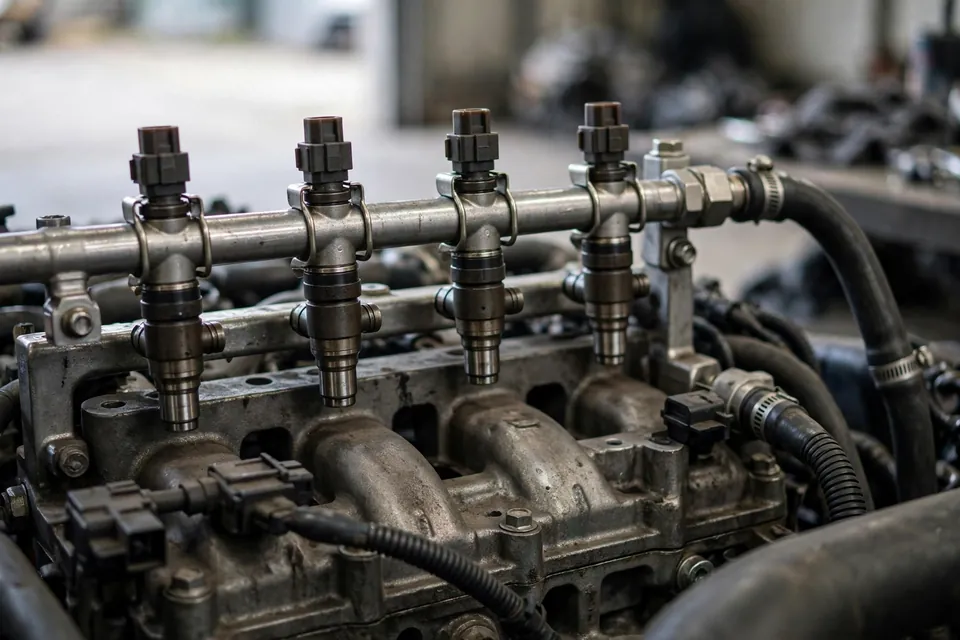
- Fuel rail distributes to injectors
- Injectors spray precise amount into cylinders
- Fuel pressure regulator maintains correct pressure
Most port-injected modern systems operate at 40-60 PSI (older carbureted systems used a low-pressure pump; direct-injection systems run far higher)
Everything must be clean - even microscopic particles clog injectors
Fuel Quality Matters

Where you buy gas matters:
Top tier gas (Chevron, Shell, Mobil, etc.):
- Contains detergent additives
- Keeps injectors clean
- Prevents carbon buildup
- Usually only a few cents more per gallon — often worth it
Cheap/no-name gas:
-
Minimal or no detergents
-
Can cause buildup over time
-
Saves money short-term, costs more long-term
Ethanol content:
- Most gas contains 10% ethanol (E10)
- Ethanol absorbs water
- Can cause corrosion in fuel system
- Older cars especially susceptible
- E15 for 2001+ vehicles where the manufacturer allows it; E85 only for flex-fuel vehicles
Bad gas happens:
- Water contamination (from bad station storage)
- Wrong octane delivered
- Contamination from old tanks
If you suspect bad gas:
- Don't keep driving (makes it worse)
- May need fuel system flush
- Might need to drop tank and clean it
Fuel Filter Replacement
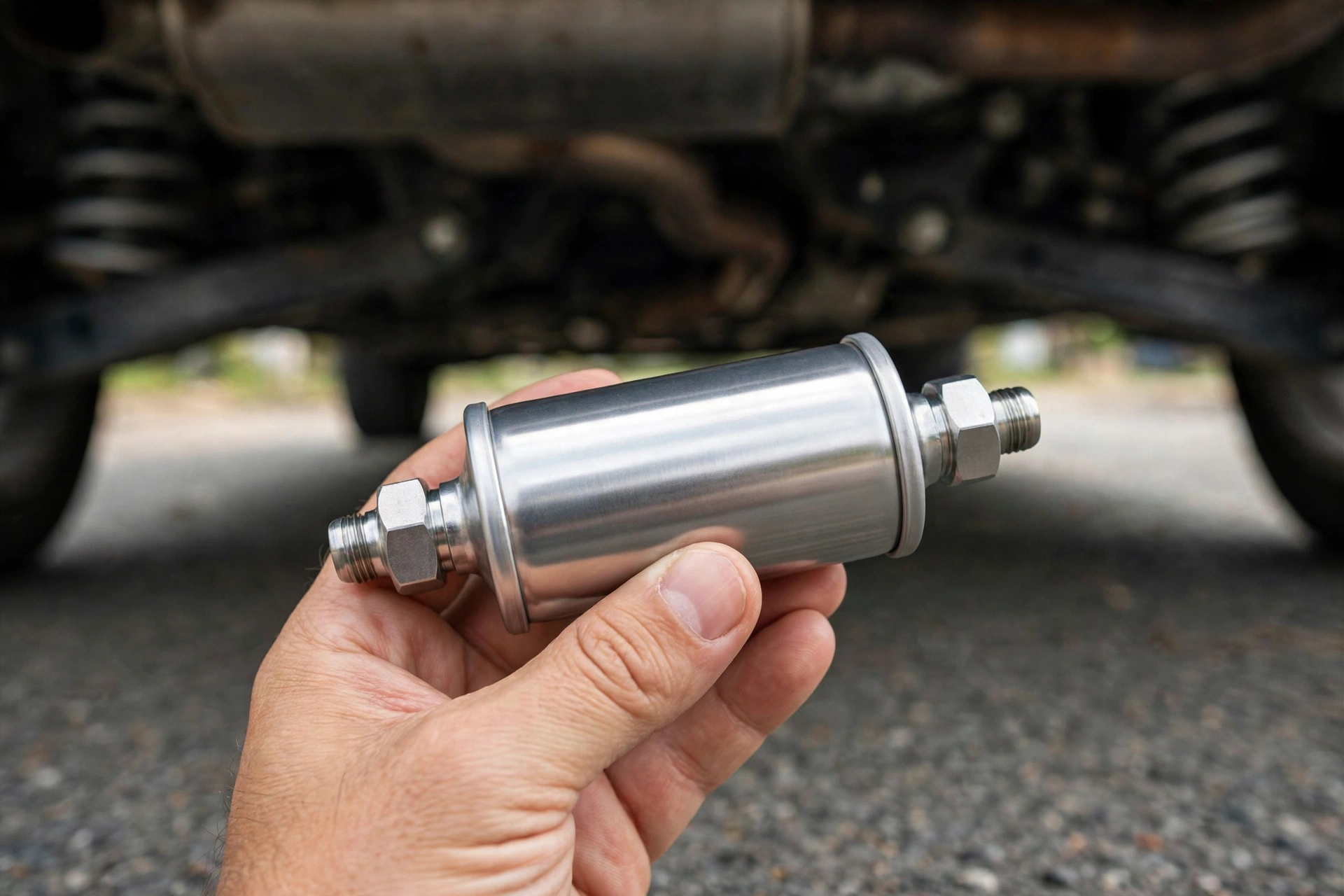
What it does: Catches dirt, rust, and debris before it reaches injectors
When to replace:
- Older cars (external filter): 20,000-40,000 miles
- Newer cars (in-tank filter): Often "lifetime" (100,000+ miles or never)
My recommendation: Replace at 30,000-40,000 miles if external and accessible
Signs filter is clogged:
- Engine hesitation under acceleration
- Hard starting
- Stalling
- Loss of power on hills
- Check engine light (lean codes)
Why it gets clogged:
- Dirty fuel
- Rust in tank (older cars)
- Sediment buildup
- Never been changed
DIY Fuel Filter Replacement
Difficulty: 3/10 to 7/10 (depends on location)
Some cars: Filter under car, easy to access, 2 clips, done in 10 minutes
Other cars: In-tank, requires dropping tank or pump assembly removal
Process (external filter):
- Relieve fuel pressure (usually pull fuel pump fuse, run engine until dies)
- Locate filter (usually along frame rail)
- Place rag underneath (fuel will spill)
- Disconnect fuel lines (clip or threaded fittings)
- Remove old filter
- Install new filter (check flow direction arrow)
- Reconnect lines
- Start engine, check for leaks
Important: Note flow direction arrow on filter - must match
Cost:
- Filter: $15-40
- Shop labor: $50-100
- Total DIY: $15-40
- Total shop: $65-140
In-tank filters: Usually not serviceable separately - whole pump assembly replaced when it fails
Related guide: 2019-2024 Ram 2500 - Fuel Filter Replacement — the full filter swap procedure including the fuel-system depressurization steps.
Fuel Injector Problems

What injectors do: Spray precise amount of fuel into cylinder at exact millisecond
When they're clogged:
- Spray pattern is wrong
- Flow is reduced
- Fuel distribution is uneven
Symptoms:
Rough idle:
- One or more cylinders not getting enough fuel
- Engine shakes
Misfires:
- Check engine light
- Codes P0300-P0308
- Can be from clogged injector
Poor fuel economy:
- Computer adds more fuel to compensate
- 10-20% worse MPG possible
Hesitation/stumbling:
- Especially when accelerating
- Injectors can't flow enough
Hard starting:
- Not enough fuel getting through
- Especially when cold
Failed emissions:
- Unburned fuel from poor spray pattern
Fuel Injector Cleaning
Three types:
1. Fuel additive cleaners (cheapest)
Examples: Techron, Lucas, Sea Foam, Redline
Process:
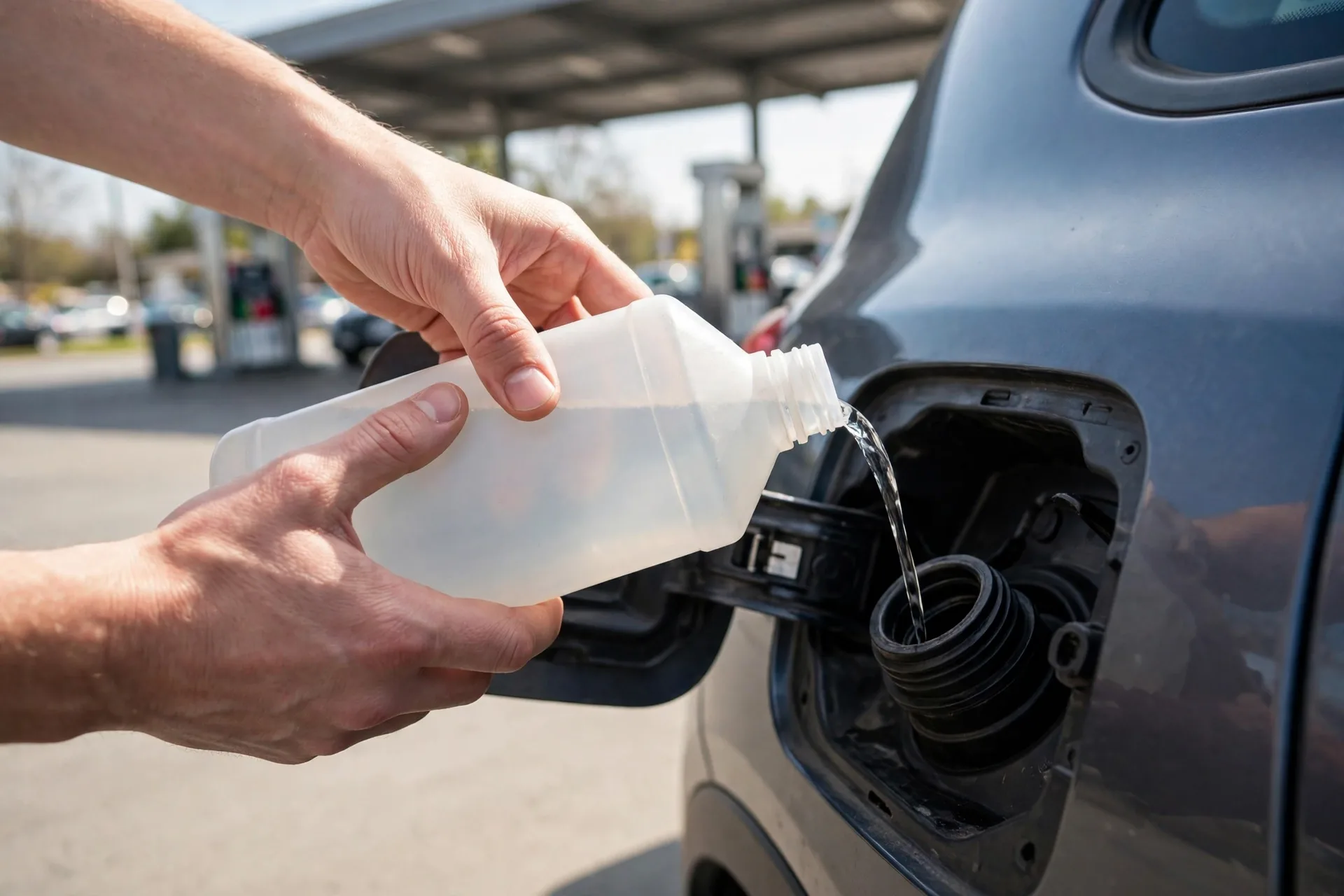
- Pour into tank
- Drive normally
- Detergents clean injectors over time
Cost: $10-25 per bottle
Effectiveness: Preventive or for minor buildup
My take: Use quality fuel additive every 3,000-5,000 miles as preventive maintenance
Best additives:
- Chevron Techron (my favorite)
- BG 44K
- Redline SI-1
- Lucas Fuel Treatment
2. On-car pressurized cleaning (mid-range)
Process:
- Shop connects cleaning machine to fuel rail
- Pressurized cleaner runs through injectors
- 30-45 minute service
Cost: $100-200
Effectiveness: Good for moderate buildup
When needed: Every 60,000-80,000 miles or when symptoms appear
3. Remove and ultrasonic clean (most effective)
Process:
- Remove injectors from engine
- Send to specialist or use ultrasonic cleaner
- Test flow rates
- Replace seals
- Reinstall
Cost: $300-600
Effectiveness: Most thorough, also tests injector function
When needed: Severe symptoms, very high mileage, or as part of engine rebuild
When to Replace Injectors
Injectors can fail:
- Clogged beyond cleaning
- Internal short (electrical failure)
- Stuck open (floods cylinder)
- Stuck closed (cylinder gets no fuel)
- Leaking (external or internal)
Cost to replace:
- Parts: $50-200 per injector
- Labor: $200-500 (often have to remove intake manifold)
- Total: $500-1,500 typically
Usually replace all at once if one fails (others are the same age and may fail soon)
High-mileage injectors:
- Over 150,000 miles, injector issues become more likely
- Cleaning might not work
- Replacement often makes sense
Related guide: Kia Sorento - Throttle Body Cleaning — carbon in the throttle body causes the same rough idle as dirty injectors, and cleaning it is a cheap first step.
Fuel Pump Problems
What it does: Pressurizes fuel from tank to engine
Located: Inside fuel tank (most modern cars)
Lifespan: 100,000-200,000 miles typically
Signs of failure:
Whining noise from tank:
- Pump is dying
- Gets louder over time
- Usually noticeable with windows down
Engine hesitation at highway speed:
- Pump can't maintain pressure under load
- Intermittent power loss
Hard starting:
- Pump taking long time to prime
- Especially after sitting
Won't start:
- Pump completely failed
- No fuel pressure
Stalling:
- Pump cutting out intermittently
Check engine light:
- Fuel pressure or fuel system codes
Fuel Pump Diagnosis
Listening test:
- Turn key to ON (don't start)
- Listen at fuel tank
- Should hear pump run for 2-3 seconds
- If no sound, pump likely dead
Pressure test:
- Connect fuel pressure gauge to test port
- Start engine
- Should read 40-60 PSI (check specs)
- If low, pump is weak or filter is clogged
Fuel Pump Replacement
Difficulty: 4/10 to 8/10
Two methods:
Drop the tank:
- More labor intensive
- Safer (tank empty)
- Better access
- 2-4 hours
Through access panel (if your car has one):
- Use the factory access panel if your car has one (often under the rear seat)
- Some DIYers cut their own hole, but that's risky near wiring and the tank — dropping the tank is the safer route
- 1-2 hours
Cost:
- Pump assembly: $200-600
- Labor: $300-800
- Total: $500-1,400
More expensive on:
- AWD vehicles (must drop exhaust, driveshaft, etc.)
- Luxury vehicles
- Diesel trucks
Prevention:
- Don't run tank below 1/4 (pump uses fuel for cooling)
- Use quality fuel
- Replace fuel filter on schedule
Related guide: 2005-2010 Pontiac G6 - Fuel Pump Replacement — the complete pump replacement procedure when prevention comes too late.
Fuel Pressure Regulator
What it does: Maintains constant fuel pressure
Located: On fuel rail or in tank (depending on car)
When it fails:
Stuck open:
- Low fuel pressure
- Hard starting
- Poor performance
- Black smoke
Stuck closed:
- High fuel pressure
- Rough running
- Rich condition
- Fuel smell
Vacuum leak (older style):
- Gasoline in vacuum line
- Smoke from exhaust
- Rich running
Cost to replace: $100-400 typically
Preventive Fuel System Maintenance
What you should do:
Use quality fuel:
- Top tier brands when possible
- Correct octane for your engine
- Fill at busy stations (fresh fuel)
Keep tank above 1/4:
- Prevents pump from overheating
- Reduces sediment pickup
- Fuel cools pump
Fuel additive every 3,000-5,000 miles:
- Techron, BG 44K, Redline SI-1
- Keeps injectors clean
- Cheap insurance
Replace fuel filter on schedule:
- 30,000-40,000 miles if external
- Or when symptoms appear
Professional cleaning:
- Every 60,000-80,000 miles
- Or when symptoms appear
- $100-200 preventive vs $1,000+ reactive
Avoid:
- Running tank to empty repeatedly
- Cheapest gas from questionable stations
- Ignoring symptoms
- Using wrong octane
Octane: What You Actually Need
Octane rating = resistance to knock (pre-ignition)
87 (Regular): Most cars 89 (Mid-grade): Rarely needed 91-93 (Premium): High-compression or turbo engines
Use what your manual says:
- If it says "87 or higher" - use 87
- If it says "91 required" - use 91+
- If it says "91 recommended" - 91 is better but 87 works
Higher octane doesn't give better MPG unless your engine requires it
Using lower than required:
- Engine may knock/ping
- Computer retards timing
- Slight power loss
- Can cause damage over time
Using higher than needed:
- Wastes money
- No benefit
- Doesn't clean engine
- Doesn't improve MPG
Ethanol and Your Fuel System
E10 (10% ethanol): Safe for all cars 2001+
E15 (15% ethanol): Only for 2001+ vehicles labeled as E15 compatible
E85 (85% ethanol): Only for flex-fuel vehicles
Ethanol issues:
- Absorbs water
- Can corrode fuel system components (especially older cars)
- Reduces fuel economy (3-5%)
- Can damage non-compatible engines
For older cars (pre-2001):
- E10 can cause problems
- Seek ethanol-free gas if available
- Or use fuel stabilizer
The Bottom Line
Fuel system maintenance is cheap and prevents expensive repairs:
Do this:
- Use quality fuel (top tier brands)
- Keep tank above 1/4 full
- Use fuel system cleaner every 3,000-5,000 miles
- Replace fuel filter at 30,000-40,000 miles if external
- Professional injector cleaning at 60,000-80,000 miles
- Address symptoms promptly
Prevents:
- Clogged injectors ($600 to clean, $1,500 to replace)
- Failed fuel pump ($500-1,400)
- Poor fuel economy
- Engine damage from lean/rich conditions
- Check engine lights
Cost:
- Fuel additive: $10-25 every few months
- Fuel filter: $40 every 40,000 miles
- Professional cleaning: $150 every 80,000 miles
- Total: ~$50/year
vs. Neglect:
- Injector service: $600
- Fuel pump: $1,000
- Worse MPG: $200/year
- Total: Much more expensive
Fuel system maintenance can pay for itself in improved fuel economy alone.
Questions? Drop them below.
- Roberto Gil
Last reviewed: October 2026.