The System That Prevents $2,000 Engine Damage
Your cooling system keeps engine temperature around 195-220°F on most cars. Too cold, engine wears faster. Too hot, engine destroys itself.
I've seen engines destroyed from overheating:
- Blown head gaskets ($1,500-2,500)
- Warped cylinder heads ($2,000-3,500)
- Cracked engine blocks ($4,000-8,000)
All preventable with basic cooling system maintenance.
People ignore the temperature gauge until it's too late. Or they see a small coolant leak and put it off. Then one day, gauge is in the red, steam pouring out, engine is done.
Let me show you how to prevent this nightmare.
How the Cooling System Works
Main components:
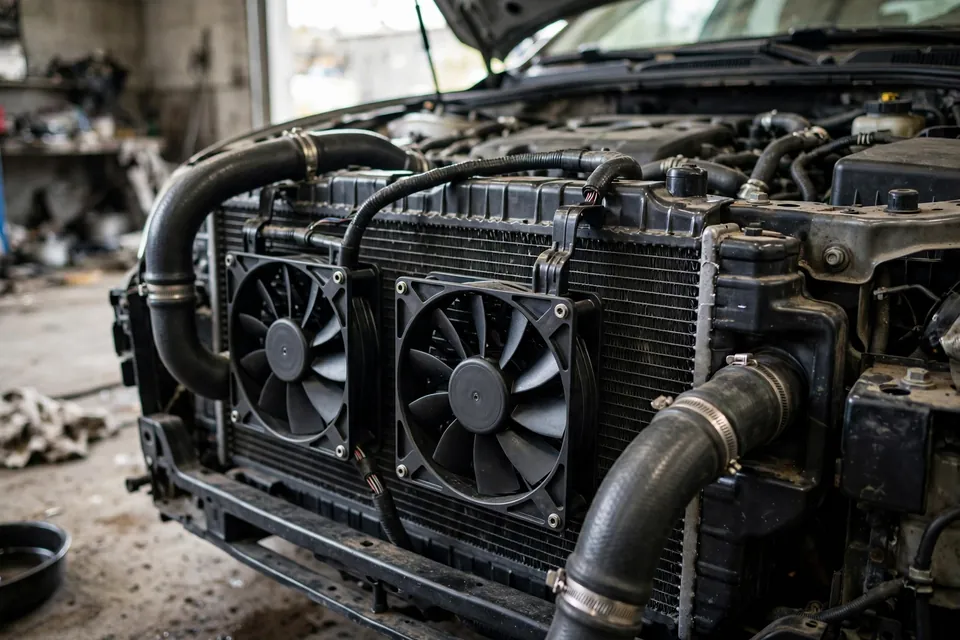
Radiator:
- Heat exchanger at front of car
- Cools hot coolant with air flow
- Has tubes and fins for cooling
Water pump:
- Circulates coolant through engine and radiator
- Belt or timing belt driven
- Impeller inside pushes coolant
Thermostat:
- Valve that controls coolant flow
- Closed when cold (helps engine warm up)
- Opens when hot (allows cooling)
- Usually opens at 180-195°F
Hoses:
- Upper and lower radiator hoses
- Heater hoses
- Bypass hoses
- Carry coolant between components
Radiator cap:
- Pressurizes system (15 PSI typically)
- Raises boiling point of coolant
- Has pressure relief valve
Coolant (antifreeze):
- 50/50 mix with water
- Raises boiling point, lowers freezing point
- Contains corrosion inhibitors
- Lubricates water pump
Cooling fans:
- Electric or mechanical
- Pull air through radiator when needed
- Run when AC on or engine hot
How it works:
- Water pump circulates coolant
- Coolant flows through engine, absorbs heat
- Hot coolant flows to radiator
- Air cools coolant in radiator
- Cool coolant returns to engine
- Cycle repeats continuously

Signs of Cooling System Problems
Temperature Gauge Rising
Normal: Middle of gauge (195-220°F)
Problem: Needle climbing toward hot
Immediate action needed if gauge enters red zone
Don't ignore early warning - rising temp means something is wrong
Steam from Hood
White steam/smoke from front:
- Coolant boiling
- Leaking onto hot engine
- Overheating
STOP IMMEDIATELY - continuing to drive causes severe damage
Coolant Leaks
Puddles under car:
- Sweet smell (ethylene glycol)
- Bright green, orange, pink, or yellow
- Usually under front of car
Common leak points:
- Radiator
- Hoses
- Water pump
- Heater core
- Thermostat housing
- Head gasket (internal)
Low Coolant Warning Light
Dashboard warning:
- Coolant level sensor triggered
- Level dangerously low
Check immediately - running low causes overheating
Sweet Smell Inside Car
Maple syrup or sweet smell:
- Coolant leaking from heater core
- Often with foggy windshield
- Wet passenger floor
Heater core is leaking - expensive repair
White Exhaust Smoke
Thick white smoke:
- Sweet smell
- Doesn't clear up when warm
Coolant burning in combustion chamber - head gasket blown
Rough Idle After Warming Up
Engine idles rough when hot:
- Could be air in cooling system
- From head gasket leak
- Combustion gases in coolant
Oil Looks Milky
Check oil on dipstick:
- Looks like chocolate milk
- Tan or milky appearance
Coolant mixing with oil - blown head gasket or cracked head
This is serious - don't drive
Radiator Problems
Leaking Radiator
Causes:
- Corrosion (old coolant)
- Impact damage (road debris)
- Plastic tanks crack (age)
- Seams separate
Symptoms:
- Coolant puddles
- Low coolant level
- Overheating
- Visible leak from radiator
Fix: Replace radiator
Cost: $200-600 installed
Can't really repair modern radiators - plastic tanks don't weld
Clogged Radiator
Inside clogs:
- Scale buildup from old coolant
- Rust and debris
- Restricted coolant flow
Outside clogs:
- Bugs, leaves, dirt in fins
- Blocks airflow
- Prevents cooling
Symptoms:
- Overheating at idle or low speeds
- Normal at highway (more airflow)
Fix:
- Flush system (internal)
- Clean fins with hose (external)
- Replace if severely clogged
Radiator Cap Failure
Cap maintains pressure:
- System runs at 15 PSI
- Raises boiling point
- If cap fails, coolant boils at lower temp
Symptoms:
- Coolant boiling/overflowing
- Overheating
- Hose collapse
Fix: Replace cap ($10-20)
Always try new cap first when diagnosing overheating
Related guide: 2014-2020 Nissan Rogue - Radiator Replacement — a full step-by-step radiator swap if yours is cracked or clogged beyond repair.
Thermostat Failure
What it does: Regulates coolant flow
Stuck Closed
Thermostat won't open:
- Coolant can't flow to radiator
- Engine overheats quickly
- Often within 5-10 minutes
Very dangerous - causes rapid overheating
Stuck Open
Thermostat always open:
- Coolant always flowing
- Engine runs too cool
- Takes forever to warm up
- Poor heater performance
- Worse fuel economy
- Check engine light (coolant temp too low)
Less dangerous but still wrong
Replacement
Cost:
- Part: $10-40
- Labor: 0.5-1.5 hours ($50-150)
- Coolant: $20
- Total: $80-210
Easy DIY on many cars
Process:
- Drain coolant
- Remove thermostat housing
- Remove old thermostat
- Install new thermostat (correct orientation)
- New gasket
- Reassemble
- Refill coolant
- Burp air from system
Related guide: 2011-2015 Chevrolet Cruze - Thermostat Replacement — the complete thermostat replacement walkthrough including the gasket and coolant refill.
Water Pump Failure

Circulates coolant - critical component
Symptoms
Leaking:
- Coolant dripping from weep hole
- Wet area on pump
Bad bearing:
- Grinding or squealing noise
- Play in pulley (wobbles)
Failed impeller:
- Overheating
- Poor circulation
- No external symptoms
Causes of Failure
Age:
- Typical lifespan: 60,000-100,000 miles
- Bearings wear out
- Seals fail
Contaminated coolant:
- Old coolant loses lubrication
- Corrodes pump
Wrong coolant:
- Incompatible types damage pump
Replacement Cost
If separate from timing belt:
- Part: $50-150
- Labor: 1-3 hours ($100-300)
- Total: $150-450
If driven by timing belt:
- Should replace during timing belt service
- Labor is same (already in there)
- Add $50-150 to timing belt job
Cooling Hose Failure
Hoses carry coolant between components
Failure Symptoms
Visible cracks:
- Surface cracking
- Deep cracks
- Especially at bends
Soft/squishy:
- Rubber degraded
- About to burst
Bulging:
- Weak spot in hose
- Will burst soon
Leaking:
- At hose connections
- Through cracks
- Burst hose (catastrophic)
When to Replace
Preventive replacement:
- Every 50,000-80,000 miles
- Or when showing wear
- During other cooling system work
Hoses are cheap ($20-60) compared to being stranded
Cost:
- Upper radiator hose: $20-40
- Lower radiator hose: $20-40
- Heater hoses: $15-30
- Labor: $50-150 (depending on access)
Related guide: 2016-2025 Chevrolet Malibu - Radiator Hose Replacement — how to replace swollen or cracked radiator hoses before they burst.
Overheating: What to Do
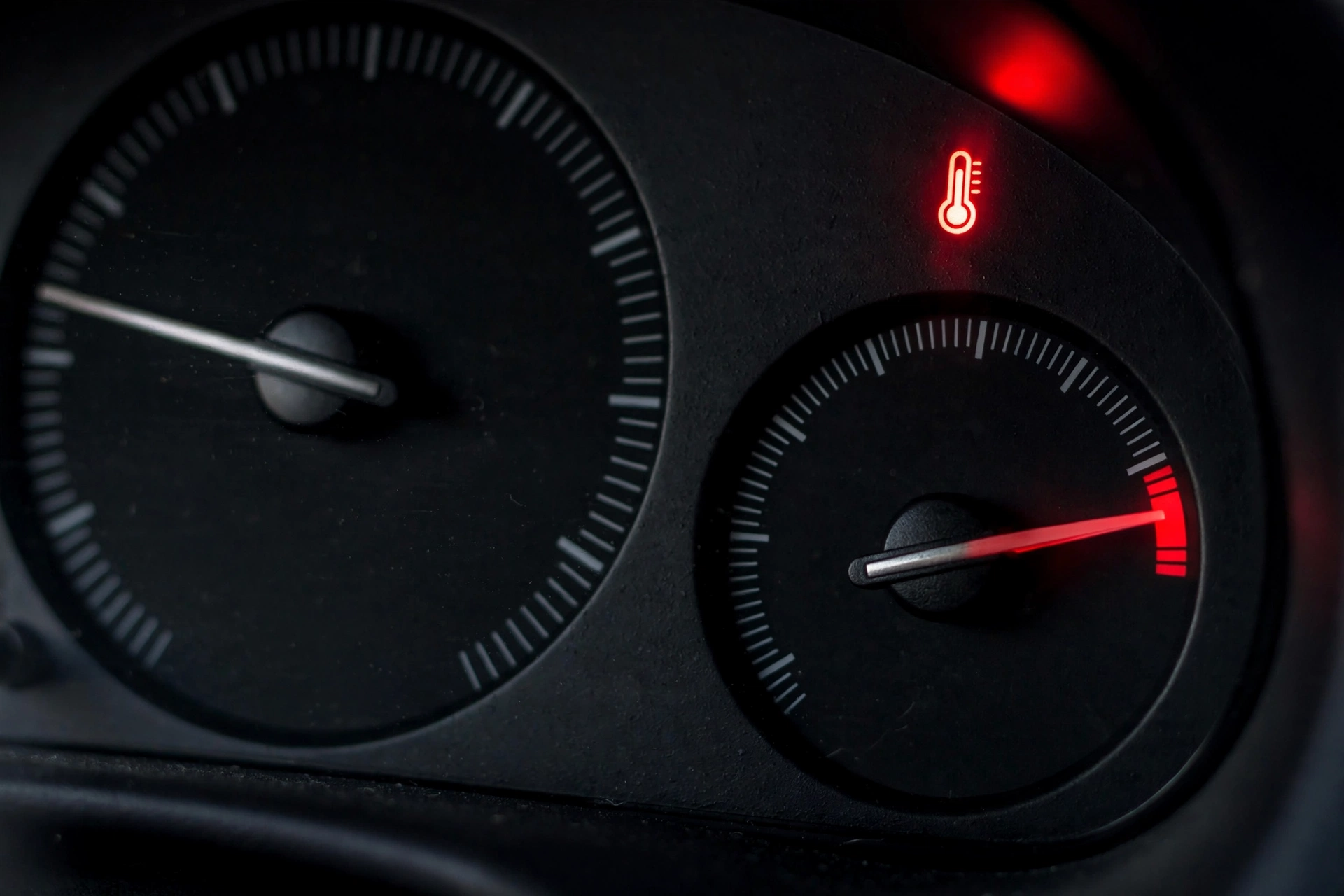
If temperature gauge rises into red:
Immediate actions:
- Turn off AC (reduces heat load)
- Turn heater to max (pulls heat from engine)
- Pull over safely as soon as possible
- Turn off engine
- Do NOT remove radiator cap (hot coolant under pressure)
- Wait 30+ minutes for engine to cool
- Check coolant level (when cool)
- Call for tow (don't drive with overheating)
If you keep driving:
- Head gasket will blow ($1,500-2,500)
- Head will warp ($2,000-3,500)
- Block might crack ($4,000-8,000)
Never worth the risk

Cooling System Maintenance
Coolant Flush Schedule
Traditional green coolant:
- Every 30,000 miles or 2 years
Extended life coolant (orange, pink):
- Every 100,000-150,000 miles or 5-10 years
Check your manual - varies by coolant type
Why flush:
- Removes rust and scale
- Replaces degraded coolant
- Replenishes corrosion inhibitors
- Prevents pump and radiator damage
Cost: $80-150 at shop
Check Coolant Level Regularly
Every oil change:
- Check coolant reservoir level
- Should be between MIN and MAX
- Check when engine cold
Losing coolant? Find the leak
Inspect Hoses
Every 6 months:
- Squeeze hoses (should be firm)
- Look for cracks
- Check for bulges
- Check clamps for tightness
Replace if questionable
Test Radiator Cap
Shops can pressure test cap:
- Should hold 15 PSI (or rated pressure)
- If leaks, replace
Cheap test, cheap part if bad
Related guide: Ford F-150 - Coolant Flush — the full flush procedure to keep fresh coolant protecting the system.
Types of Coolant
Don't mix types
Green (traditional):
- Ethylene glycol
- 2-3 year life
- Older formula
Orange (Dex-Cool):
- GM vehicles mostly
- 5 year life
- Extended life formula
Pink/Red:
- Toyota, Lexus
- Long life
Yellow/Gold:
- Some European cars
- Long life
Blue:
- Some Honda
- Long life
Use what manufacturer specifies - wrong coolant causes problems
Can't mix different colors/types - creates sludge
Head Gasket Failure (From Overheating)
Most common catastrophic damage from overheating
Symptoms:
- White exhaust smoke
- Milky oil
- Overheating
- Loss of coolant
- Bubbles in radiator
- Rough idle
Cost to fix: $1,500-2,500
Requires:
- Remove cylinder head(s)
- Machine head flat
- New head gasket
- New head bolts
- Resurface head
Can be prevented by addressing overheating immediately
The Bottom Line
Cooling system maintenance prevents expensive engine damage:
Maintain:
- Flush coolant on schedule
- Check level regularly
- Replace hoses preventively
- Fix leaks promptly
- Test pressure cap
Watch for symptoms:
- Rising temperature
- Leaks
- Steam
- Sweet smell
- Warning lights
Act immediately if overheating:
- Pull over
- Turn off engine
- Don't keep driving
- Get towed
Common repairs:
- Thermostat: $80-210
- Radiator: $200-600
- Water pump: $150-450
- Hoses: $70-200
- Radiator cap: $10-20
vs. Overheating damage:
- Head gasket: $1,500-2,500
- Warped head: $2,000-3,500
- Cracked block: $4,000-8,000
$200 in maintenance beats $2,000 in engine repairs.
Questions? Drop them below.
- Tom Becker, Senior Technician
Last reviewed: October 2026.