Remote Start Not Working: Causes and Install Cost
Your remote start worked last winter and now it does nothing. Nine times out of ten the problem is not the remote starter itself. It is the key fob battery, a hood switch, or the car refusing to start for a reason that has nothing to do with the remote system. Work through the cheap causes first before you pay anyone to touch the wiring.
Remote start systems, factory or aftermarket, all do the same thing: they fake a key turn. They power the ignition, crank the starter, and watch for the engine to catch. Anything that would stop a normal key start also stops a remote start, and the system adds its own layer of safety switches on top. That is why the fix is usually simple and why guessing at the module is a waste of money.
Why Your Remote Start Stopped Working
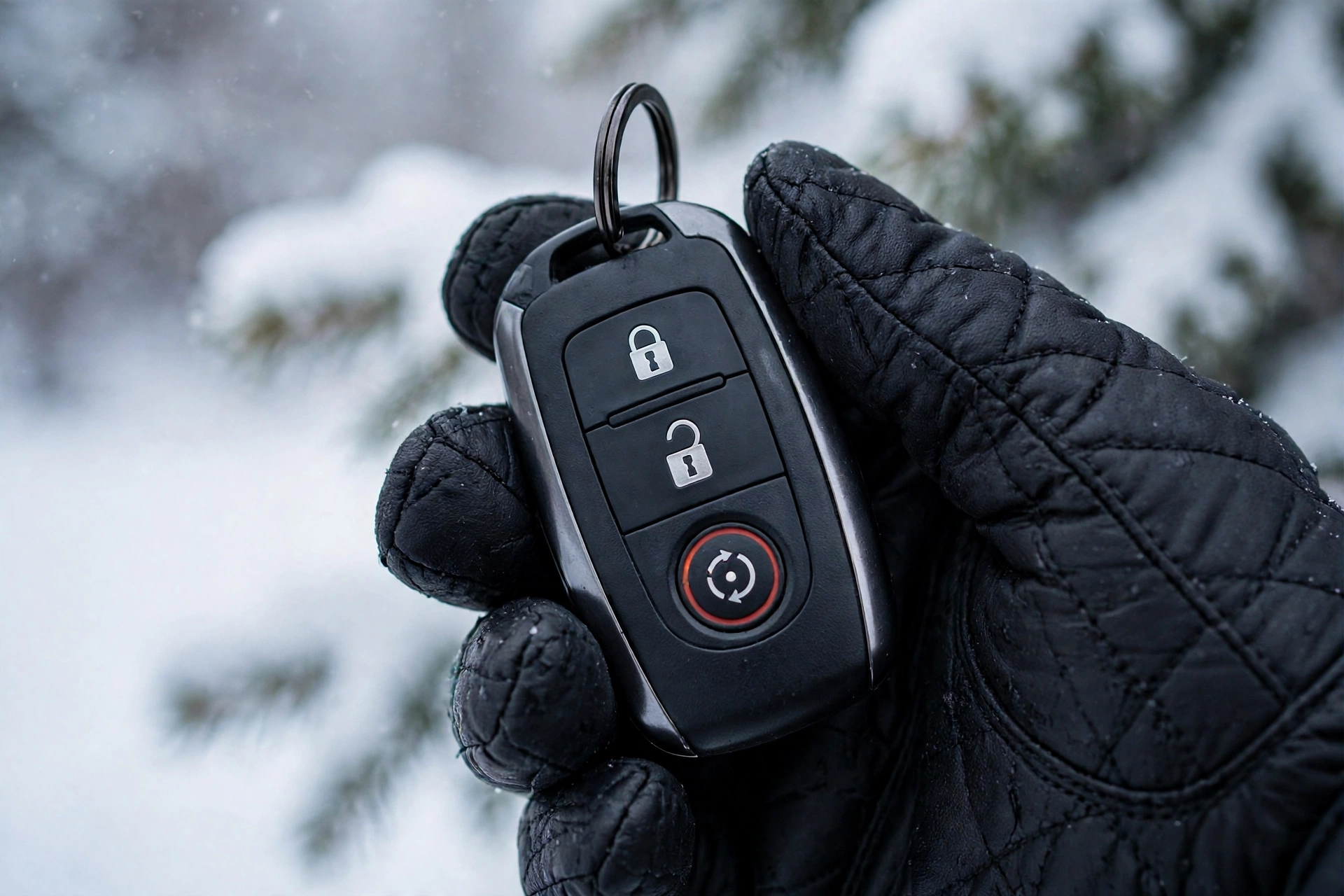
Start with the fob. A weak fob battery is the single most common cause of a remote start that works sometimes or only works from a few feet away. The lock and unlock buttons still work because they need less signal strength than the start command. Swap the fob battery first. It is a cheap part and a two minute job, and it fixes more dead remote starts than any other single step.
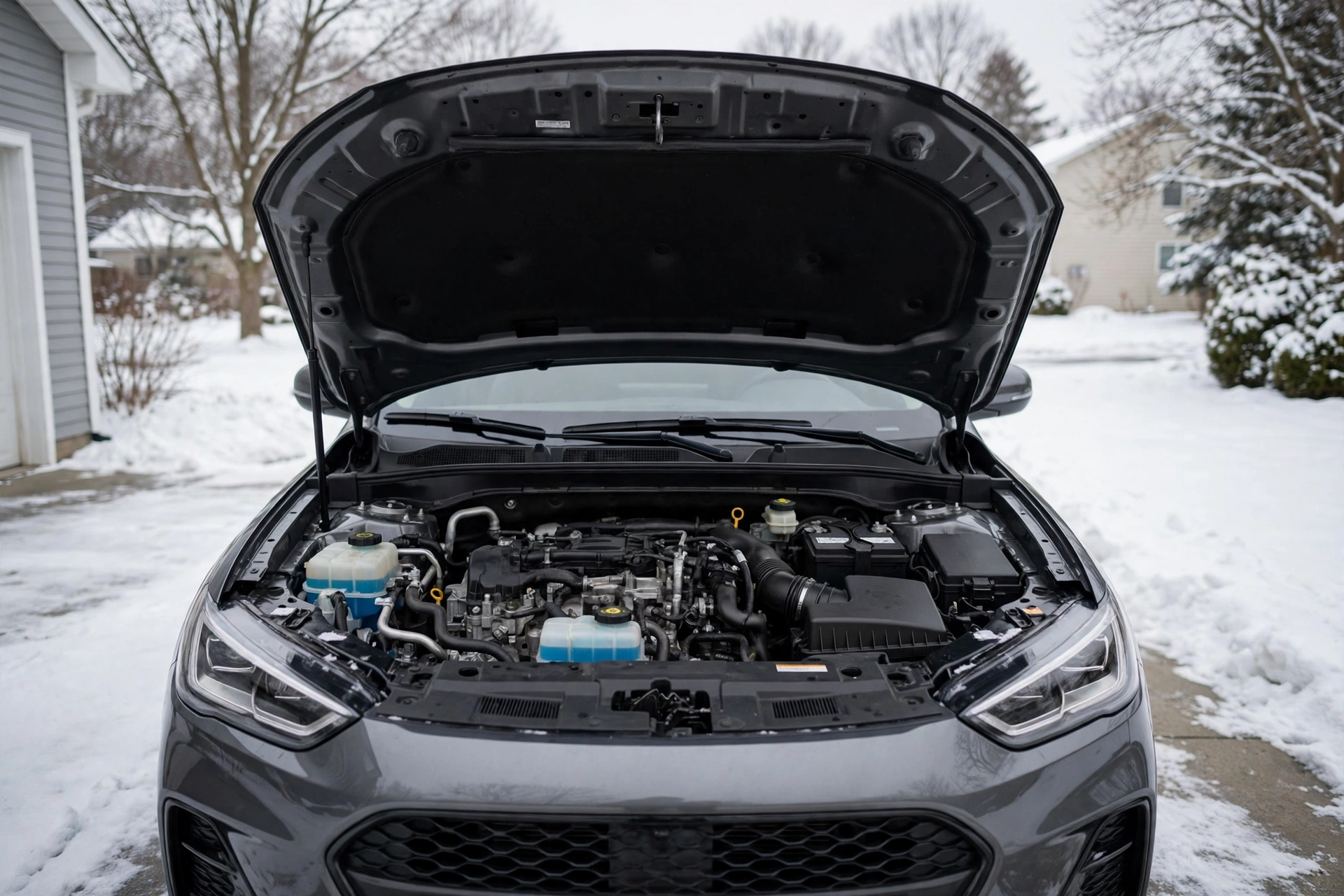
Next, check the hood. Every remote start system has a hood pin switch that kills the start if the hood is open, so nobody gets hurt by a fan or belt while working under it. If that switch is stuck or corroded, the system thinks the hood is open and refuses to crank. Open the hood, find the small plunger switch near the latch, and press it by hand. If it feels stuck or gritty, clean it and work it a few times.
The car itself can also veto the start. Most systems will not remote start if the check engine light is on, if a door is ajar, or if the fuel level is very low. If your check engine light came on the same week the remote start quit, the light is probably the cause, not a coincidence. Fix the code first.
A weak car battery is another quiet culprit. Remote start cranks the engine cold, often in freezing weather, and a battery that still starts the car with the key in mild weather can fail the extra demand of a remote start on a cold morning. If the car cranks slowly or clicks when you use the key, the battery is the problem, not the remote starter.
Other common causes:
- Valet mode got turned on by accident. Many aftermarket systems have a valet or service mode, usually toggled by a hidden switch or a button sequence on the fob. In valet mode the remote start is disabled but everything else works. Check your system manual for the toggle sequence.
- The fob lost its pairing. A dead fob battery, a car battery disconnect, or a module reset can unpair the fob. The fix is a re-pairing procedure, which is usually a specific sequence of ignition cycles and button presses. Your installer or the system manual has the exact steps.
- A blown fuse in the remote start harness. Aftermarket systems have their own inline fuses. If the whole system is dead, check those fuses before anything else.
- The brake switch or tach signal. The module needs to see the brake pedal and needs a tach signal to know the engine is running. A failed brake light switch or a lost tach wire makes the system crank and then shut off, or refuse to crank at all.
How to Diagnose It Step by Step
Work in this order. Stop as soon as the system starts working again.
- Replace the fob battery. Use a fresh battery, not one from a drawer. Test the remote start from ten feet away with a clear line of sight.
- Try the second fob. If you have one and it works, the first fob is the problem. If neither works, the problem is in the car.
- Check the dashboard. Look for a check engine light, a door ajar warning, or a low fuel warning. Clear the condition and try again.
- Start the car with the key. If it cranks slowly, clicks, or will not start at all, diagnose the battery and starter first. A remote start cannot fix a car that will not start with a key.
- Open and close the hood firmly. Then try the remote start again. If it works, the hood pin switch is sticking and needs cleaning or replacement.
- Check for valet mode. Look for a small toggle switch under the dash, often installed near the steering column. Flip it and try again. If you do not know the toggle sequence for your system, call the shop that installed it.
- Check the remote start fuses. Find the inline fuse holders on the module wiring, usually under the dash. A blown fuse means something shorted, so if a new fuse blows right away, stop and get it checked.
- Try it with the parking brake set and all doors closed. Some systems are picky about the exact state of the car. If it works with everything closed and set, one of the safety switches is marginal.
If the system cranks the engine and then shuts it off after a few seconds, the module is not seeing the tach signal or the engine is stalling. That is a wiring or sensor issue, not a fob issue, and it is installer territory.
If the system does nothing at all, no click, no lights, no crank, and the fobs and fuses are good, the module itself may have failed or lost power. Modules do fail, but they fail far less often than people think. Rule out everything else first.
What a Remote Start Costs to Install
There is no single price for a remote start because the job splits into two parts, the hardware and the labor, and both vary a lot by car.
The hardware is the cheaper half for most cars. A basic one-way system, press a button and the car starts, is a cheap part in the world of car electronics. A two-way system that confirms back to the fob that the car actually started costs more, and a system that adds smartphone control costs more again, because it needs a cellular module and usually a yearly service plan.
The labor is where the money goes. A remote start install is mostly labor. The installer has to tap into the ignition wiring, the starter wire, the brake switch, the door locks, and the tach signal, and on newer cars that means working with the car's computer network rather than simple wires. Some cars need a bypass module so the system can talk to the factory immobilizer, and that module adds both parts cost and install time.
Older cars with a plain metal key are the cheapest installs. Newer cars with push-button start and a factory immobilizer cost more, because the bypass is more involved and the install takes longer. A basic install on a simple car is a mid-range job. The same system on a push-button-start car with a factory alarm is a big-ticket job, mostly because of the extra labor hours. Dealers charge more than independent shops for the same system, and they usually install only the factory system for your make. Get the quote in writing and ask whether it includes the bypass module, the fob, and programming.
If you already have a system and it just needs a repair, most fixes are cheap. A fob battery, a hood switch, or a fuse is a cheap part. Re-pairing a fob is usually a quick job. A failed module or a wiring fault is the expensive end, because it means diagnosis time and possibly a new module.
DIY vs Shop Verdict
Diagnose it yourself. Fixing a dead remote start is a DIY job when the cause is a fob battery, a hood switch, a fuse, or valet mode. Those are the causes most of the time, and they cost almost nothing.
Do not DIY the wiring. If the diagnosis points at the module, the tach wire, or the bypass, take it to the shop that installed it, or to a shop that installs the same brand. Remote start wiring runs through the ignition and immobilizer circuits. A wrong connection can leave you with a car that will not start at all, or worse, a car that starts in gear. That is not a job for a first attempt.
If you are buying a new system, pay for the install. The hardware is the small part of the bill and the install is the part that decides whether the system works reliably for years or gives you problems every winter. A good install on a basic system beats a sloppy install on a fancy one.
Related Guides
- 2017-2021 Acura MDX - Starter: if the car will not crank at all, even with the key, the starter is a likely suspect.
- 2023-2026 Acura Integra — Battery Replacement: a weak battery fails remote starts first, because cold cranking is the hardest thing you ask of it.
- Key Fob Battery Replacement: The 2-Minute Fix: the exact fob battery swap that fixes most dead remote starts.
- Car Won't Start Even With a Jump: What's Next: when the car will not start with the key either, the problem is not the remote system.
- Ignition Key Won't Turn: Causes and Fixes: if the key itself is fighting you, fix the ignition before blaming the remote starter.
FAQ
Why does my remote start work sometimes and not others? Intermittent remote start is almost always a weak fob battery, a sticking hood switch, or low car battery voltage. All three get worse in cold weather, which is why the problem shows up in winter. Replace the fob battery first, then check the hood switch.
Does remote start drain the car battery? The module draws a tiny amount of power when parked, about the same as the car's own computers. It will not kill a healthy battery. If your battery dies overnight after an install, the install has a wiring fault, or the battery was already weak.
How far should my remote start work from? A basic one-way fob works from a few hundred feet with a clear line of sight. Walls, parking garages, and other cars cut that down fast. Two-way systems and smartphone control work from much farther because they do not rely on the fob radio alone.
The Take
A remote start that quits is usually telling you something simple. Change the fob battery, check the hood switch, and make sure the car itself is happy. That fixes most of them for the price of a coin battery. If it still will not start after that, the problem is in the wiring or the module, and that is a job for the shop that installed it. And if you are buying new, remember the install matters more than the box. Pay for a good install on a basic system and it will start your car on the coldest morning of the year. Cheap out on the install and you will be troubleshooting it every winter.
Safety: Informational DIY. EZ Car Fix is not a shop or dealer.