Frozen Car Door Won't Open: What to Do
Push the door in before you pull it out. That sounds backwards, but it works more often than anything else. Pressing the door toward the car cracks the ice holding the rubber seal to the body, and then the door opens with a normal pull. If that fails, warm the seal with a jug of warm water or a spray of lock de-icer, wait a minute, and try again. Do not yank the handle. A frozen handle and a frozen latch break easily, and a broken handle turns a free fix into a shop visit.
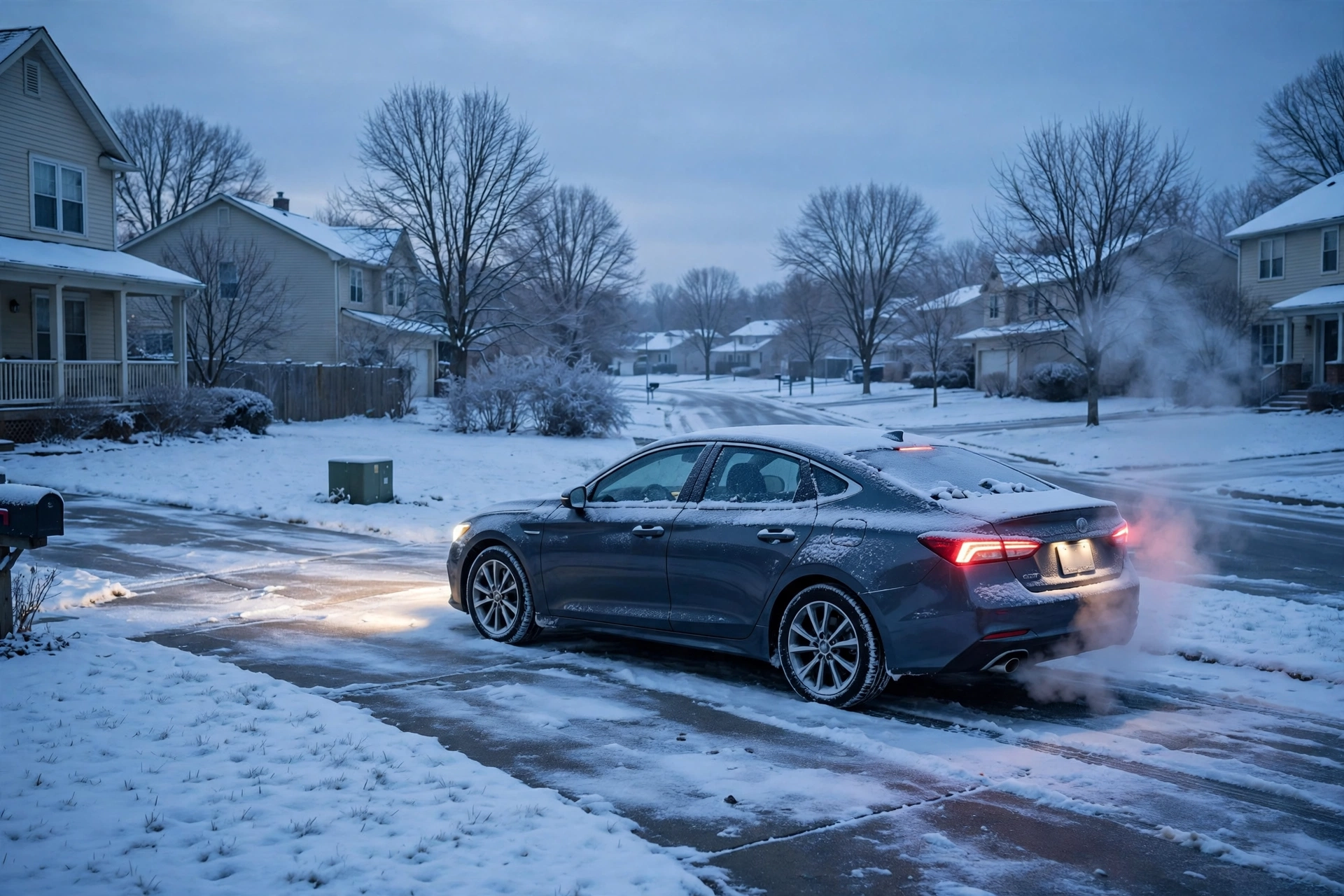
A frozen door is almost never a serious problem. Rain or melting snow runs into the gap around the door, the temperature drops below 32 degrees overnight, and the rubber seal glues itself to the body. The lock cylinder can freeze the same way. Both have simple fixes.
Why a Car Door Freezes Shut
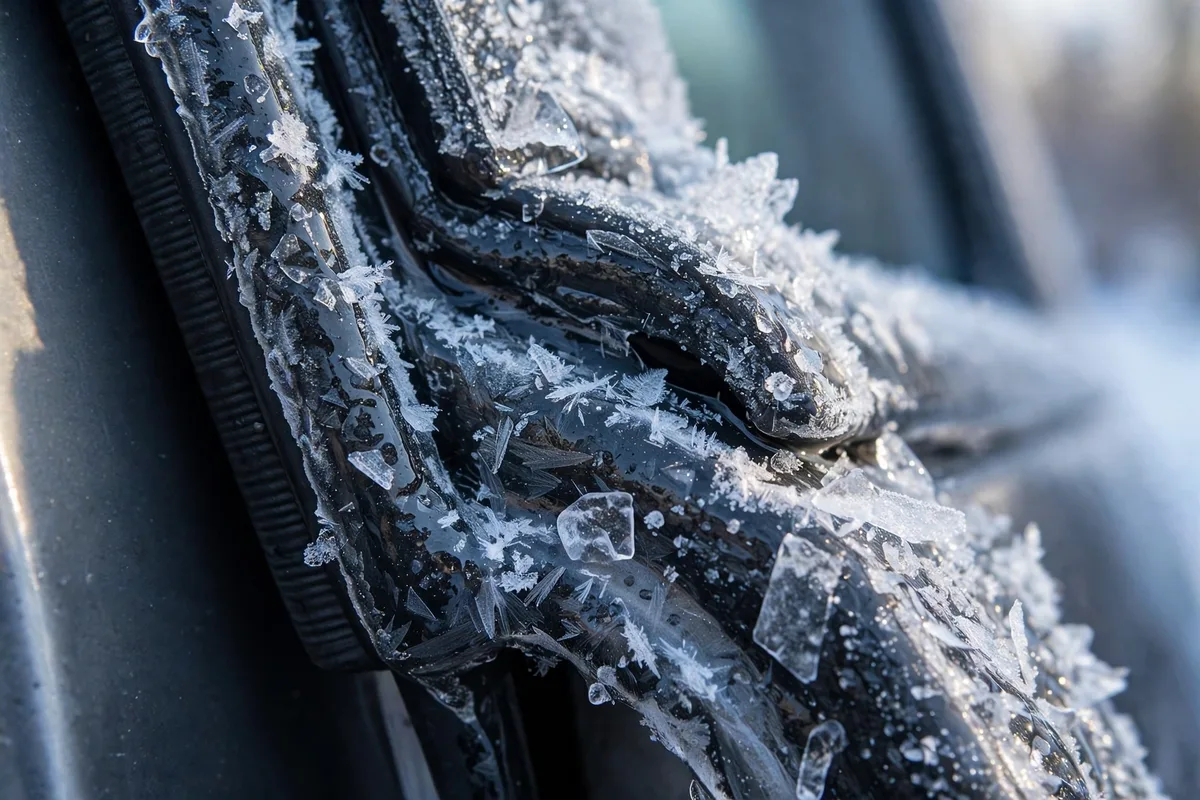
Three things can freeze, and each one feels different when you try the door.
The door seal is the usual culprit. The rubber weatherstrip around the door opening gets wet, the temperature drops, and the seal bonds to the painted metal. The handle moves, the latch clicks, but the door itself will not budge. This is the most common freeze, and the easiest to fix.
The lock cylinder freezes when water gets inside the keyhole and turns to ice. The key goes in but will not turn, or it will not go in at all. Keyless cars are not immune either. The fob can unlock the car fine while the latch mechanism itself is iced up, so the door stays shut even though the car says it is unlocked.
The latch can freeze too, usually after freezing rain. Water runs down into the door and ices the latch mechanism. The outside handle feels loose or disconnected, and sometimes the door opens a crack and then refuses to close again. That is the latch frozen open, and it needs thawing before the door will latch.
What to Try First
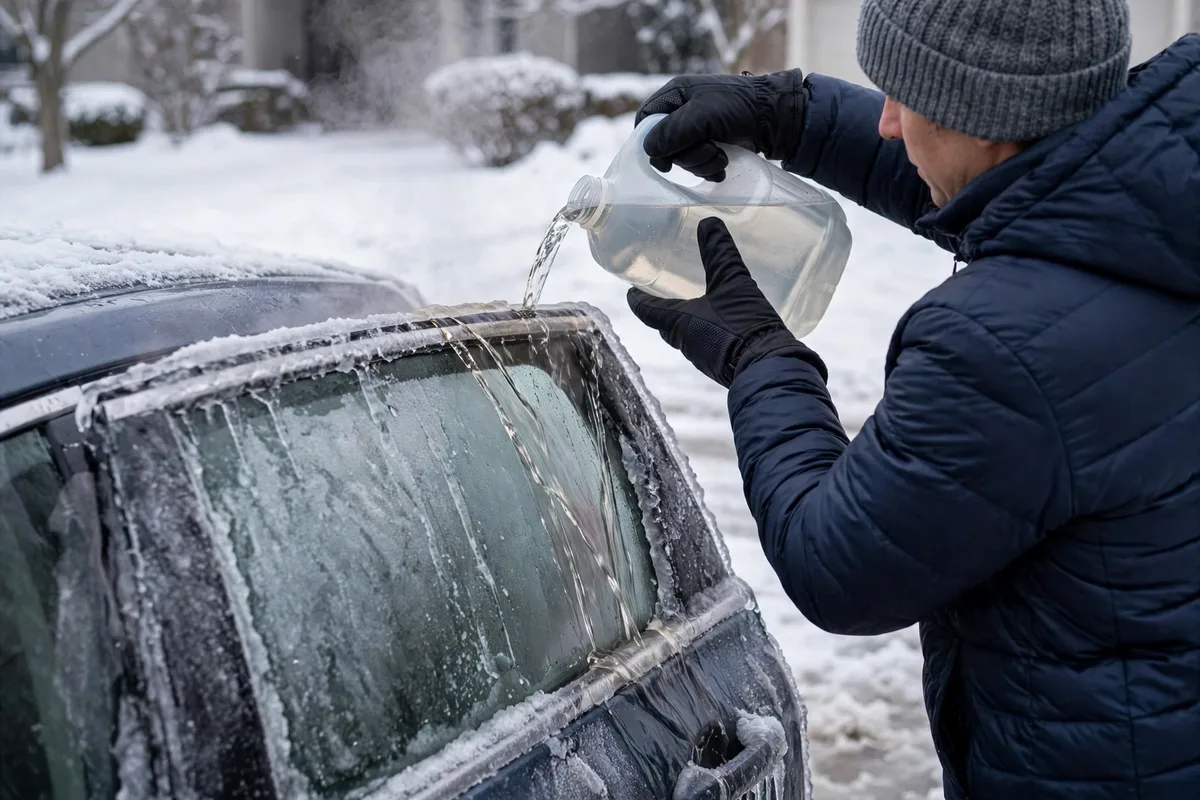
Work through these in order. Start with the gentlest fix and move up only if you need to.
- Push the door in, then pull. Lean your hip or shoulder against the door and press it firmly toward the car, then pull the handle. Do this two or three times. The flex breaks the ice bond on the seal, and on many cars that is all it takes.
- Try a different door. If the driver door is stuck, the passenger door or a rear door may open. Once you are inside, you can push the stuck door open from within, or run the heater and let the car thaw itself.
- Warm the seal with warm water. Fill a jug or bottle with warm tap water, not boiling, and pour it slowly along the top and sides of the door where the seal sits. Wait a minute, then push and pull again. Dry the seal with a towel afterward so it does not refreeze.
- Use lock de-icer on a frozen lock. Spray it into the keyhole and on the handle, wait a minute, and try the key. A water displacing spray can help in a pinch, but a dedicated de-icer is made for this and works faster.
- Warm the key. If you have no de-icer, hold a lighter under the metal part of the key for a few seconds, then slide it into the lock. The warm metal melts the ice inside the cylinder. Do not do this with a key fob or a key with a plastic head and a chip inside.
- Run the car and wait. If you can get in through another door, start the car, turn the heat up, and point the vents at the stuck door. Ten minutes of warm air thaws most seals and latches. This is the slowest fix, but it is also the one that never breaks anything.
If the Lock Is Frozen
A frozen lock needs a different approach than a frozen seal. Do not force the key. A key snapped off in a frozen cylinder is a locksmith bill, and a twisted key is a dealer parts order.
Spray de-icer directly into the keyhole and wait a full minute before trying the key. Once the key turns, work the lock back and forth a few times, then spray a graphite lock lubricant into the cylinder. The graphite keeps water from sitting in the lock, so it is less likely to freeze again.
If your car unlocks with a fob and the door still will not open, the lock is not the problem. The seal or the latch is frozen. Go back to pushing the door in and warming the seal. Pressing the unlock button again and again will not help, and on some cars repeated failed unlock attempts trigger the alarm.
If the door opens but will not close, the latch is frozen open. Do not slam it. Hold the outside handle open and spray de-icer into the latch on the edge of the door, then work the latch with a screwdriver or your finger until it moves freely. Warm water poured over the latch area works too. Dry it, add a little lubricant, and test the latch with the door open before you close it.
What Not to Do
A frozen door brings out bad ideas. Skip all of these.
Do not yank the handle. Handles are plastic on most modern cars, and a frozen latch turns a hard pull into a snapped handle. Pull with normal force only. If the door does not move, thaw it first.
Do not pour boiling water on the door. Boiling water can crack cold glass and damage paint. Warm tap water is enough. It only needs to be warmer than freezing, not hot.
Do not use a metal scraper or a screwdriver to pry the door open. You will chip paint and tear the seal, and a torn seal leaks water into the car for the rest of the winter.
Do not kick the door from the inside. It feels satisfying, but it bends the door skin and the window frame. Push with your shoulder instead.
Do not ignore a door that froze once. A seal that froze shut will freeze shut again the next cold night, usually worse. Dry the seal, treat it, and read the prevention section below before the next freeze.
What It Costs If Something Is Actually Broken
Most frozen doors cost nothing to fix. Warm water and patience solve the problem. But if something broke while you were fighting the door, a torn door seal is a cheap part on most cars and an easy DIY swap, since it usually pulls off and pushes on by hand. A broken outside handle is a bigger job, mostly labor, because the door panel has to come off to reach it. A latch that will not move even after thawing may need the whole latch assembly replaced, again mostly labor. Check your owner's manual for the exact parts and procedures for your car. Door hardware varies a lot by make and model, and a guide written for one car can mislead you on another.
How to Keep It From Freezing Again
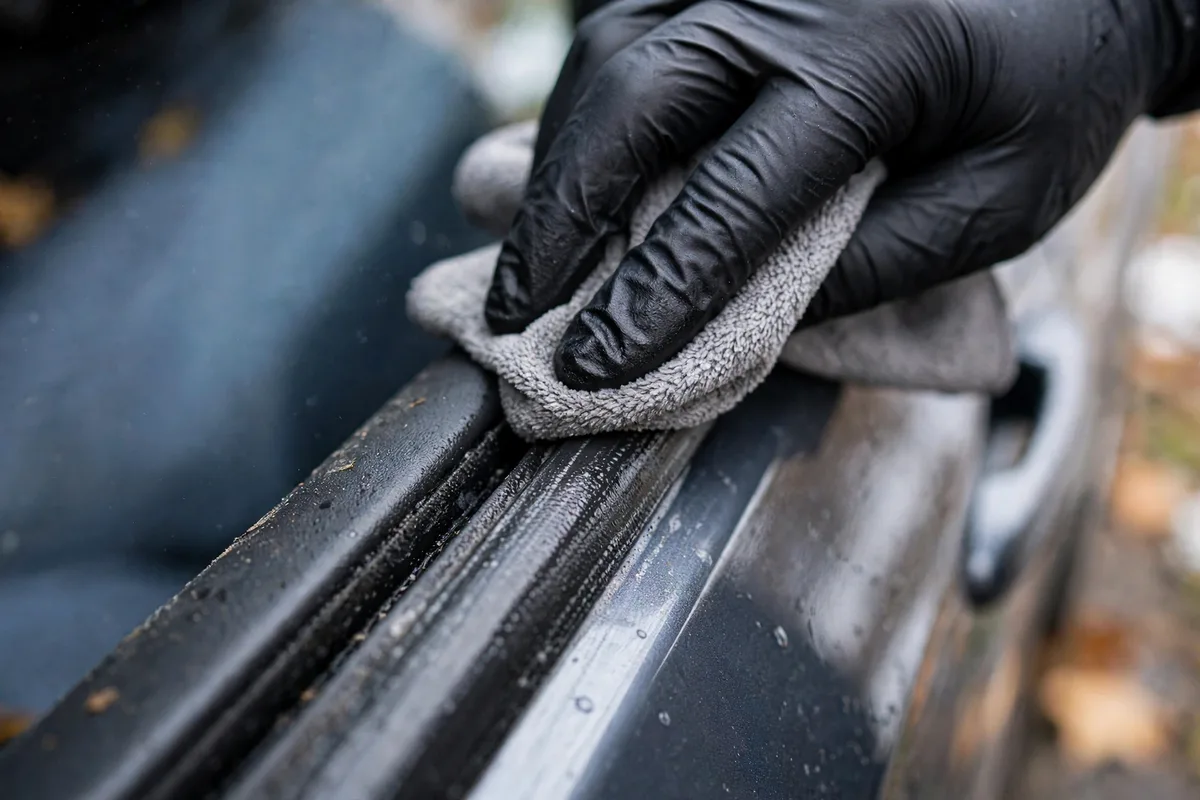
Prevention takes five minutes and saves you a cold morning wrestling with a door.
Treat the door seals before the first freeze. Wipe a thin coat of silicone spray or petroleum jelly on the rubber weatherstrip around each door. The coating keeps water from bonding the rubber to the metal. Reapply it once a month through winter, and always after washing the car.
Dry the seals after rain and car washes. A quick wipe around the door opening removes the water that would freeze overnight.
Park facing the sun when you can. Morning sun thaws a light freeze before you even get to the car.
Keep de-icer in the house, not in the car. A can sitting in a frozen glove box does you no good. Keep it by the front door, and a second can at work if your car sits outside all day.
If you park outside every night in a cold climate, a silicone seal treatment in November is the single best thing you can do. It costs almost nothing, takes minutes, and it is the difference between a door that opens and a door that does not.
FAQ
Can I pour hot water on a frozen car door? Warm water, yes. Boiling water, no. Warm tap water poured along the seal melts the ice without risking the glass or the paint. Dry the seal afterward so it does not refreeze.
Will lock de-icer unfreeze a car door? It unfreezes a frozen lock cylinder, and it helps on a frozen seal if you spray it along the gap. For a seal frozen solid, warm water works better because it covers more area at once.
Why does my car door freeze shut but my neighbor's does not? Worn seals hold more water, and cars parked facing away from the sun stay colder. A cracked or compressed seal traps water against the metal, so it freezes first and hardest.
My key fob unlocks the car but the door will not open. What is frozen? The seal or the latch, not the lock. The fob did its job. Push the door in to crack the seal, warm the seal with warm water, and try again. If the door opens but will not close, the latch is frozen open and needs thawing before it will catch.
The Take
A frozen car door is a winter annoyance, not a repair. Push first, thaw second, and never yank. Treat the seals once before the cold sets in and you will probably never deal with it again. If you already broke a handle or a latch fighting a frozen door, get it fixed before the next freeze, because a damaged latch in January is a door that will not close at all.
Cold weather causes more than frozen doors. A weak battery is the other classic cold morning failure, and it strands far more people than a stuck seal. If your car is slow to crank on cold mornings, read Car Battery Keeps Dying Overnight: Find the Parasitic Drain and How to Test Your Antifreeze Before Winter before the next deep freeze. For cold morning basics, our guides to 2023-2026 Acura Integra — Battery Replacement and 2019-2024 Chevrolet Silverado - Jump Start cover the two jobs every winter driver ends up doing eventually.
Safety: Informational DIY. EZ Car Fix is not a shop or dealer.