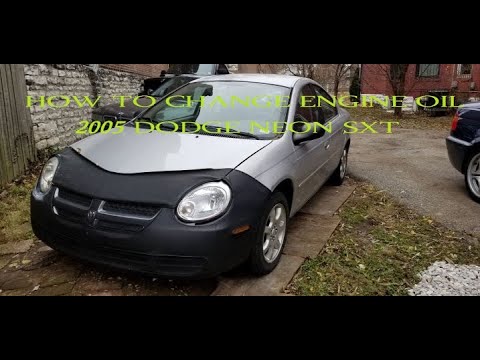
Quick answer: Front Brake Pad and Rotor Replacement on a 2000–2005 Dodge Neon is rated Moderate and takes about 1-2 hours. You'll need 8 tools for this job, and parts cost about $218. This guide walks you through the full job step by step, including the mistakes to avoid.
| Part Name |
Part Number |
Price |
Buy |
| Front brake pad set (2000-2005 Dodge Neon) |
— |
$52.00 |
|
| Front brake rotors (pair, if replacing) |
— |
$148.00 |
|
| Brake cleaner |
— |
$18.00 |
|
About prices: shown prices are typical retail averages and change frequently; cheaper alternatives may be available. Confirm the current price before buying.
💡 Pro tip: Order all parts at once to save on shipping
Step-by-Step Instructions
Follow these steps carefully
1
Prepare and Lift the Neon
Park the Neon on a flat surface and set the parking brake. Break the front lug nuts loose with the car on the ground, then jack up the front, secure it on jack stands, and remove the wheels.
2
Remove the Brake Caliper
Unbolt the caliper from the steering knuckle and slide it off the rotor. Hang it from the strut spring with a piece of wire so the brake hose carries no weight. Pull the old pads out of the caliper bracket.
3
Remove the Brake Rotor
If replacing rotors, remove the caliper bracket bolts and lift the bracket away. Slide the old rotor off the hub; mallet taps free a rusted one. Clean the hub face with a wire brush so the new rotor sits flat.
🔧 Mechanic's note — Tom Becker
If the rotor is rusted to the hub, I hit the hat between the studs with a mallet while rotating — I've never struck the friction face or edge, which can crack it.
4
Install New Rotor and Pads
Slide the new rotor onto the hub, ensuring it sits flush against the mounting surface. Reinstall the caliper bracket and torque the bolts to specification. Install the new brake pads, friction material facing the rotor.
5
Compress Piston and Reinstall Caliper
Push the caliper piston back with a C-clamp to fit the thicker pads and rotor. Reinstall the caliper and bolts. Double-check the pads are seated and the caliper slides freely.
🔧 Mechanic's note — Ray Delgado
Crack the master cylinder cap before you push the piston back — otherwise you're fighting trapped pressure, and I've seen people nearly crush a caliper before remembering.
6
Reassemble and Break-In
Reinstall the wheels, lower the car, and torque the lug nuts to 100 ft-lb in a star pattern. Pump the brake pedal several times before moving. Bed the new pads and rotors with moderate stops from 35 mph.
All Done!
Test your repair before closing everything up. If something doesn't work right, double-check your steps.
⚠️ Common Mistakes to Avoid
- • Reusing worn rotors with new pads, causing vibration and noise.
- • Not cleaning rust from the hub face, leading to rotor runout and pulsation.
- • Overlooking the brake fluid level when pushing pistons back.