Quick answer: AC Not Blowing Cold / Recharge on a 2019–2024 Nissan Altima is rated Moderate and takes about 30-60 minutes. You'll need 2 tools for this job, and parts cost about $45. This guide walks you through the full job step by step, including the mistakes to avoid.
| Part Name |
Part Number |
Price |
Buy |
| Correct refrigerant DIY kit with gauge (R-134a or R-1234yf as labeled) |
— |
$45.00 |
|
| AC leak-detect dye (optional) Optional |
— |
$12.00 |
|
About prices: shown prices are typical retail averages and change frequently; cheaper alternatives may be available. Confirm the current price before buying.
💡 Pro tip: Order all parts at once to save on shipping
Step-by-Step Instructions
Follow these steps carefully
1
Confirm refrigerant type and symptoms
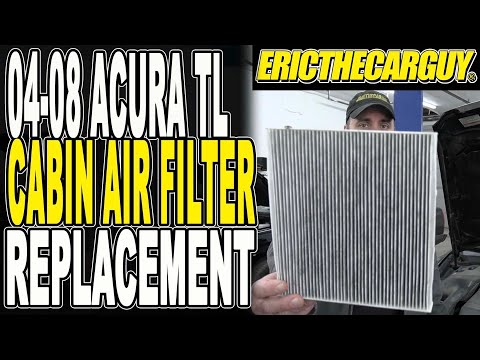
Open the hood of the 2019-2024 Nissan Altima and read the A/C specification sticker on the hood underside or radiator support. The sixth-generation Altima uses R-1234yf refrigerant — a trade-publication technical article documents the switch from R-134a in the 2018 Altima to R-1234yf in the 2019 — so you need an R-1234yf kit with the matching coupler, never an R-134a kit. Note the factory charge amount on the sticker. With the engine running and A/C on MAX, confirm the vents blow warm, watch the compressor clutch for engagement, and check the cabin filter behind the glovebox for clogging. Safety first: R-1234yf is classified mildly flammable (ASHRAE A2L), so wear safety glasses and gloves, work in a ventilated area away from open flames, and never vent refrigerant to the atmosphere.
2
Find the low-side service port
The R-1234yf quick-connect is a different size from R-134a by design — an R-134a hose physically cannot click on. Never charge through the high side: pressure there can rupture the can or cause serious injury.
🔧 Mechanic's note — Ray Delgado
The wrong-kit protection is physical — an R-134a hose can't click onto a 1234yf port, so I've learned a coupler that won't connect is the car telling me to check my kit or my port, never a reason to push harder.
3
Take a baseline reading
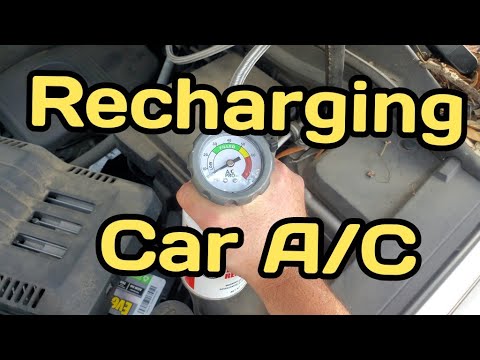
Start the 2019-2024 Nissan Altima, set MAX A/C with recirculate on and the blower at full speed, and wait two to three minutes. Confirm the compressor clutch is engaged — the clutch plate should be spinning with the pulley. Connect the R-1234yf gauge to the low-side port and read the pressure against the kit chart for the ambient temperature. As a generic reference from trade-publication pressure tables, R-1234yf low sides read roughly 28-35 psi at 77 degrees F, 32-39 psi at 86 degrees, and 38-46 psi at 95 degrees. If the gauge shows near zero with the A/C running, the system is effectively empty — stop and have a shop evacuate, leak-test, and recharge it properly instead of a DIY top-off.
🔧 Mechanic's note — Tom Becker
Three reference points on that pressure chart — 28–35 at 77, 32–39 at 86, 38–46 at 95 — because ambient temperature moves the needle as much as the charge does. I always note the thermometer reading before I judge the gauge.
4
Add refrigerant cautiously
If the 2019-2024 Nissan Altima system still holds a partial charge and the kit instructions permit topping off, add R-1234yf in five-to-ten-second bursts through the low-side port, can upright, shaking gently between bursts as directed. Recheck the gauge and vent temperature after each burst and stop the instant the low side lands in the chart range for the ambient temperature. R-1234yf cans and couplers are specific to that refrigerant and cost more than R-134a hardware — never substitute or mix the two refrigerants. Overcharging spikes high-side pressure, reduces cooling, and can damage the compressor, so do not empty cans blindly.
5
Stop and verify cooling
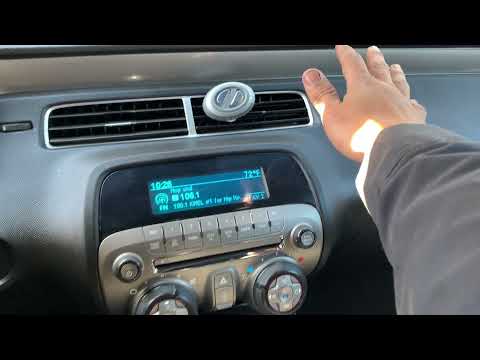
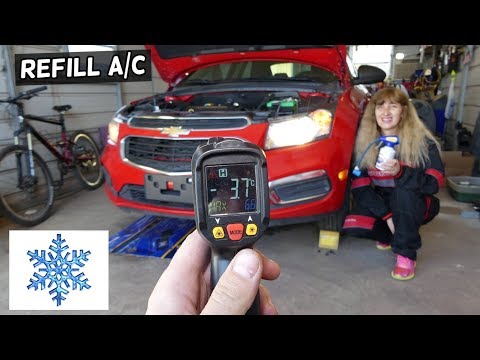
Disconnect the coupler from the 2019-2024 Nissan Altima low-side port and replace the cap finger-tight to keep the fitting clean and dry. With the engine idling and recirculate on, the center vent should read roughly 35-50 degrees F on a thermometer. Inspect the compressor, line fittings, and the condenser ahead of the radiator for fresh oily residue, the classic sign of a refrigerant leak. If the cold air fades within days, the clutch never engages, or the baseline gauge was near zero, take the Altima to a shop for a UV dye or electronic leak test — R-1234yf is mildly flammable and uses refrigerant-specific dye and equipment, so leaks deserve professional handling. Knowingly topping off a leaking system vents refrigerant, which is illegal.
All Done!
Test your repair before closing everything up. If something doesn't work right, double-check your steps.
⚠️ Common Mistakes to Avoid
- • Using the wrong refrigerant (R-134a vs R-1234yf)
- • Overcharging by watching a gauge without following the kit chart and vent temperature
- • Recharging an empty or badly leaking system
- • Connecting to the high-side port
- • Continuing to recharge when the system loses cooling again within days