Quick answer: Check Engine Light on a 2014–2020 Nissan Rogue is rated Easy and takes about 15–30 minutes. You'll need 3 tools for this job. This guide walks you through the full job step by step, including the mistakes to avoid.
Step-by-Step Instructions
Follow these steps carefully
1
Locate the OBD2 port under the driver's dash
On the 2014–2020 Nissan Rogue, the 16-pin OBD2 diagnostic connector is under the driver-side dash, left of the steering column. It's within easy reach once you know where to look.
2
Troubleshoot a dark scanner
If it stays dark, the plug may not be fully seated, or the port's power fuse — often shared with the cigarette lighter or accessory socket — may be blown; check the interior fuse box.
🔧 Mechanic's note — Tom Becker
In my experience, Scanner stays dark? Check the interior fuse box — the OBD2 power fuse is usually shared with the cigarette lighter. People replace the scanner before checking a 25-cent fuse.
3
Read every code and the freeze-frame snapshot
Open the freeze frame too: it preserves engine RPM, coolant temp, vehicle speed, and fuel trims from the moment the fault was logged, which separates an idle-only problem from one that appears under load.
4
Understand the generic code families
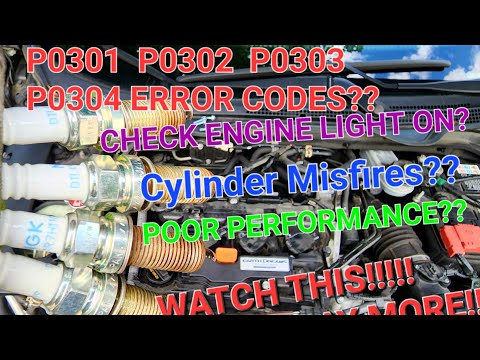
Generic P0xxx codes mean the same thing on every make. P0300-series codes indicate misfires — on the Rogue's 2.5L QR25DE, inspect spark plugs and coils, particularly as mileage passes 100,000. P0420-family codes relate to catalytic converter efficiency and are common on higher-mileage Rogues. P0171 means the engine is running lean, often from a vacuum leak or aging intake gaskets. P04xx codes point at the evaporative emissions system, where the fuel cap is the classic first check.
5
Assess whether it is safe to keep driving
A steady light with no drivability symptoms generally allows a gentle trip to a shop — keep throttle inputs light. Also stop immediately for overheating, an oil-pressure warning, or violent shaking, and have the Rogue towed.
6
Repair the root fault before clearing
A code identifies the reporting system, not the failed part — diagnose first: check plug and coil condition for misfires, hunt for vacuum and intake leaks on lean codes, inspect the fuel-cap seal for EVAP codes.
7
Confirm the fix with normal driving
Restart the Rogue and make sure the light stays off. Then drive normally for a few days — neighborhood streets plus highway cruising — giving the computers the varied conditions they need to rerun self-tests and set the readiness monitors to complete.
All Done!
Test your repair before closing everything up. If something doesn't work right, double-check your steps.
⚠️ Common Mistakes to Avoid
- • Overlooking a blown accessory or cigarette-lighter fuse when the scanner will not power on from the port.
- • Erasing the code before writing down the freeze-frame data that shows the conditions of the fault.
- • Assuming a P0420-family code means the converter is dead without checking oxygen sensors and exhaust leaks.