Quick answer: Tire Pressure Light & Rotation on a 2018–2024 Toyota Camry is rated Moderate and takes about 45-75 minutes. You'll need 7 tools for this job, and parts cost about $6. This guide walks you through the full job step by step, including the mistakes to avoid.
| Part Name |
Part Number |
Price |
Buy |
| Valve stem caps (optional) Optional |
— |
$6.00 |
|
About prices: shown prices are typical retail averages and change frequently; cheaper alternatives may be available. Confirm the current price before buying.
💡 Pro tip: Order all parts at once to save on shipping
Step-by-Step Instructions
Follow these steps carefully
1
Read door-jamb PSI and inspect tires
Inspect all four tires for nails, sidewall damage, and uneven wear; compare front vs. rear tread depth so you can see what the rotation needs to even out.
2
Set cold pressures and check TPMS
With the tires cold, set each tire to the exact placard PSI with your own gauge. A light that flashes for a minute before staying on indicates a system fault, not low pressure.
🔧 Mechanic's note — Ray Delgado
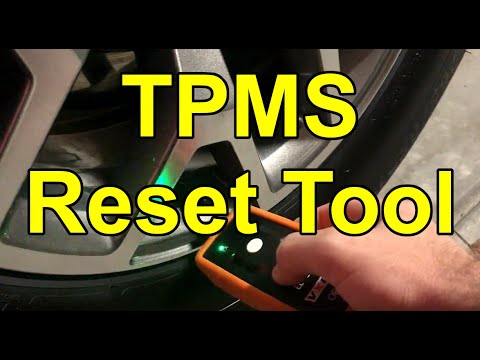
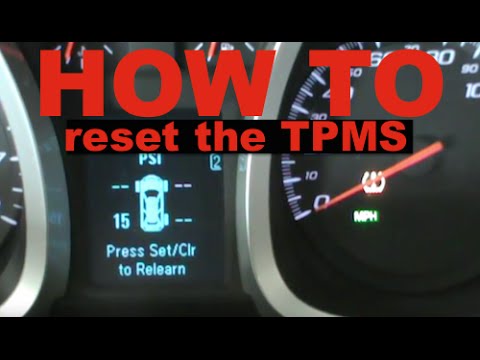
The Camry uses a direct TPMS with a reset button low under the dash near the steering column I don't skip this anymore.
3
Jack and stand
On level ground, set the parking brake and chock the wheels. Jack at the factory pinch-weld points and support on jack stands — never work under the car on the jack alone. Chalk-mark each tire's starting corner before removal so the rotation order stays correct.
🔧 Mechanic's note — Ray Delgado
I've been burned by this before: Jack at the factory pinch-weld points (behind the front wheels, ahead of the rears) and support on jack stands — never work under the car on the jack alone.
4
Rotate per the correct pattern
Follow the rotation diagram in your owner's manual. Directional tires stay on their original side and only swap front-to-back. The compact spare is never rotated. Hand-start every lug nut to avoid cross-threading, then snug in a star pattern while the wheel is airborne.
5
Lower and torque in a star pattern
Lower the Camry until the tires bear weight, then torque the lug nuts in a star pattern to the owner's-manual spec — Toyota specifies about 76 ft-lb (103 N-m) for these wheels, so confirm rather than guessing. After torquing, do the TPMS reset-button procedure from step 2 if you have not already, then drive so the system relearns which sensor is at which corner. Recheck lug torque after 50-100 miles and verify cold pressures the next morning.
All Done!
Test your repair before closing everything up. If something doesn't work right, double-check your steps.
⚠️ Common Mistakes to Avoid
- • Inflating to sidewall max instead of door-jamb placard PSI
- • Wrong rotation pattern for directional or staggered tires
- • Overtightening lugs with an impact only (no torque wrench)
- • Skipping jack stands