Crankshaft Position Sensor: Symptoms and Replacement
Your car cranks fine but will not start, and the tachometer stays flat at zero while you crank. That is the classic signature of a dead crankshaft position sensor. It is a cheap part and often an easy DIY replacement, but the symptoms mimic fuel pump and starter problems, so confirm the diagnosis before you buy anything.
What the crankshaft position sensor does
The engine computer needs to know exactly where the crankshaft is in its rotation so it can fire the spark plugs and pulse the fuel injectors at the right moment. The crankshaft position sensor watches a toothed wheel on the crankshaft and sends that signal to the computer. When the signal disappears, the computer cuts spark and fuel, and the engine either will not start or shuts off.
Symptoms of a bad crankshaft position sensor
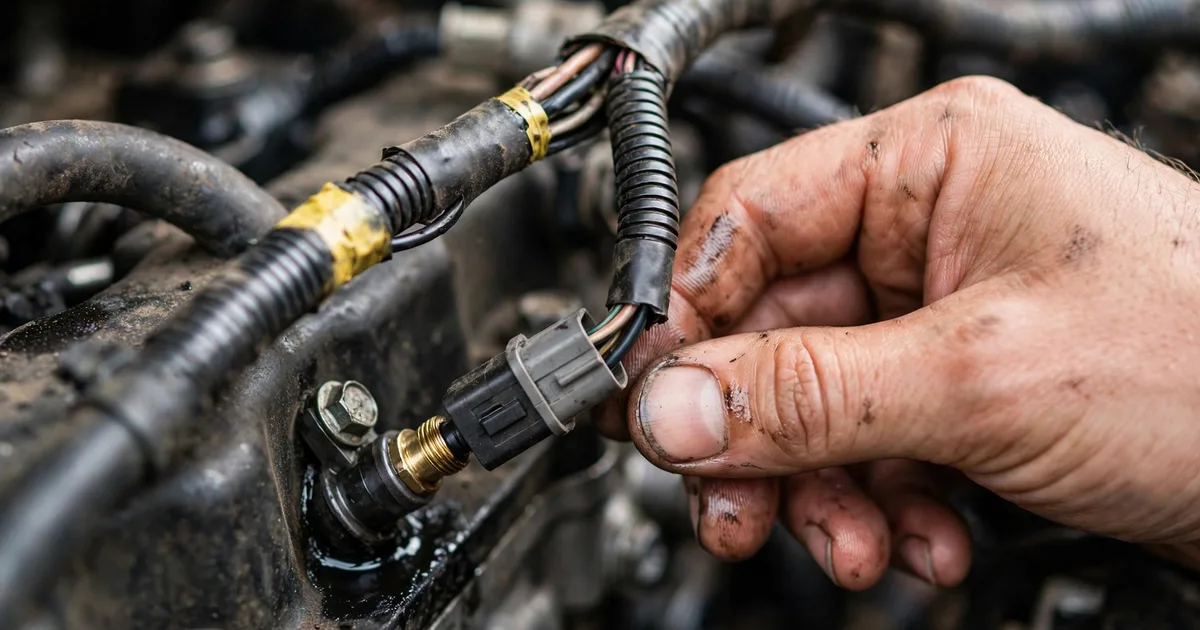
These are the ones that show up most often:
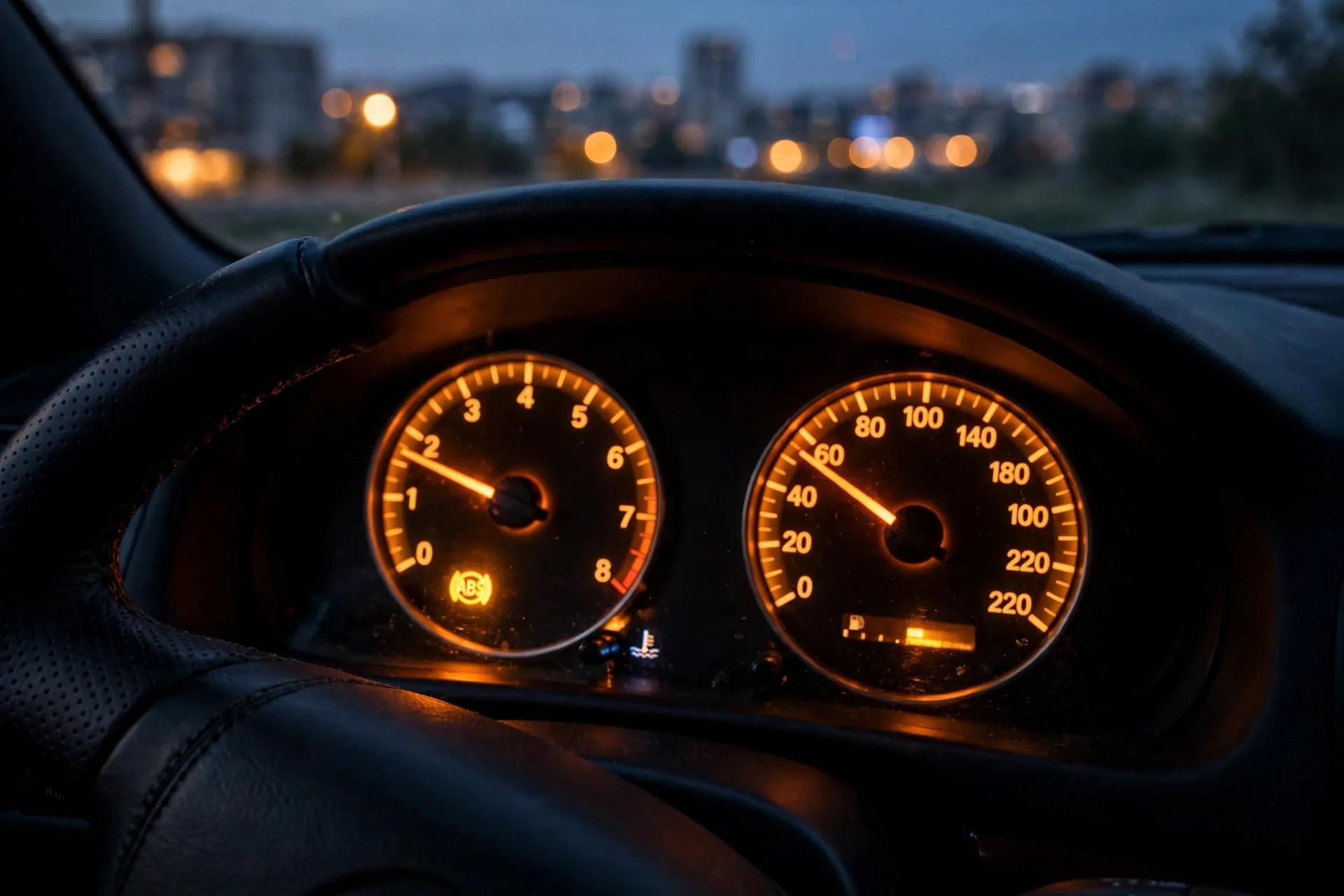
- The engine cranks normally but will not start, and the tachometer does not move while cranking. That last detail is the giveaway: a working sensor produces an RPM signal even when the engine will not fire.
- The engine stalls after it warms up, then restarts once it cools down. Heat kills failing sensors, and this hot stall, cold restart pattern is textbook.
- Random stalling at idle or low speed with no warning.
- Misfires and rough running under load. If the computer is getting a garbled signal, ignition timing goes wrong, which is the same family of trouble covered in our 2019-2024 Chevrolet Silverado - Ignition Coils guide.
- The check engine light comes on, usually with code P0335 or a related code in the P0336 to P0339 range.
- Hard starting when hot, fine when cold, or the reverse.
If your engine does not crank at all, look at the battery, starter, and cables first. A crankshaft sensor cannot stop the starter from turning; it stops the engine from running.
How to diagnose it before spending money
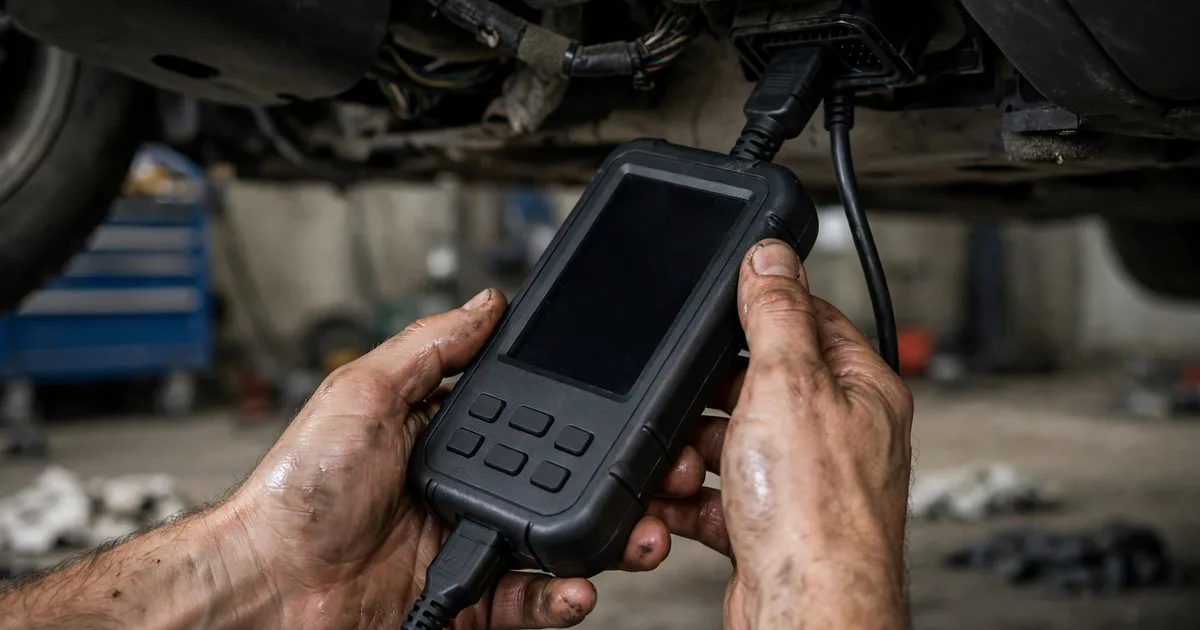
Work through these in order. The first three catch most cases.
- Scan for codes. A cheap OBD-II scanner reads the codes the engine computer has stored. P0335 (crankshaft position sensor circuit) is the common one; P0336 through P0339 cover range problems, low input, high input, and intermittent signals. Write down every code, not just the first. If the light is on, start with a proper 2023-2026 Acura Integra — Check Engine Light / OBD2 Diagnosis to see the full picture.
- Watch the tach while cranking. Have someone crank the engine for a few seconds while you watch the tachometer. No movement at all points straight at this sensor.
- Watch live RPM data. If your scanner shows live data, look at engine RPM while cranking. Zero RPM with the engine physically turning means the computer is not getting the signal.
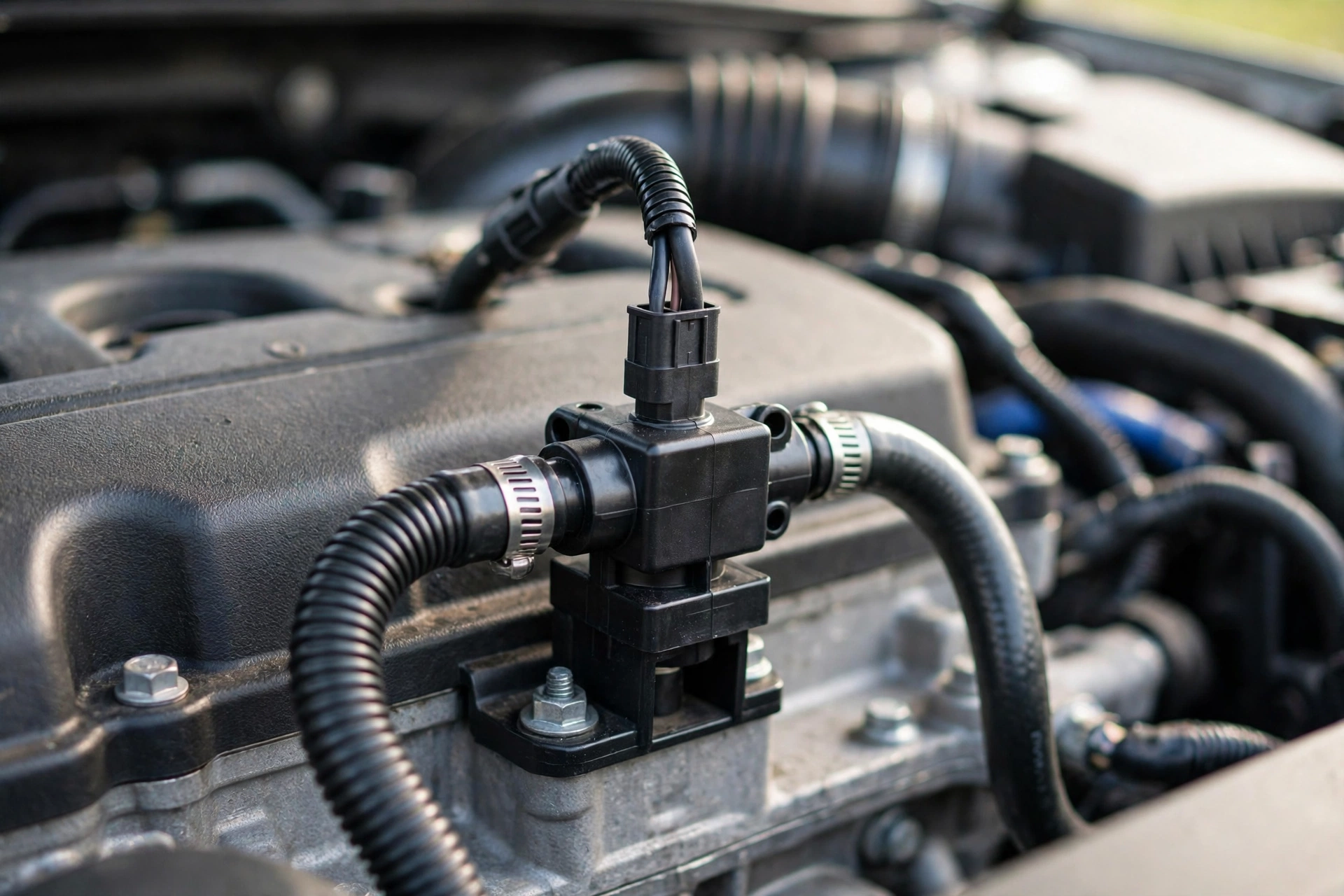
- Inspect the sensor and wiring. The sensor sits near the crankshaft pulley or on the bell housing where the engine meets the transmission. Look for cracked wiring, oil-soaked connectors, and a sensor body that is physically damaged. Wiggle the harness while a helper cranks; an intermittent start is often a broken wire, not a dead sensor.
- Test the sensor electrically. A multimeter can check resistance and output depending on the sensor type. The correct values differ by vehicle, so compare your readings against the spec in your repair manual or a model-specific guide. Never use a number from a random forum post.
Rule out the camshaft position sensor too. On many engines the computer cross-checks crank and cam signals, and a cam sensor failure can set similar codes. If the tach shows RPM while cranking, the crank sensor is probably fine and your no-start is fuel, spark, or something else.
How much crankshaft sensor replacement costs
The part itself is a cheap part on most cars. This is not a big-ticket job. Labor is the variable: on engines where the sensor sits out front by the crankshaft pulley, replacement is quick, and the bill is mostly a modest labor charge on top of the part. On engines where it is buried on the bell housing behind the exhaust or intake plumbing, the labor time grows because of access work, not because the part is expensive.
A dealer will typically quote more than an independent shop for the same job, and this is a straightforward repair either place can handle. DIY savings here are almost entirely the labor portion, which is why this is a popular do-it-yourself repair when access is easy.
Replacing it yourself: what the job looks like
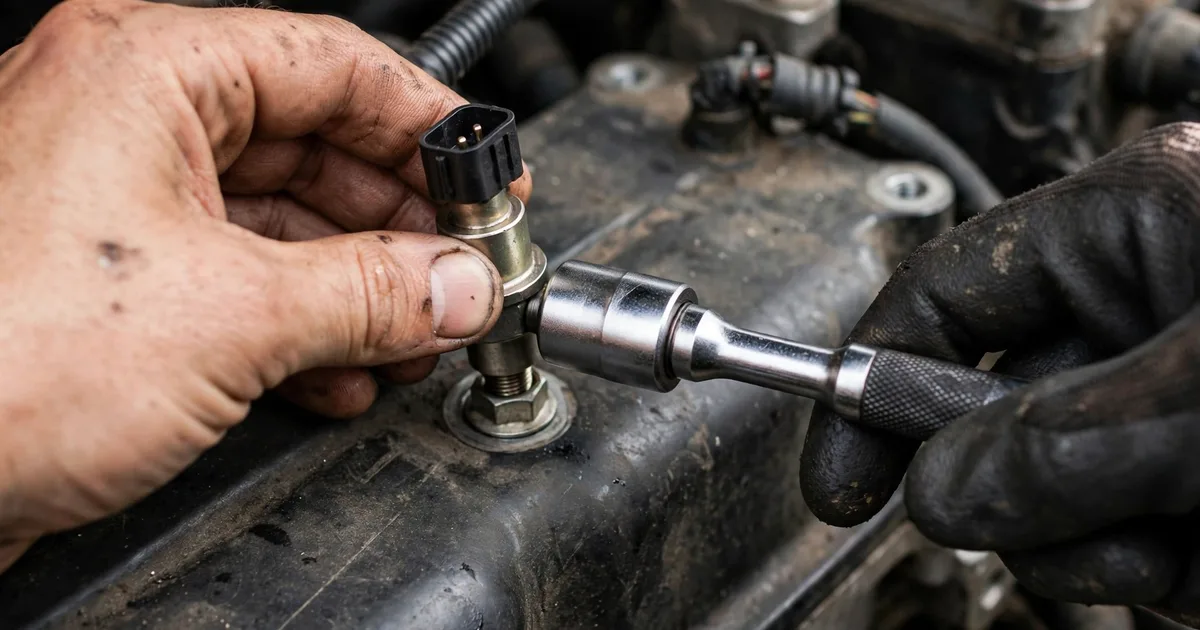
On an accessible engine, the job is: disconnect the battery, unplug the electrical connector, remove one bolt, pull the old sensor, install the new one, reconnect, and clear the codes.
A few honest warnings:
- Some sensors need a specific air gap between the sensor tip and the reluctor wheel. If yours does, your repair manual gives the procedure. Do not guess it.
- Do not overtighten the mounting bolt. The sensor body is often plastic and cracks under a wrench used too hard.
- If the old sensor comes out coated in metal shavings, wipe the area clean and find out where they came from before you close it up.
- Some vehicles need a crankshaft position relearn procedure after replacement, done with a scan tool. If the car runs rough or sets a code after the swap, this is the likely cause.
Should you DIY or pay a shop?
If the sensor is easy to reach and you are comfortable with basic hand tools, do it yourself. The part is cheap, the procedure is simple, and the downside of a bad diagnosis is small because you confirmed it with the tach and RPM tests above. If the sensor is buried behind other components or the car needs a relearn you cannot perform, an independent shop is the sensible middle ground: the part stays cheap and you pay a fair labor charge without the dealer markup.
FAQ
Can you drive with a bad crankshaft position sensor? You can until it strands you. The classic failure is a stall that gets more frequent until the engine will not restart. A car that stalls at speed is a hazard, so do not postpone this repair.
Will a bad crankshaft sensor throw a code? Usually yes, P0335 or a sibling code, but not always. Intermittent sensors can act up without setting a code, which is why the tach and live-RPM tests matter.
How long does the replacement take? On an accessible engine it is a quick job. Buried sensors take longer because of the disassembly needed to reach them.
Do you need to reset anything after replacing it? Clear the codes with a scanner. Some vehicles also need a crankshaft position relearn, so check your repair manual or a model-specific guide for your car.
The bottom line
A car that cranks but will not start with a dead tach is almost always this sensor, and it is one of the cheapest fixes that solves a no-start. Diagnose it in ten minutes with a scanner and a glance at the tachometer, then decide whether you want to spend the afternoon or pay a shop for a quick job. Either way, it beats replacing a fuel pump or a starter you did not need.
Still cranking with no luck? Our Starter Diagnosis Guide and Car Won't Start Even With a Jump: What's Next walk through the other usual suspects, and the 2017-2021 Acura MDX - Starter guide shows what a real starter replacement looks like.
Safety: Informational DIY. EZ Car Fix is not a shop or dealer.