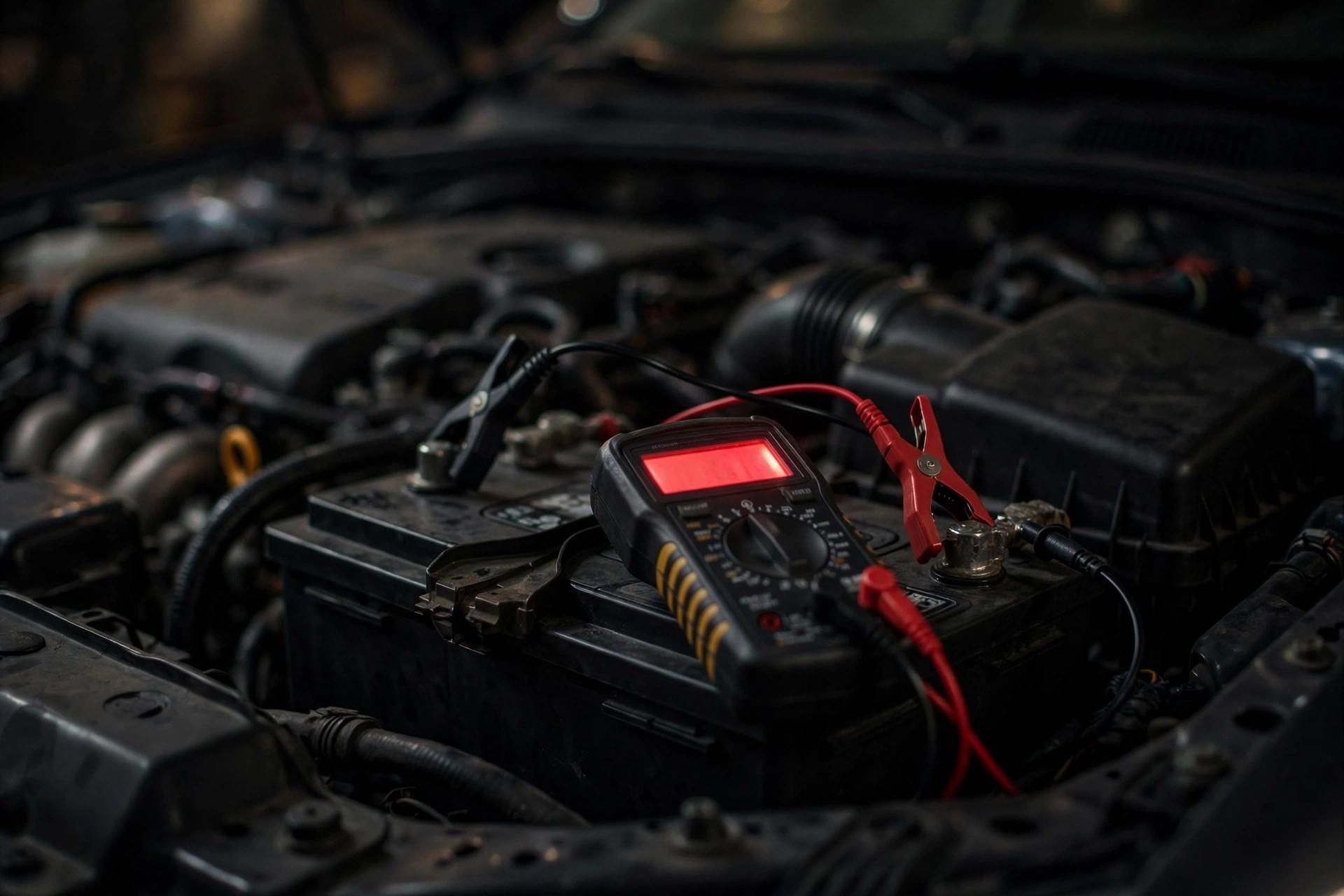
Car Battery Keeps Dying Overnight: Find the Parasitic Drain
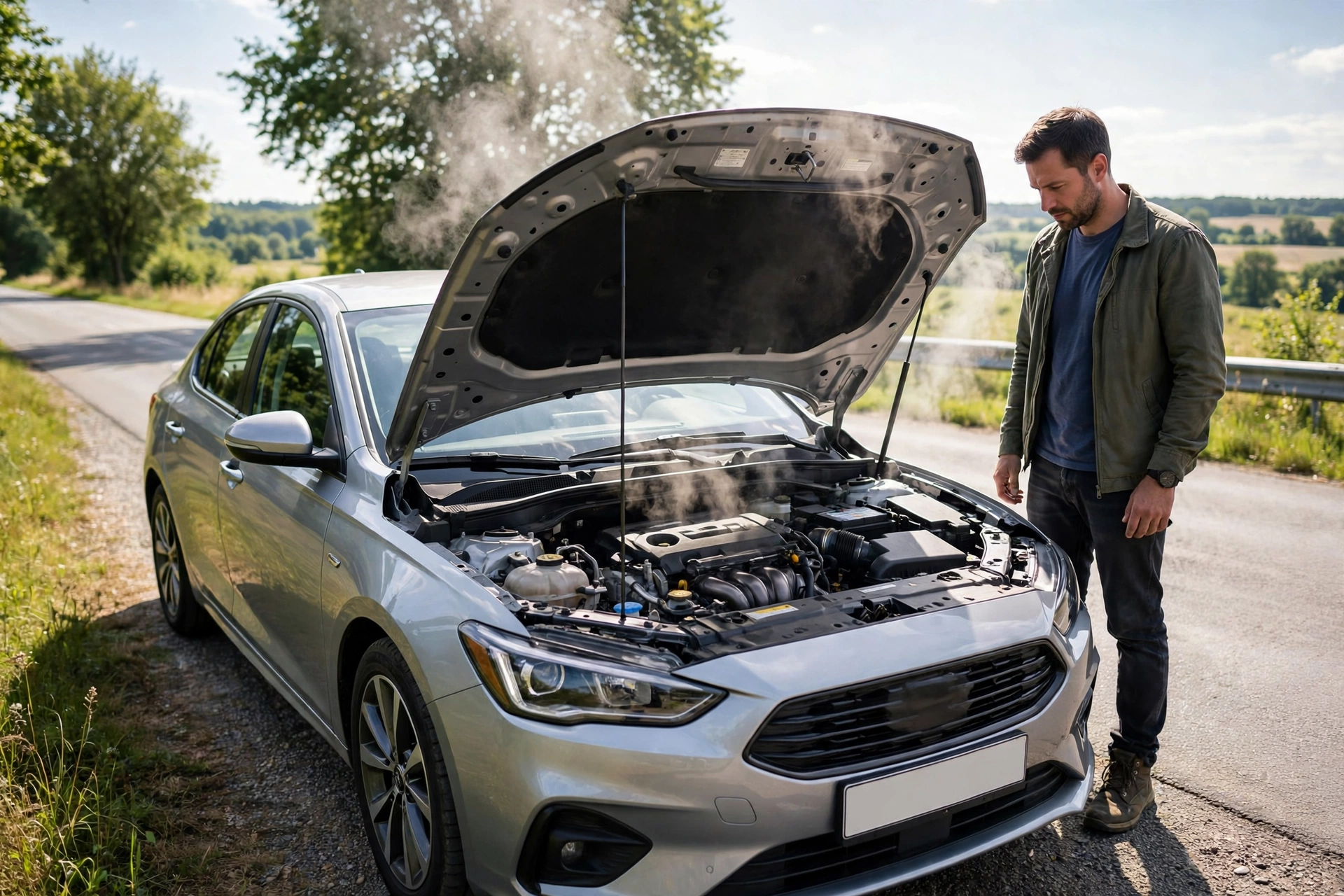
If your car starts fine in the morning, drives all day, and then is dead again by the next morning, the battery is not the problem. Something in the car is quietly draining it while parked. That is called a parasitic drain, and the fix is finding the one circuit that refuses to go to sleep. A normal car draws 20 to 50 milliamps with everything off. Anything above that overnight will kill a healthy battery.
Rule Out the Battery and the Alternator First
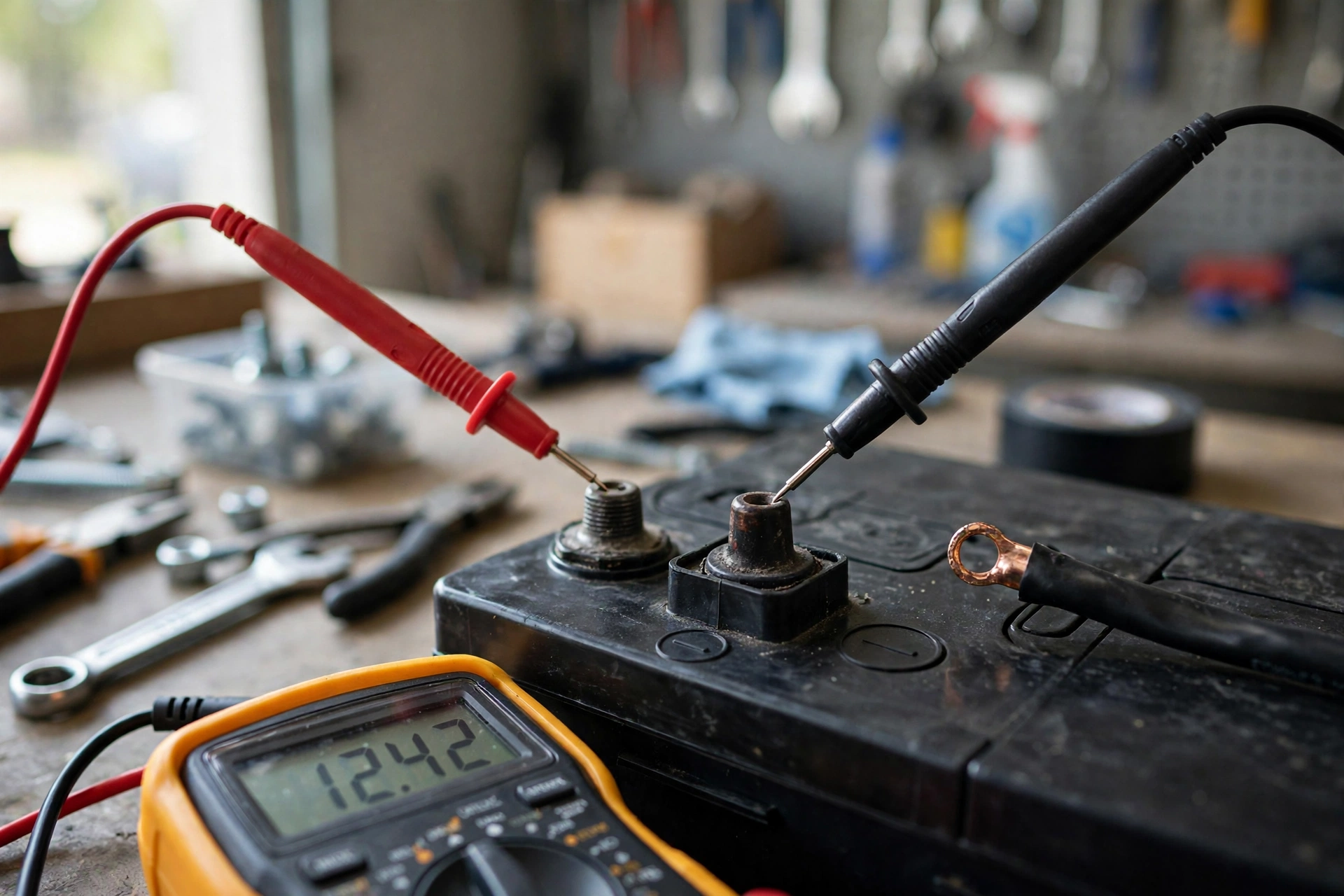
Before you hunt for a drain, confirm the battery and charging system are not the actual culprits. This takes ten minutes and saves you from chasing a ghost.
- Fully charge the battery, then let it sit disconnected overnight. If it still reads strong the next morning, the battery holds a charge and the drain is in the car. If it is weak disconnected, the battery itself is the problem.
- With the engine running, check charging voltage at the battery terminals. You should see the alternator pushing power into the battery. If the battery never gets a proper charge on your drive, it will be half empty every evening, and no drain test will find anything because there is nothing to find.
Batteries also die of old age, usually around the 4 to 5 year mark, and one dead cell will mimic a drain perfectly: charges up, drops overnight. If your battery is past that age, test or replace it before you pull a single fuse.
What a Normal Draw Looks Like
Modern cars are never fully off. Your car has a dozen or more small computers that stay alive to remember your seat position, listen for the key fob, and keep the clock running. That is the normal parasitic draw, typically 20 to 50 milliamps.
One thing people get wrong: those computers take a while to fall asleep. After you turn the car off, modules can stay active for 20 to 45 minutes before the car settles into its low sleep current. Test too early and you will read a high number, panic, and chase a drain that does not exist. Patience is part of the procedure.
The Multimeter and Fuse Pull Test
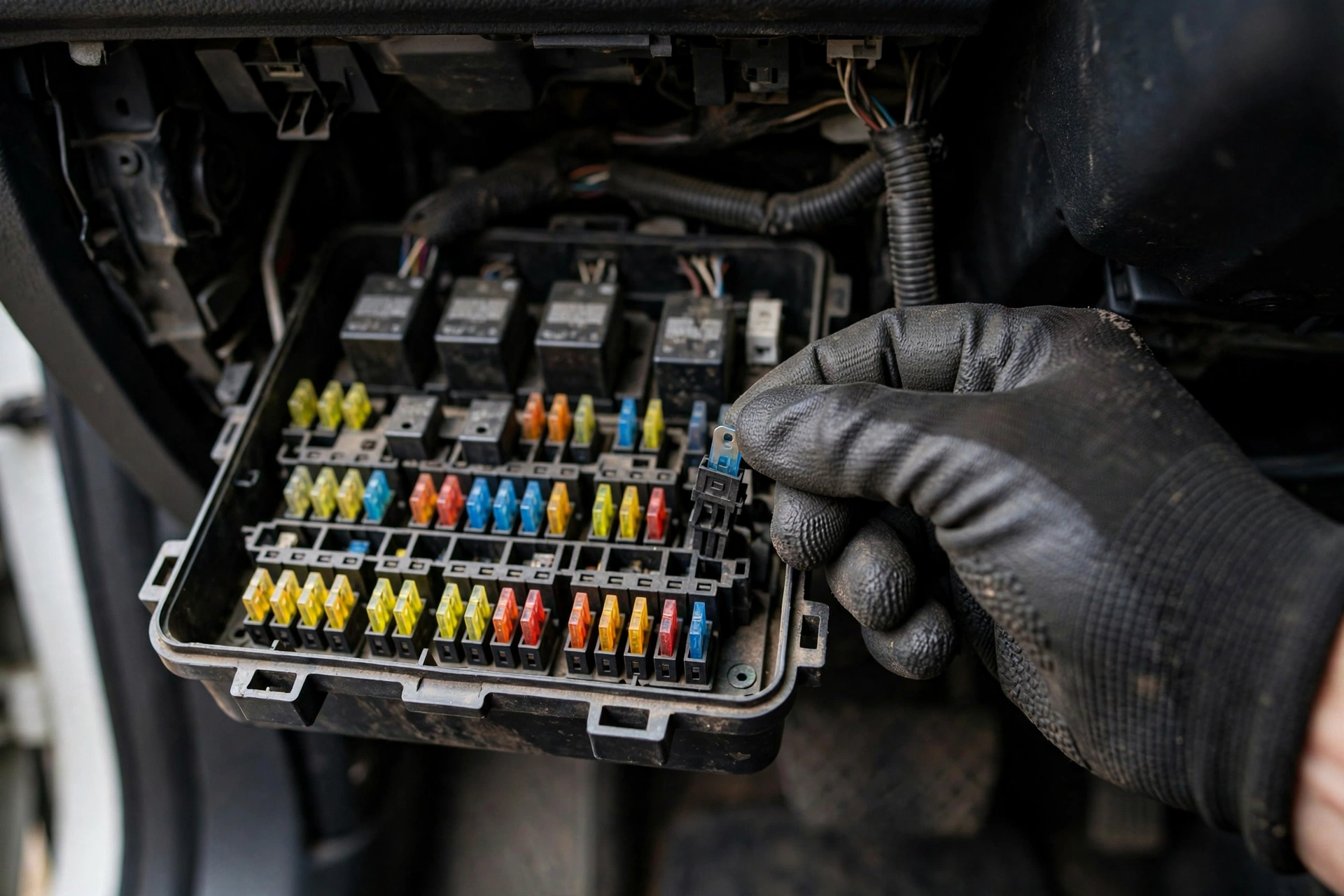
This is the standard test every shop uses, and you can do it with a basic multimeter. Do it carefully: you are working around a live battery.
- Park the car, turn everything off, close the doors, and leave the key far from the car. If the car has a key fob, keep it inside the house so the car does not keep waking up to listen for it.
- Disconnect the negative battery cable. Set your multimeter to measure amps, start on the highest amp setting, and connect one lead to the negative battery post and the other to the disconnected cable. You are now reading the car's current draw through the meter.
- Walk away for 20 to 45 minutes. Seriously. Go inside. This lets every module finish its shutdown and gives you the true sleep reading.
- Read the number. At or below 50 milliamps is normal and your problem is elsewhere. Well above that, say a few hundred milliamps or more, means you have a drain.
- With the meter still connected, have a helper pull fuses one at a time from the fuse boxes while you watch the reading. When the draw drops, you found the circuit. Write down which fuse it was and what it feeds: your fuse box diagram or the owner's manual tells you.
- Leave that fuse out, put everything back, and retest the next day. If the battery stays strong overnight with that circuit dead, you have confirmed the culprit.
Two warnings that matter. Do not start the car or turn anything on with the meter in the circuit: the inrush current will blow the meter's internal fuse instantly. And if your meter reads amps only through a separate jack, make sure the leads are in the right jacks before you connect, or you will get a zero reading and think the car is fine.
The Usual Suspects
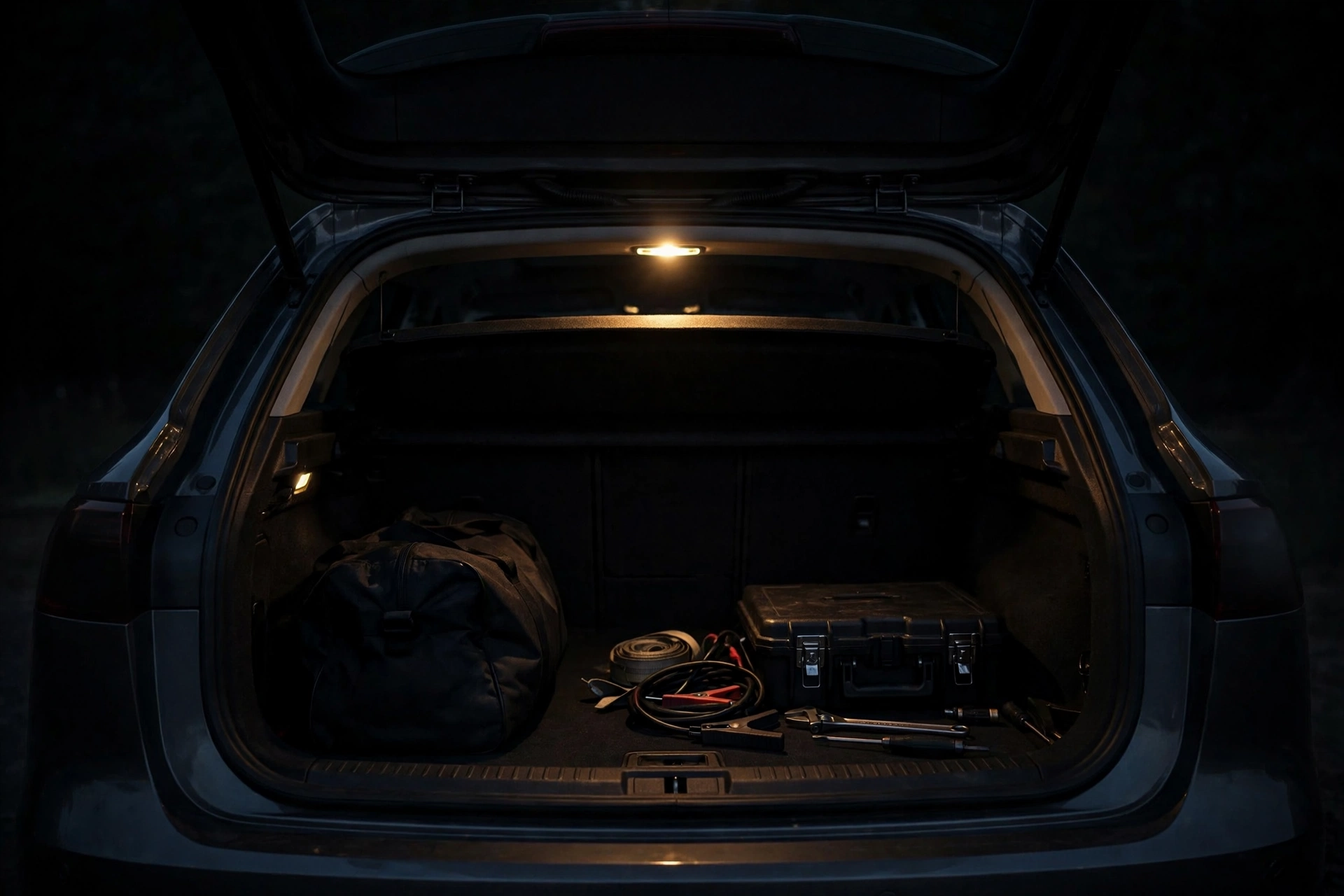
Once you have a circuit, the culprits tend to come from a short list:
- A light that never turns off. Trunk light, glove box light, under hood light, vanity mirror light. The trunk light is the classic. Have someone climb in and close the trunk, or set your phone to record video, drop it in the trunk, and close the lid. A stuck switch means the bulb burns all night.
- Aftermarket electronics. The single most common cause of real parasitic drains. An alarm system, a dash cam wired to constant power, a subwoofer amplifier, or an aftermarket stereo with the memory and constant power wires mixed up. If the problem started after an installation, start there.
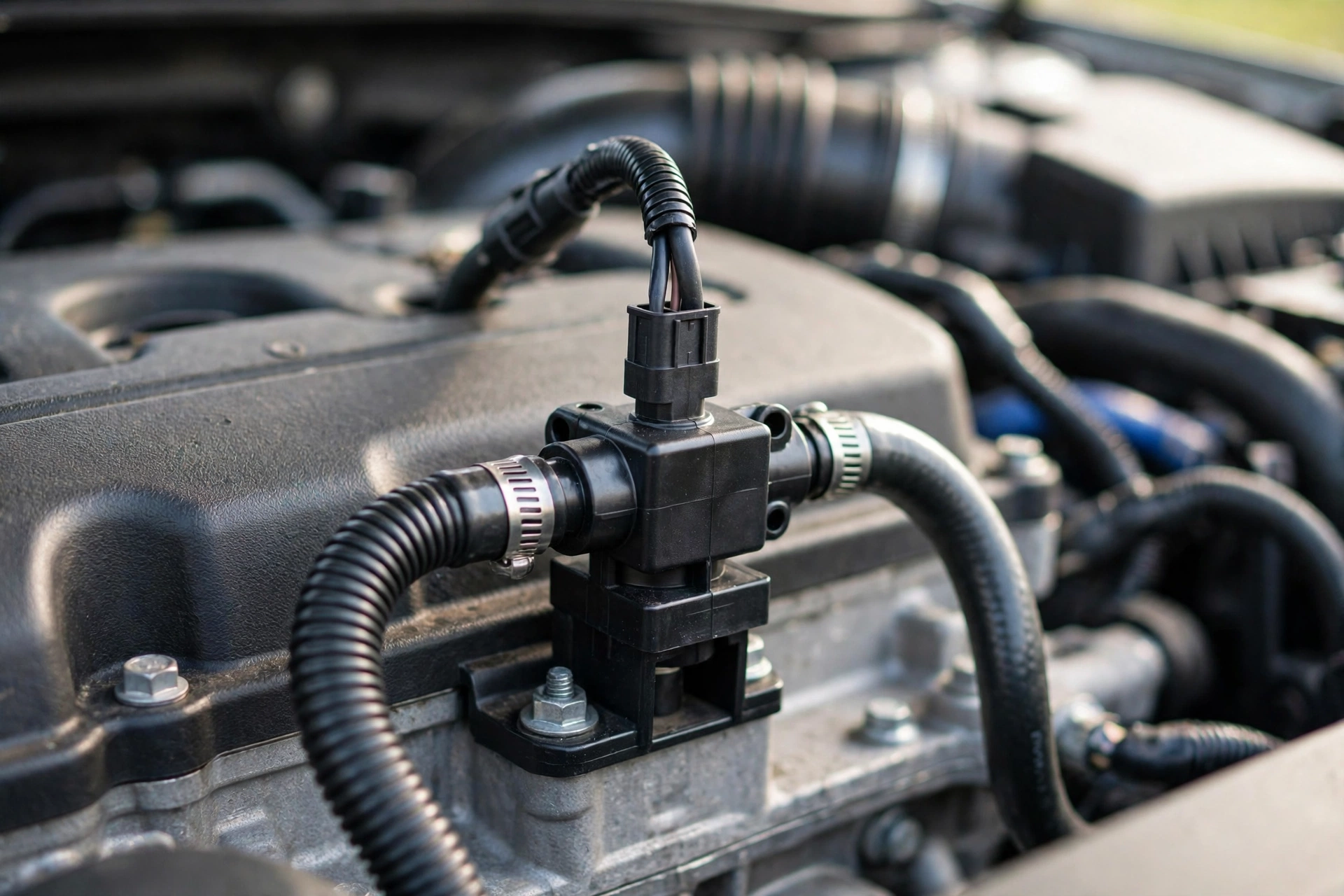
- A stuck relay. Relays are electric switches, and when one welds itself closed, its circuit stays powered. The cooling fan relay or the fuel pump relay are common ones. Swap a suspect relay with an identical one from a non critical circuit and see if the drain follows.
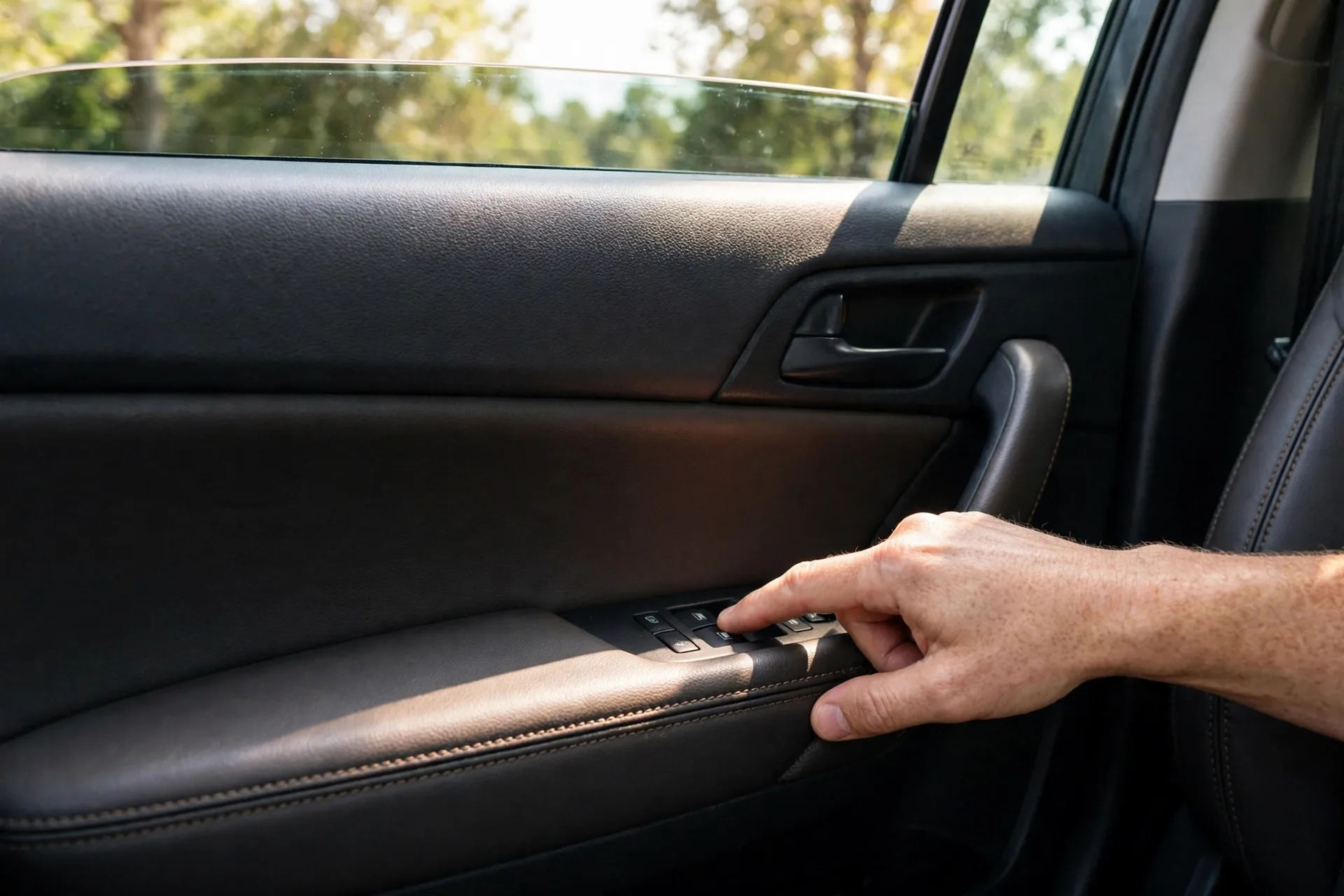
- Modules that never sleep. On some cars a faulty door latch switch makes the car think a door is always open, so the interior electronics never enter sleep mode. If your interior lights behave oddly or the dash shows a door open that is not, that is your lead.
- USB chargers and accessories left plugged in. Some power outlets stay live with the car off. A charger, a phone, or a Bluetooth adapter left plugged in can be a small but real constant draw.
What This Costs: Shop Versus DIY
This is mostly a diagnostic job, not a parts job, which is great news for the DIY side. The test itself costs nothing if you own a multimeter, and a basic one is a cheap tool that pays for itself on the first use. A shop charges diagnostic labor to do exactly this procedure: fuse pulling while watching the meter. The cost of the whole job is really the cost of whatever is broken, which is usually a small and cheap part: a door switch, a stuck relay, a trunk light switch, or a rewire of the aftermarket gear.
The expensive outcomes are the module problems. If a control module is the thing refusing to sleep, diagnosis gets trickier and the part is a big ticket item. But most overnight drains are the cheap kind. Start with the free test, because in most cases the answer is a light or an accessory you forgot about.
DIY or Shop: The Verdict
Do the drain test yourself. It takes under an hour of actual hands on time, it requires no parts, and the procedure is the same one a shop will run before they start billing you. If the culprit is a light, a switch, a relay, or your own aftermarket wiring, fix it yourself.
Hand it to a shop when the drain traces to a module that needs reprogramming after replacement, when your car needs the modules put to sleep with a scan tool before the reading means anything, or when you pulled every fuse and the draw never dropped. That last one means the drain is in an unfused circuit, a wiring harness, or a starter or alternator with an internal fault, and all of those are harder to isolate without a pro.
If the battery turns out to be the real problem after all, see our Battery Replacement Complete Guide for picking and installing the right one, and How to Change a Car Battery Safely walks through the swap itself. If the battery is not holding charge while you drive, our Alternator Diagnosis Guide covers the charging side.
FAQ
How long can a car sit before the battery dies? With a normal 20 to 50 milliamp draw, a healthy battery should sit for weeks. If yours is dead after one night, something is drawing far more than normal, or the battery is no good. There is no healthy car that cannot survive a single night parked.
Can a bad alternator drain the battery overnight? Yes, and this is the one people miss. A failed diode inside the alternator can leak current back through the charging wire even with the engine off. If pulling every fuse does not drop the draw, disconnect the alternator's main cable and retest. If the drain disappears, the alternator is the problem.
Will disconnecting the battery reset the parasitic drain? No. Disconnecting the battery resets the car's computers, which can temporarily mask the problem while the modules reboot. The drain comes back once the offending circuit wakes up again. Disconnecting the battery overnight is a way to save the battery, not a way to find the fault.
Is it safe to drive with a parasitic drain? The car drives fine during the day because the alternator powers everything. The risk is being stranded every morning. Keep a jump pack in the trunk until you fix it, and fix it soon: repeatedly deep discharging a battery destroys it, so a cheap drain left alone becomes a dead battery you also have to replace.
Safety: Informational DIY. EZ Car Fix is not a shop or dealer.