Headlight Bulb Replacement: Every Bulb, Step by Step
A burned out headlight bulb is a 15 to 30 minute driveway fix on most cars, and it is one of the cheapest repairs in all of car ownership. You usually need zero tools: pop the hood, twist out the old bulb, plug in the new one, done. This guide covers every bulb type you will run into, the one mistake that kills new bulbs early, and the cases where a dead headlight is not the bulb at all.
Your Headlight Is Out. Check These First
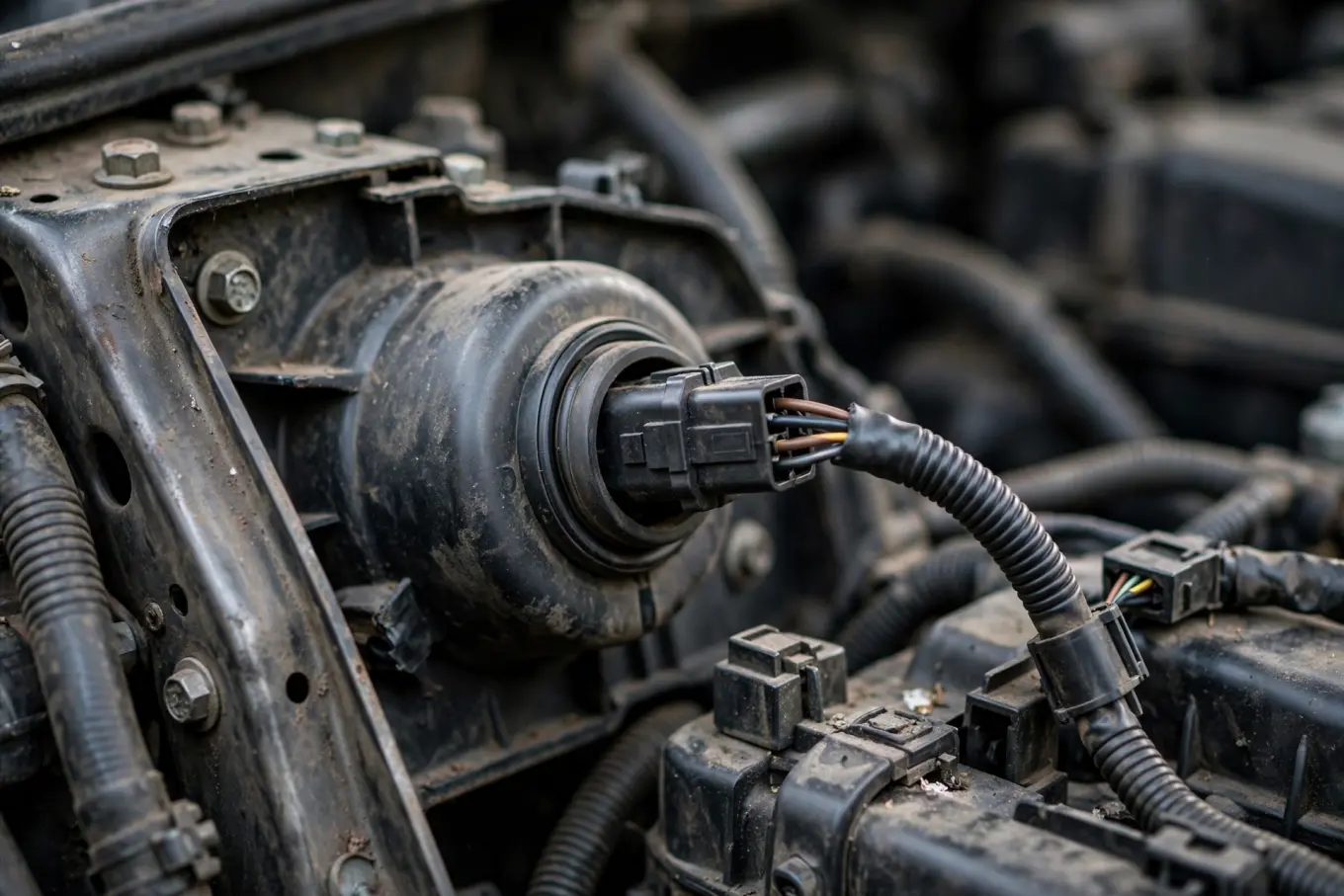
Before you spend a dollar, confirm the bulb is actually the problem. A dark headlight can also be a blown fuse, a corroded socket, or a failing ballast on HID setups. Two quick checks save you from buying a bulb you do not need.
- Turn the headlights on and walk around the car. Note exactly what is out: low beam, high beam, parking light, or the entire side. One dead bulb points to the bulb. A whole side dead points to a fuse or wiring.
- Swap bulbs side to side. If the suspect bulb works fine on the other side, the bulb was never the problem. Look at the socket, the fuse, and the wiring instead.
This two minute check matters because a fuse is free to inspect and sockets corrode on older cars, especially anywhere roads see salt or heavy rain. Skip it and you will replace a good bulb, watch it stay dark, and start the job over.
Which Bulb to Buy, and the One Rule That Matters
Headlight bulbs come in specific sizes, labeled things like H11, 9005, or H7. Your owner's manual lists the exact sizes your car takes, and every auto parts site lets you enter your year, make, and model to match them. Buy the exact size. Close enough is not a thing with headlight bulbs, and the wrong size either will not seat or will not aim correctly.
Three bulb types you will see on store shelves:
- Halogen. The classic, cheap and everywhere. If your car is more than a few years old, this is almost certainly what it uses.
- HID, also called xenon. Brighter with a blue tint, fired by a ballast. Common on luxury cars from the 2000s and 2010s.
- LED. Standard on most new cars, and increasingly sealed into the headlight as a full assembly instead of a replaceable bulb.
Now the one rule that matters more than anything else in this article: do not touch the glass of a new halogen bulb with bare fingers. Skin oil leaves a film on the glass, the film creates a hot spot when the bulb lights, and the hot spot can crack the glass or cook the filament weeks later. Handle the new bulb by its plastic base, or wear gloves. This single habit is the difference between a bulb that lasts for years and one that dies within a month.
Buy bulbs in pairs. When one headlight bulb burns out, the other one has the same hours on it and is usually next. Replacing both takes two extra minutes and spares you a month of driving around with mismatched brightness before the second one goes too.
Replace the Bulb, Step by Step
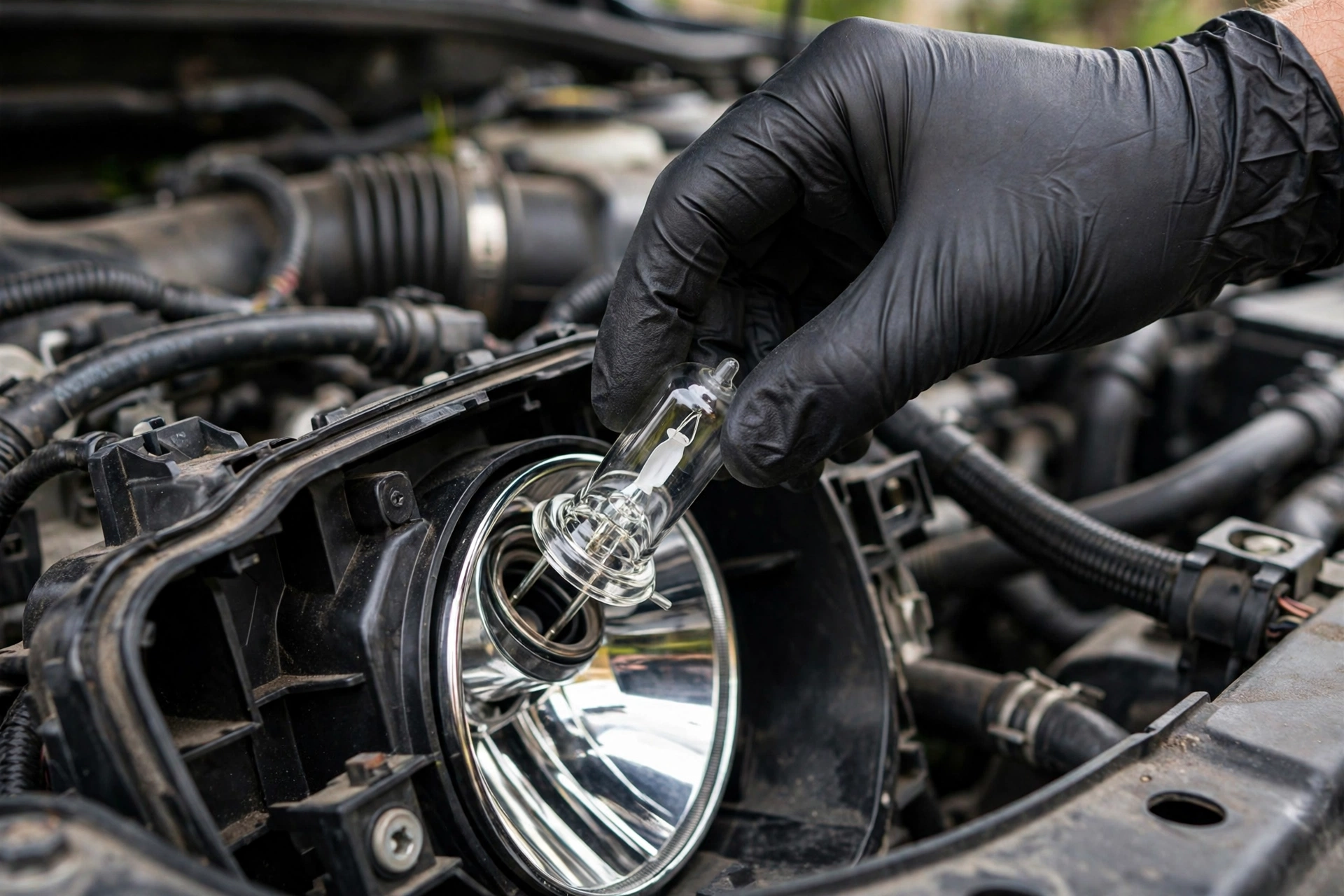
Here is the universal procedure that works on most cars:
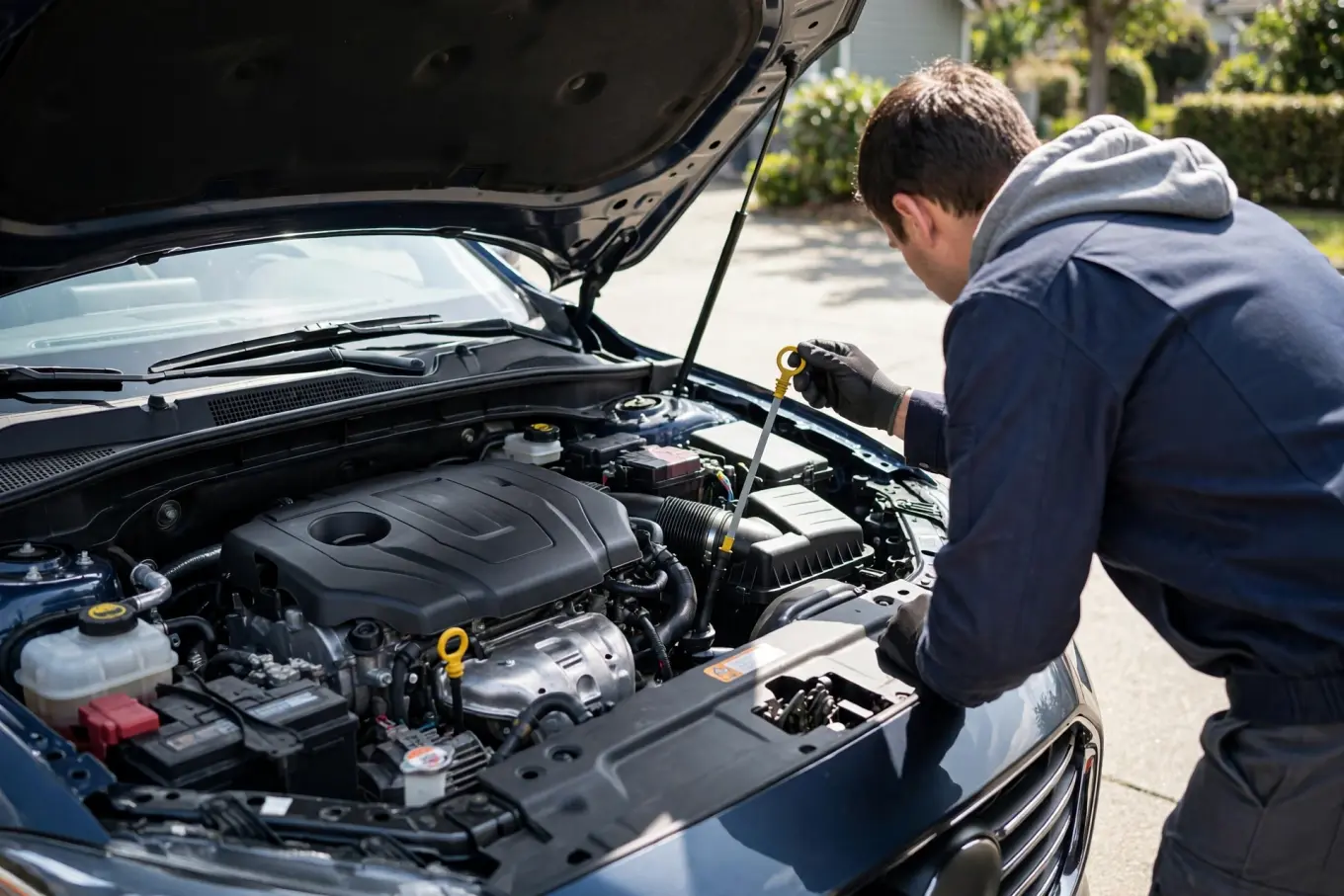
- Pop the hood and find the back of the headlight assembly, right behind the lens.
- Find the bulb socket, the round plastic piece with wires plugged into it. Twist it counterclockwise about a quarter turn and pull it straight out. Some cars use a metal retaining clip instead: squeeze the clip and release it.
- Unplug the wiring connector from the old bulb. Press the release tab on the connector. Do not yank the wires.
- Unbox the new bulb without touching the glass. Line up the tabs with the slots in the housing and push it straight in until it seats with a firm click. Twist the socket back in clockwise until it locks.
- Turn the headlights on and check both the low beam and the high beam before you close the hood.
That is the whole job on most cars. Some designs are harder: certain vehicles make you pull back the inner fender liner, reach through a small access panel, or remove the entire headlight assembly. If you cannot see or reach the socket from under the hood, check your owner's manual for the access procedure before you start unbolting things. Forcing access is how fender liners and wiring clips get broken.
If you want the exact steps with photos for your specific car, we have model specific guides: 2020-2024 Kia Telluride - Headlight Bulb Replacement | EZ Car Fix, 2007-2011 Jeep Wrangler JK - Headlight Bulb Replacement | EZ Car Fix, and 2017-2023 GMC Acadia - Headlight Bulb Replacement | EZ Car Fix.
When It Is Not the Bulb
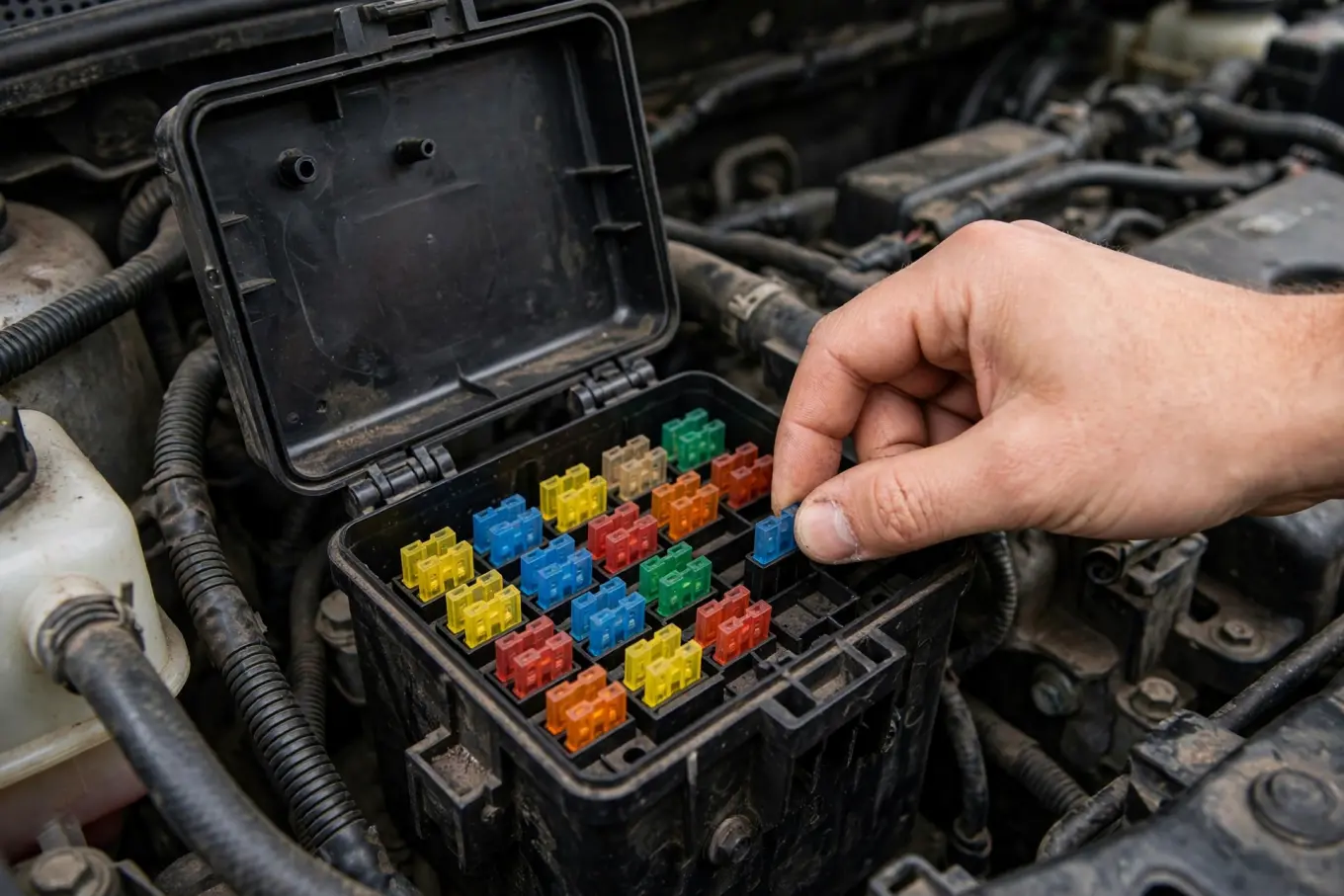
If a new bulb does not fix the dark headlight, work through this list in order:
- Blown fuse. Each headlight circuit usually has its own fuse, and your owner's manual shows the fuse box diagram. Pull the fuse and look at the metal strip inside. A broken strip means it blew, which points to a short or a power surge. If the replacement fuse blows too, stop and get the wiring checked instead of feeding it more fuses.
- Corroded or melted socket. Pull the connector and look inside. Green crust, blackened plastic, or a burnt smell means the socket itself needs replacing, not the bulb. This is common on older cars where moisture gets into the connector.
- HID ballast. On HID headlights the bulb rarely fails alone. If the light flickered, shifted color toward pink or purple, or took longer to fire up before dying, the ballast is the usual suspect. Ballasts run on high voltage and cost real money, so this is shop territory for most people.
- Wiring damage. Chewed or rubbed through wires near the headlight happen on older cars and on cars that sit parked outdoors. If one whole side is dark and the fuse is fine, damaged wiring moves to the top of the list.
What This Costs: Shop Versus DIY
The bulb itself is one of the cheapest parts on the car, a cheap part in every sense. A shop charges you mostly labor for a job you can do in a parking lot: their minimum labor charge to perform a 15 minute task. That is why this job has some of the best DIY savings math in all of car maintenance. Cheap part, near zero labor, and a result you can verify yourself the second you flip the headlights on.
The cases where shop labor makes sense are the exceptions: HID ballasts, sealed LED headlight assemblies that require housing replacement, and the cars that demand bumper removal just to reach a bulb. For a plain halogen bulb on a normal car, paying a shop is paying someone else to do your 15 minute errand.
DIY or Shop: The Verdict
Replace halogen bulbs yourself, every time. It is fast, the part is cheap, and it is nearly impossible to get wrong as long as you do not touch the glass. Hand the job to a shop when the headlights are HID and the ballast is suspect, when the headlight is a sealed LED unit that comes off as an assembly, or when the new bulb and the fuse both check out and the problem is hiding in the wiring. And do not upgrade a halogen car to LED drop in bulbs while you are at it: LED bulbs in halogen housings scatter light and blind oncoming traffic. More light is not better light.
If your headlights look dim even with fresh bulbs, the lenses themselves may be the problem. See our guide on Cloudy Headlights? How to Restore Yellow Foggy Headlights before you assume the bulbs are at fault. And since this is prime night driving season, our Winter Wiper Blades and Washer Fluid: The Visibility Fix covers the other half of seeing clearly after dark.
FAQ
Can I drive with one headlight out? You can physically drive, but it is a ticketable offense in most states, it cuts your nighttime visibility badly, and oncoming drivers judge your lane position partly by your headlights. Fix it the same day if you can.
Why do my headlight bulbs keep burning out? The usual causes are touching the glass during install, moisture inside the headlight housing, or voltage spikes from a failing alternator. If both sides die within weeks of each other, that is normal wear: same age, same hours, they go together.
Should I replace both headlight bulbs at once? Yes. The surviving bulb is the same age as the dead one. Two bulbs cost little more than one and you only do the job once.
Do I need to disconnect the battery? For a basic halogen bulb swap, no. The headlight circuit is off when the switch is off. If you are touching a ballast on HID headlights, that is a different story: they run on high voltage, and that job belongs to a shop.
Safety: Informational DIY. EZ Car Fix is not a shop or dealer.