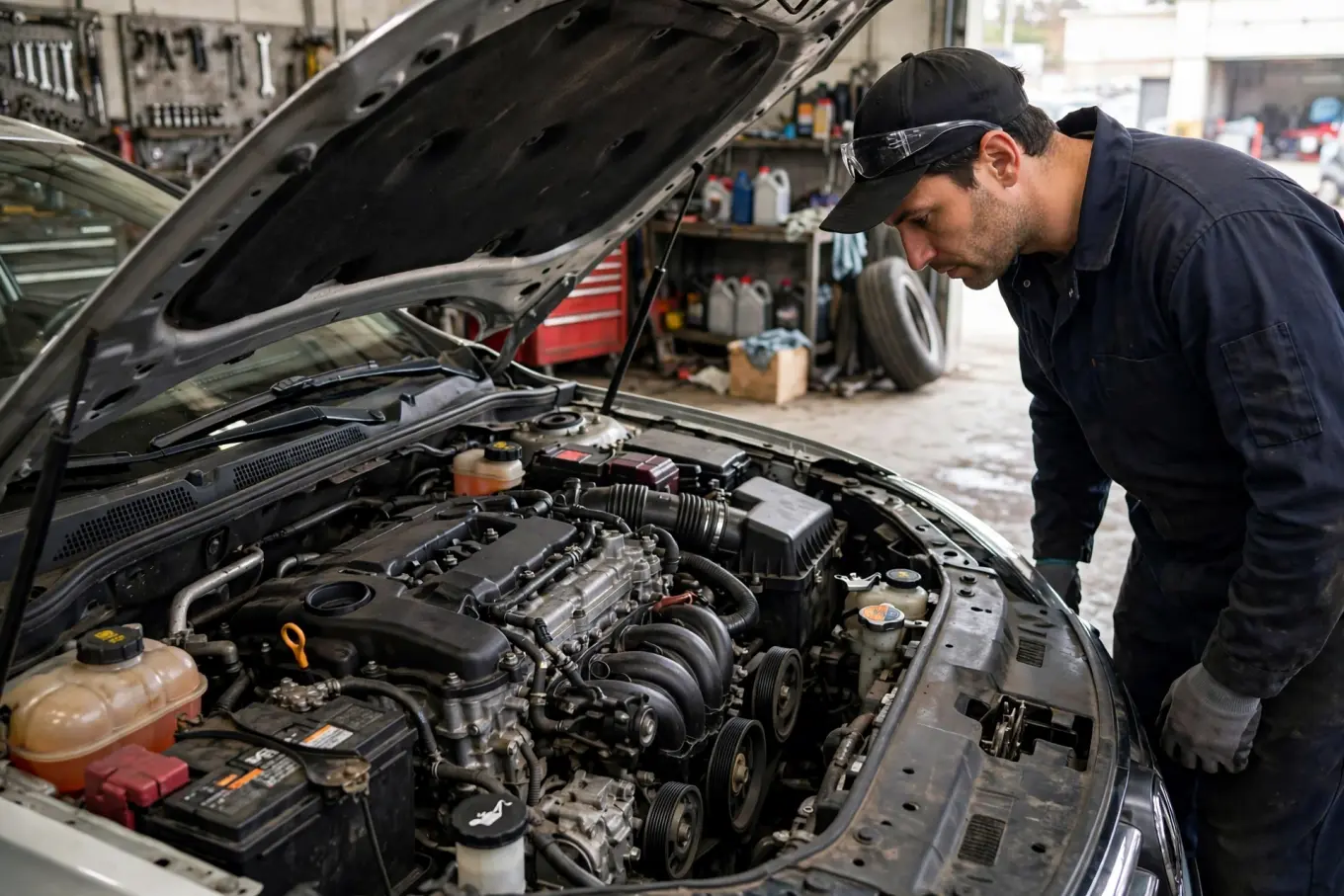
Blown Head Gasket Symptoms: Tests, Repair Cost, Worth Fixing?
A blown head gasket means the seal between your engine block and cylinder head has failed, and coolant, oil, and combustion gases are now mixing or leaking where they should not. It is one of the most serious problems a car can have, and it is also one of the most misdiagnosed. Before you authorize a repair, confirm the diagnosis with real tests, because several cheaper problems mimic it almost exactly.
What a Head Gasket Does and Why It Fails
The head gasket sits between the engine block and the cylinder head. It seals the combustion chambers so pressure stays where it belongs, and it keeps coolant and oil in their own separate passages.
Overheating is the most common killer. One bad overheating episode can warp the cylinder head just enough that the gasket can no longer seal. Age and mileage wear it down too, and neglected coolant that turns acidic or sludgy accelerates the damage. Keeping the cooling system healthy is part of the prevention, which is why a Coolant Flush: Why It Matters and How to Do It Without Making a Mess matters more than most people think.
Symptoms That Point to a Blown Head Gasket
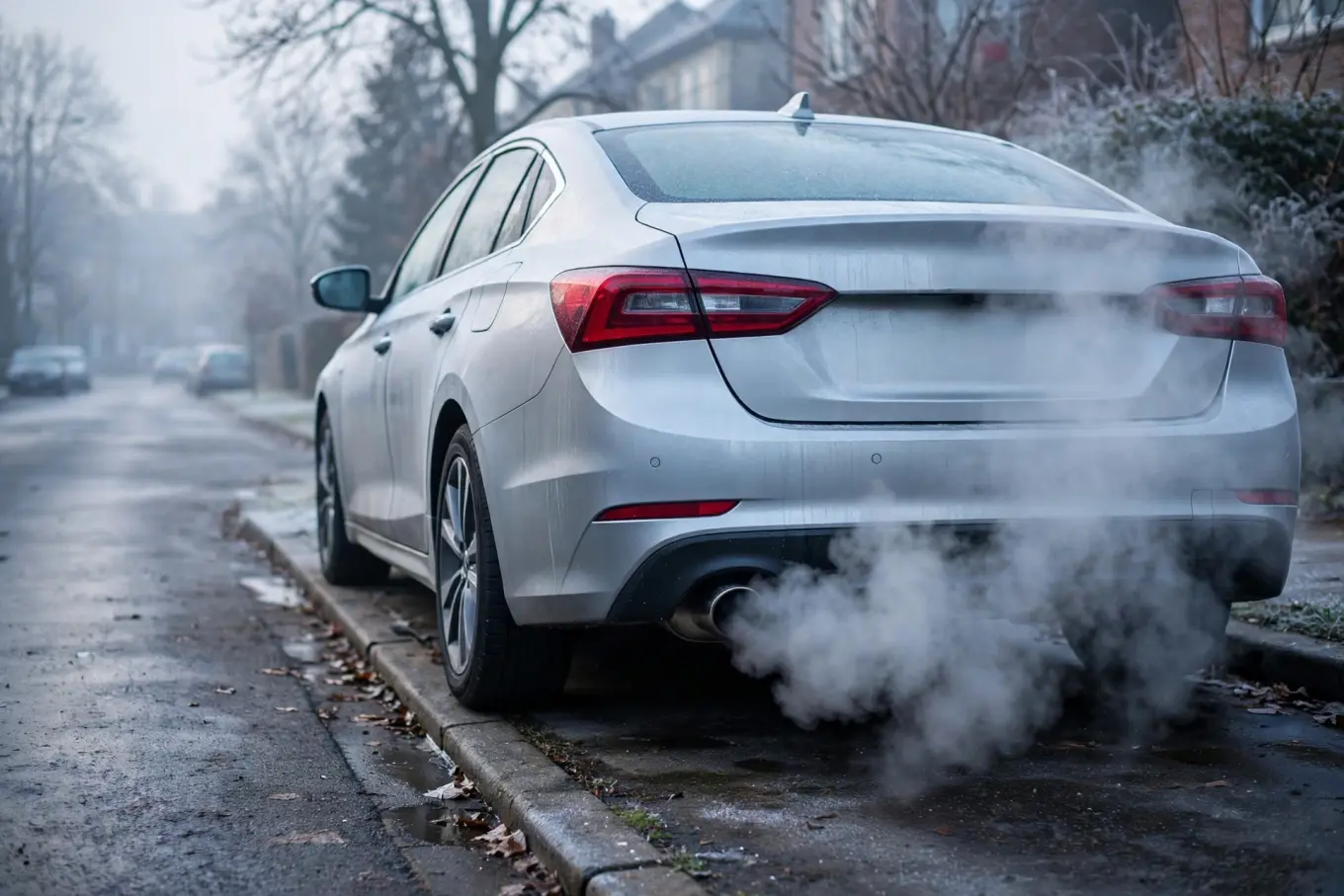
No single symptom proves a blown head gasket. Look for a pattern, two or more of these showing up together:
- White smoke from the exhaust that does not clear up after the engine warms up, often with a sweet smell. That smell is coolant burning in the combustion chamber.
- Coolant disappearing with no puddle under the car and no visible leak. If the reservoir keeps dropping, the coolant may be going through the engine.
- Milky, frothy oil on the dipstick or under the oil filler cap. Coolant mixing with oil turns it into a light brown sludge that looks like a milkshake.
- Bubbles in the coolant reservoir with the engine running, or coolant being pushed out of the reservoir. Exhaust gas forcing its way into the cooling system is a strong sign.
- Overheating that keeps coming back after you top off the coolant.
- Rough idle, misfire, or a loss of power, especially if it started with the coolant loss.
- An external leak, coolant or oil seeping from the seam where the head meets the block.
Read the cautions carefully, because each of these has innocent explanations. White smoke on a cold morning is normal condensation. A milky film under the oil cap alone can come from short trips in cold weather. A single misfire can be a spark plug. That is why the tests below matter more than any one symptom.
Cheaper Problems That Look Like a Blown Head Gasket
A shop that guesses "head gasket" without testing may sell you the biggest job on the menu for a problem a far simpler repair would have fixed:
- A stuck thermostat, a failing water pump, or a clogged radiator can all cause repeat overheating with a good head gasket.
- An intake manifold gasket leak can drink coolant with no head gasket involvement.
- A cracked hose, a weeping radiator, or a leaking heater core can explain coolant loss with no visible source.
- Worn valve seals or piston rings can burn oil and produce smoke that looks alarming but has nothing to do with the head gasket.
- Normal condensation can explain a little white exhaust smoke and a faint milky film.
If a diagnosis jumps straight to the head gasket without any test results, get a second opinion. The tests below are cheap compared to the repair, and they separate a real failure from a lookalike.
How to Test for a Blown Head Gasket
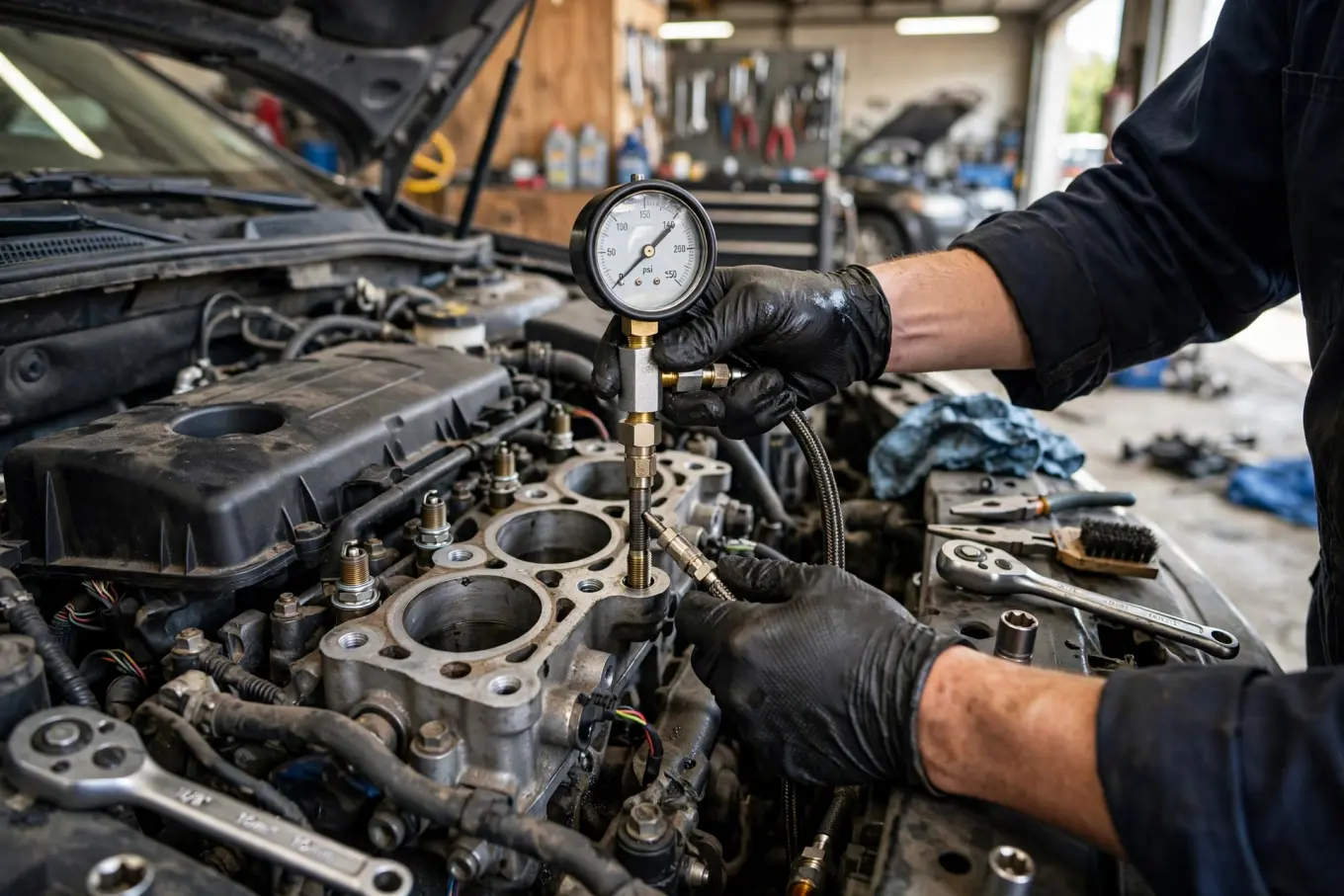
Work through these in order. You need more than one pointing the same way. Never open a radiator cap on a hot engine. Let the engine cool fully first.
- Cold engine coolant check. With the engine stone cold, check the coolant level and look at the coolant itself. An oily sheen, or coolant that looks rusty and contaminated, suggests the fluids are mixing.
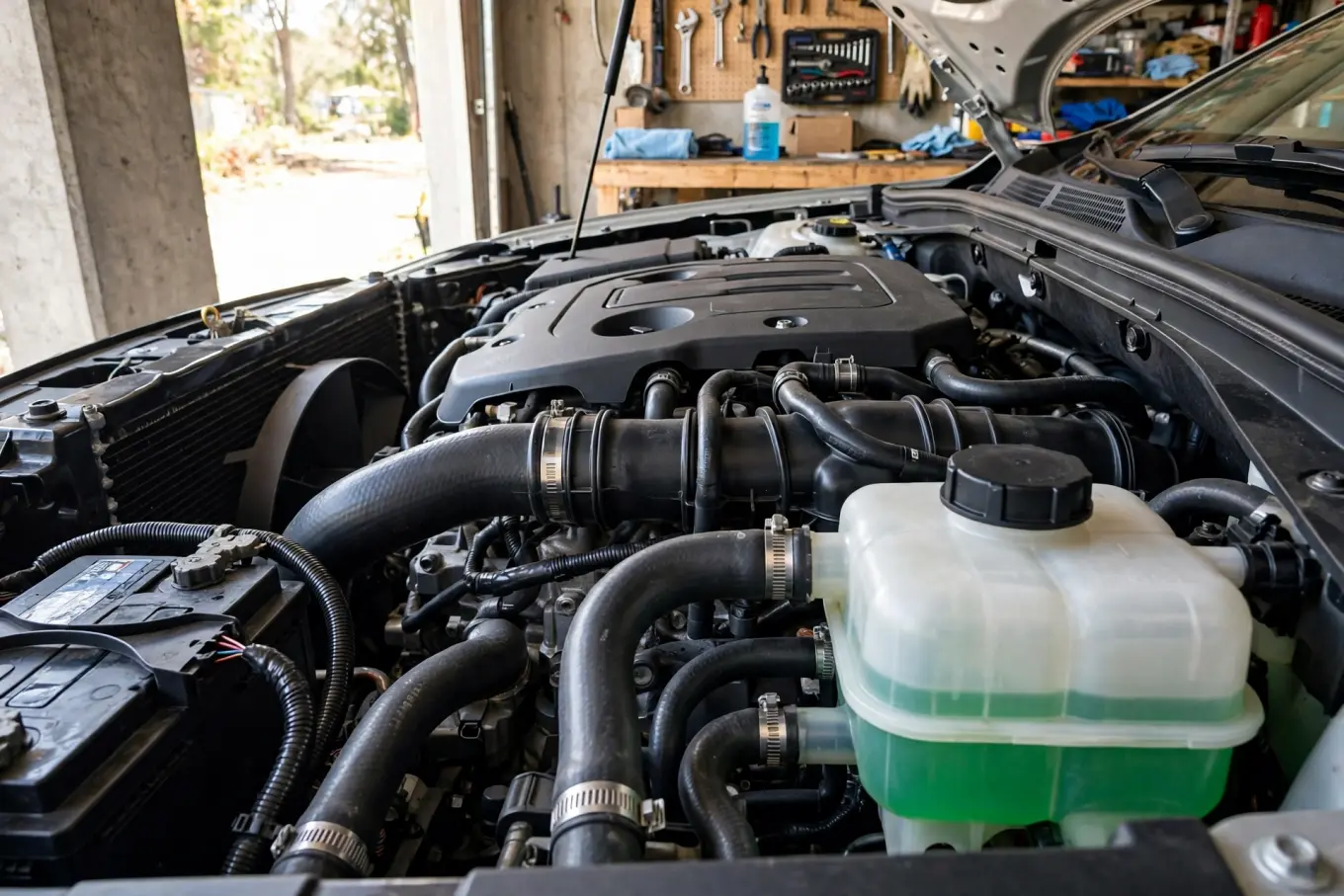
- Watch the reservoir with the engine running. Leave the cap on and watch the reservoir as the engine idles. A steady stream of bubbles, or coolant that keeps getting pushed out, suggests exhaust gas is entering the cooling system.
- Chemical block test. A block test kit uses a dye that changes color if exhaust gas is present in the coolant. It is inexpensive, it takes a few minutes, and it is one of the most useful tests a home mechanic can run. Follow the kit instructions exactly.
- Compression test. A compression tester screws into each spark plug hole in turn while you crank the engine. You are comparing cylinders to each other, not chasing a single magic number. Two adjacent cylinders that read far lower than the rest point toward a gasket failure between those cylinders. Check your owner's manual for the procedure and the expected range for your engine.
- Leak-down test. A shop pumps air into each cylinder with the valves closed and listens for where it escapes. Air hissing into the cooling system or into a neighboring cylinder is strong evidence. This test takes more equipment, so it is usually a shop job.
- Check for cross-contamination. Look at the oil on the dipstick and under the cap, and look at the coolant. Oil in the coolant or coolant in the oil, confirmed beyond a faint film, means the fluids are crossing somewhere, and the head gasket is a prime suspect.
- Scan for codes. A basic OBD2 scanner may show misfire codes, often on adjacent cylinders. Codes support a diagnosis, they never prove one alone.
Two or more positive tests, plus matching symptoms, is a solid diagnosis.
What the Repair Costs
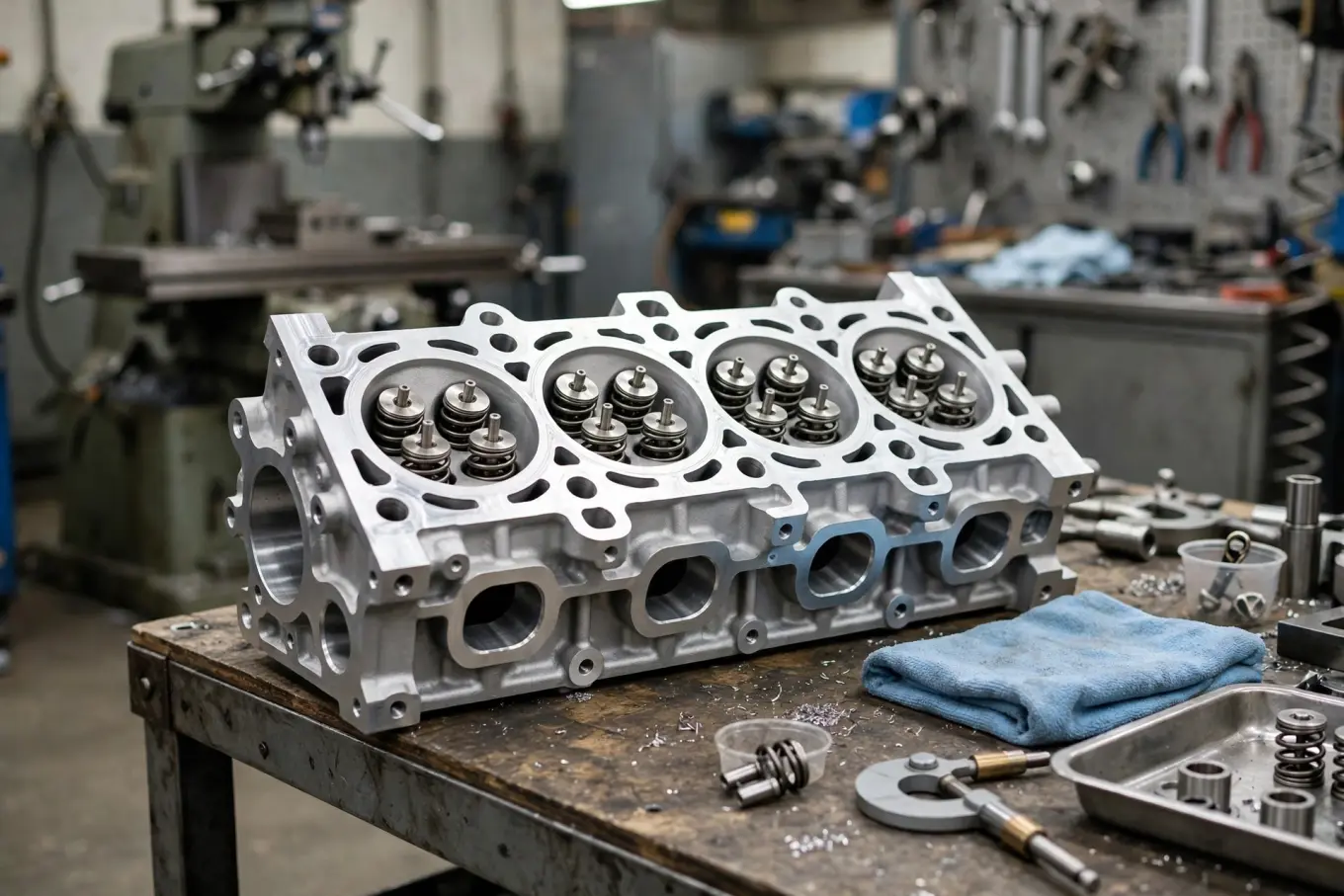
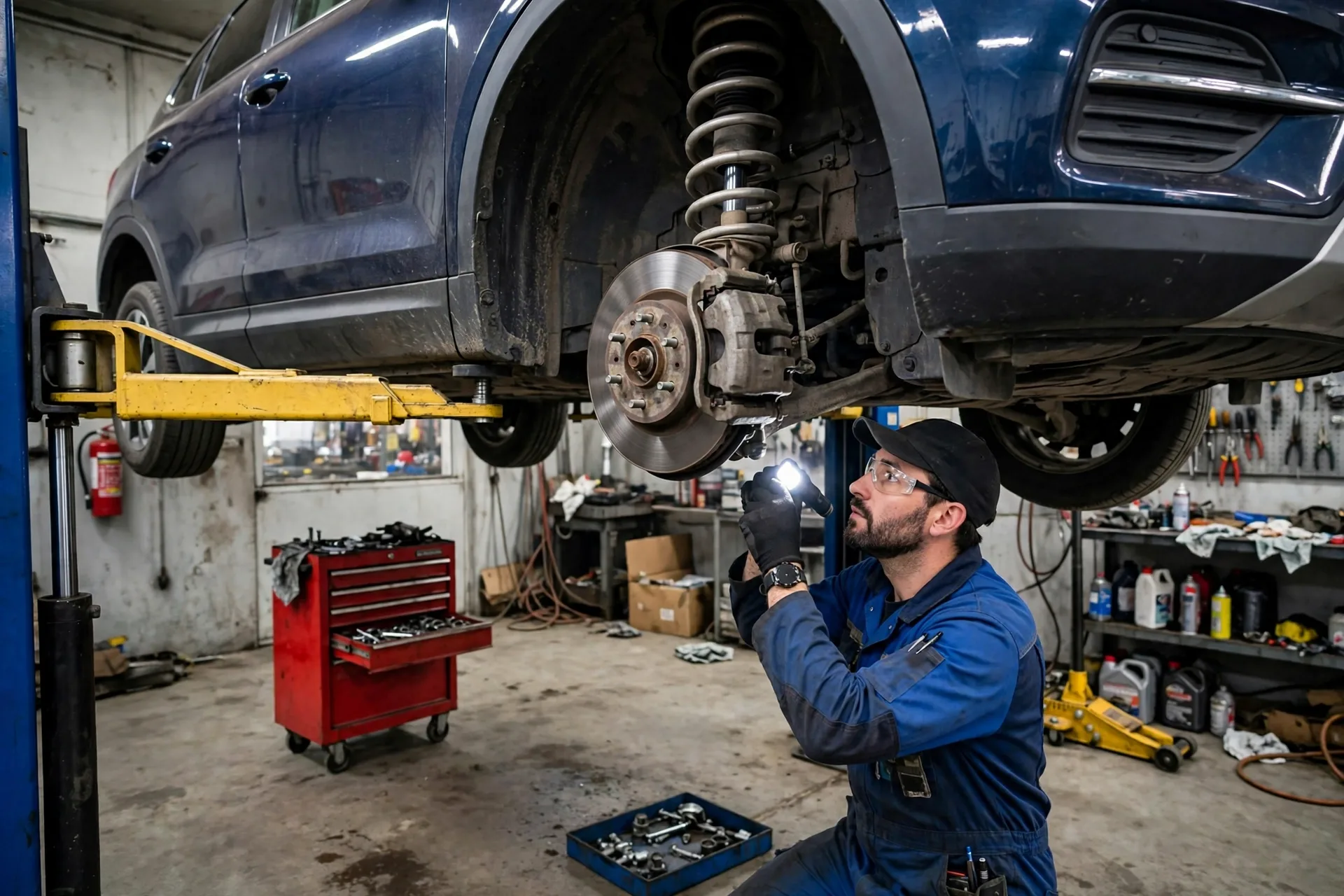
Here is the honest shape of the bill. The gasket itself is a cheap part. The job is almost all labor. The top of the engine comes apart, the cylinder head comes off, the head gets checked for warping and cracks, the sealing surfaces get cleaned, and everything goes back together with new gaskets and, usually, new head bolts. The bill reflects the hours, not the parts.
An independent shop will generally charge less than a dealer, and a dealer will generally use factory parts and back the work with a dealer warranty. Either way, this is a big ticket job. What moves the price is the engine layout, since some engines are far harder to take apart than others, whether the head needs machining, whether the head turns out to be cracked, and what else gets replaced while the engine is already apart, such as the timing parts or the water pump.
Get written quotes from at least two independent shops and one dealer. Ask each one to itemize parts, labor, machining, and what else is included. Get the head inspected before anyone commits to a number. A cracked head changes the decision entirely.
Is It Worth Fixing?
The answer depends on the car, not the gasket:
- How is the rest of the car? A car with a solid transmission, a rust free body, good tires, and no other major needs is a good candidate. One that already needs a transmission and has serious rust is a different story.
- How long will you keep it? If you planned to drive the car for years, the repair buys you those years. If you were already shopping for a replacement, it may just delay the inevitable.
- What else does it need? Add up every pending repair, not just the gasket.
- What does a replacement cost? Compare the repair against the cost of a reliable used car. If the repair costs far less, and the car is otherwise sound, fixing it usually wins.
Here is where I take a side: skip the pour-in head gasket sealant. These products can clog the heater core and the radiator, they rarely hold, and they can make a proper repair harder later. The only exception is a car you are already planning to scrap. On any car you intend to keep, sealant is a false economy.
DIY or Shop?
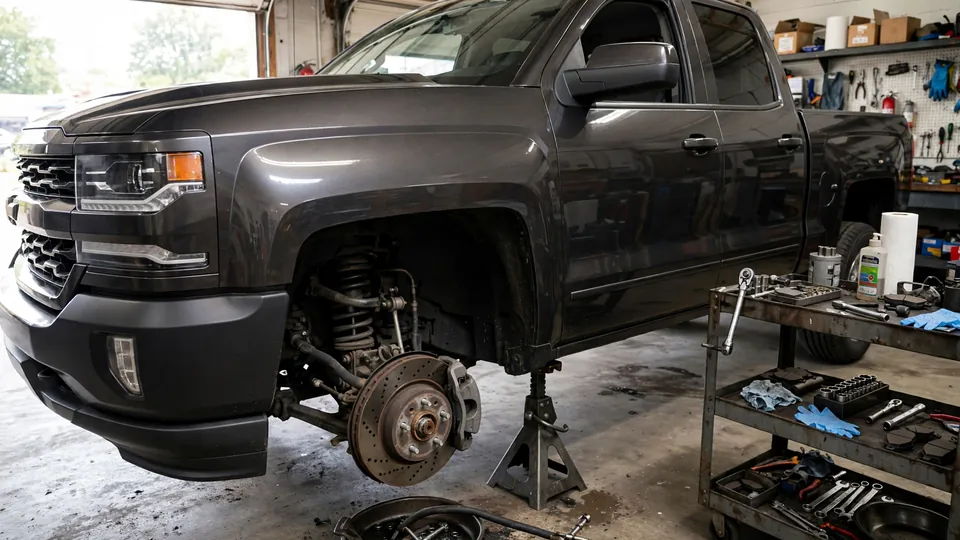
For almost everyone, this is a shop job. It is advanced engine work, it needs a torque wrench, a service manual for your exact engine, and access to a machine shop to check the head. It will have the car out of service for days, and one mistake means doing the whole job again.
The DIY case exists, but it is narrow. If you have done major engine work before, you have the manual, you have the time, and you have a second car to drive, you can save the labor bill. The 2006-2008 Subaru Forester EJ25 - Head Gasket Replacement Complete guide shows what a full head gasket job looks like on one engine. If any of that is missing, pay a shop.
FAQ
Can you drive with a blown head gasket? Not really, and not far. Every mile risks warping the head or mixing enough coolant into the oil to damage the bearings. If the temperature gauge climbs, pull over and shut it off.
How long does the repair take? A shop will usually need the car for several days, partly because the head may go out to a machine shop. A DIY repair is a weekend or longer job.
Does a blown head gasket always cause white smoke? No. Some failures leak coolant externally, some mix oil and coolant without any smoke, and some cause overheating as the only symptom.
Will a head gasket sealer fix it? Almost never, and not permanently. It can slow a small leak for a while, but it can also clog the heater core and radiator.
The Bottom Line
A blown head gasket is serious, but it is not an automatic death sentence for your car. Confirm it with tests, get itemized quotes, check the head, and judge the car as a whole. If the car is otherwise solid, fixing it is usually the right call. If it is already falling apart, let it go. And if a shop hands you this diagnosis without a single test result, walk out and get a second opinion. For a look at what the job actually involves, see the 2010-2014 Subaru Outback - Head Gasket Replacement guide, and if you are tracking down a mystery fluid loss first, start with What Is Leaking From My Car? Identify by Color and Smell.
Safety: Informational DIY. EZ Car Fix is not a shop or dealer.