Car Heater Blowing Cold Air: 7 Causes to Check First
No heat in your car on a freezing morning is miserable, but the answer is usually boring and simple. In most cars it is one of two things: low coolant or a thermostat stuck open. Before you call a shop, give the engine a real warm-up. Most cars need 5 to 10 minutes of actual driving before the vents blow hot. Idling in the driveway barely warms the engine.
If you have driven 15 minutes and the air is still cold, here are the 7 causes in order of likelihood.
1. Low Coolant Level
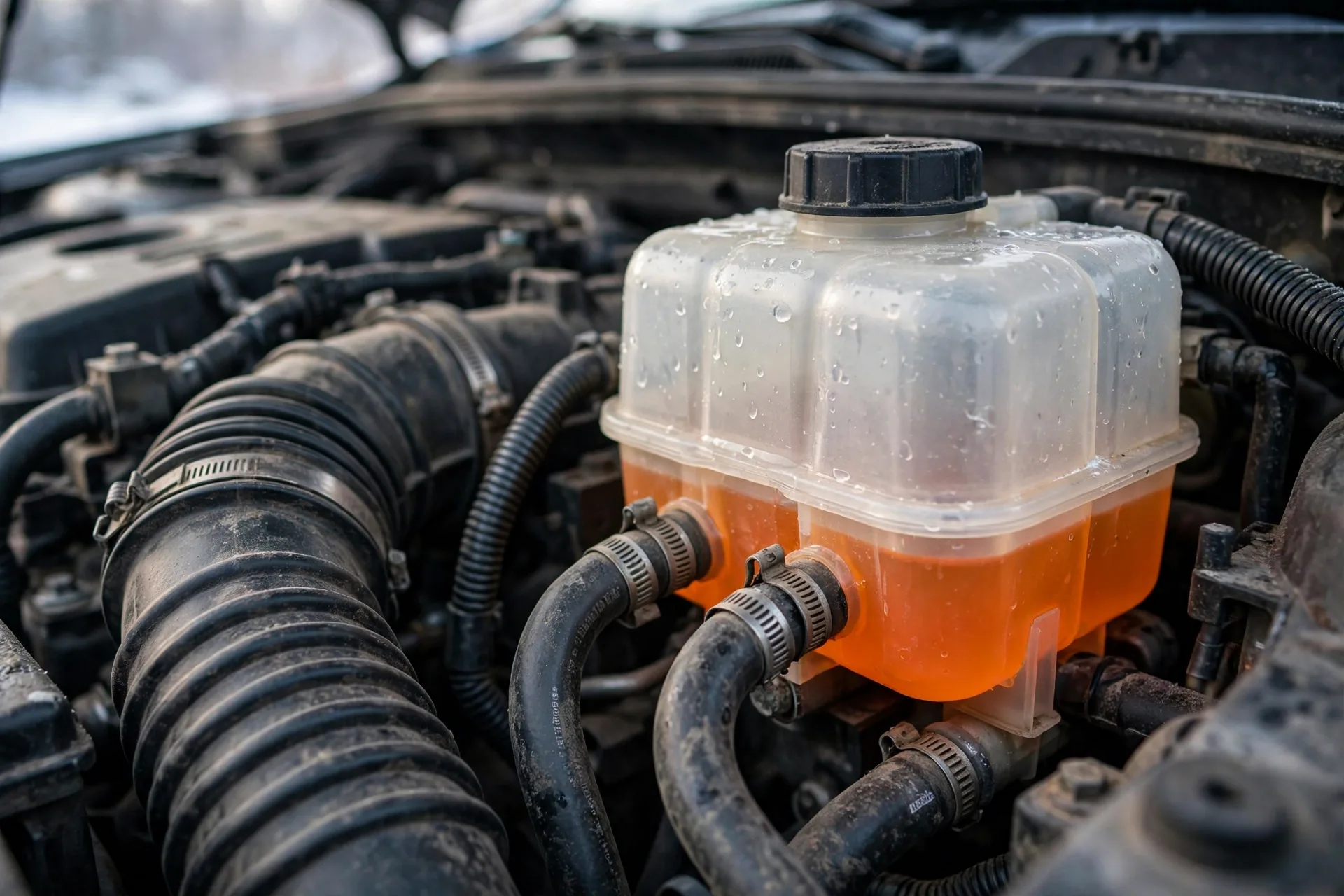
Your heater is a small radiator called the heater core, and hot engine coolant flows through it. The heater core sits high in the cooling system, so when the coolant level drops even a little, the heater core is the first thing that starves. Cold vents with a healthy temperature gauge is the classic low-coolant signature.
Check the overflow reservoir when the engine is completely cold. If the level is at or below the low mark, top it up with the coolant type your owner's manual specifies. Never open the radiator cap on a hot engine.
The important part: coolant does not vanish for no reason. If the level was fine a few months ago and is low now, you have a leak somewhere. A slow hose seep, a weeping water pump, or a tired radiator cap are the usual suspects. Top up to get your heat back today, then find the leak this week, because low coolant that keeps dropping will eventually overheat the engine.
2. Thermostat Stuck Open
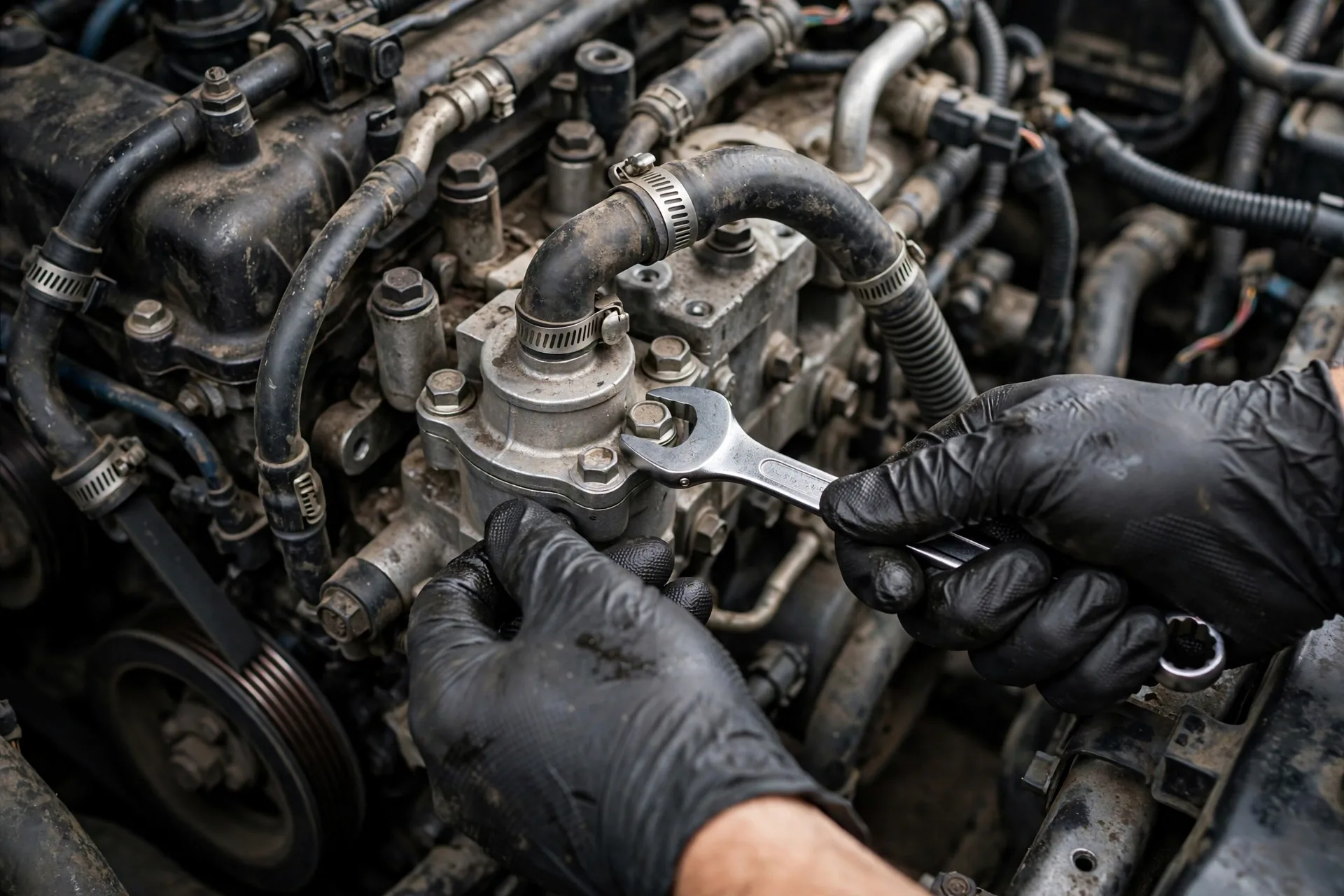
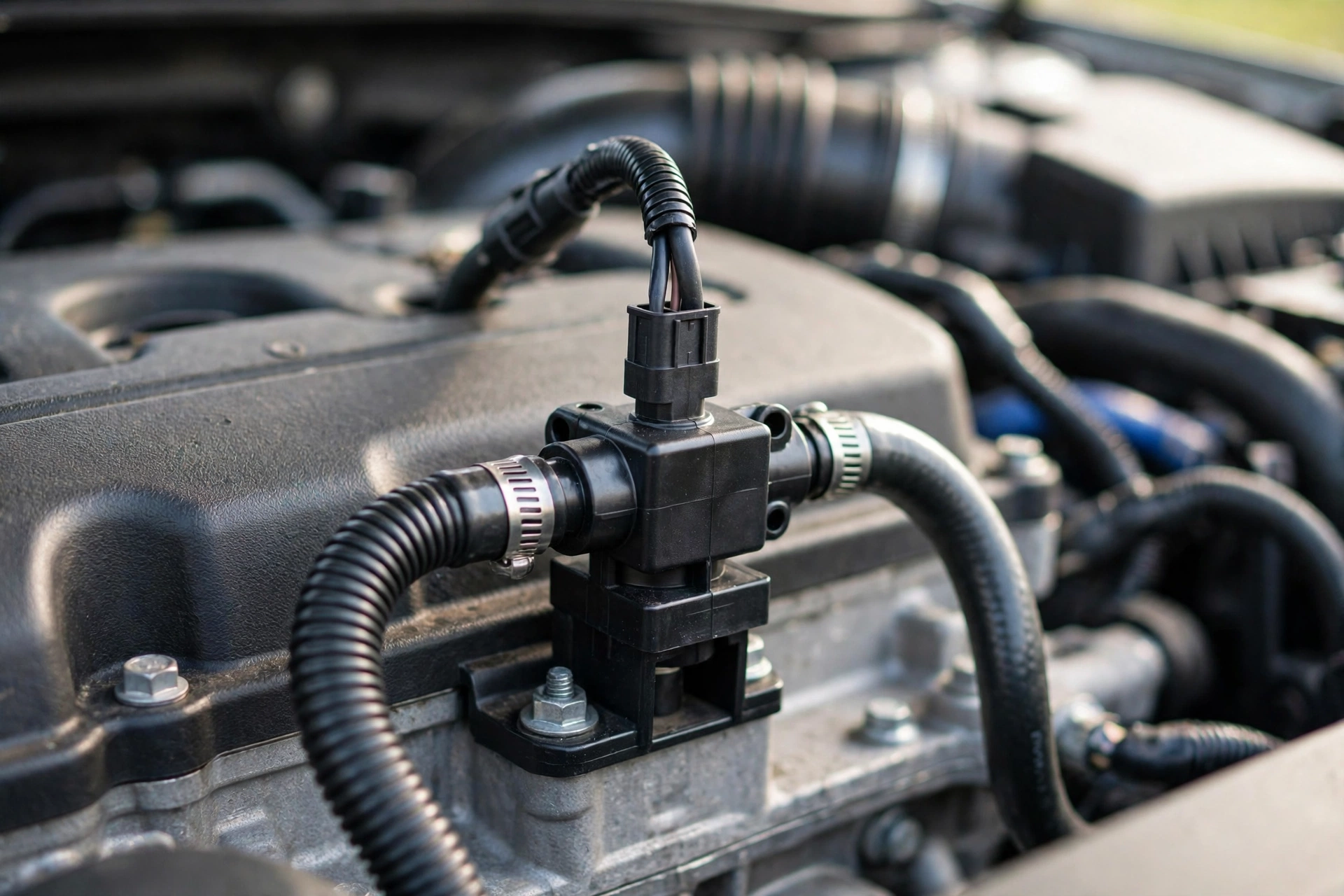
The thermostat is a small valve that keeps coolant circulating inside the engine until it warms up, then opens to let the radiator do its job. When it fails, it usually fails stuck open. Coolant flows through the radiator from the first second, the engine never fully warms up, and your heater blows lukewarm at best.
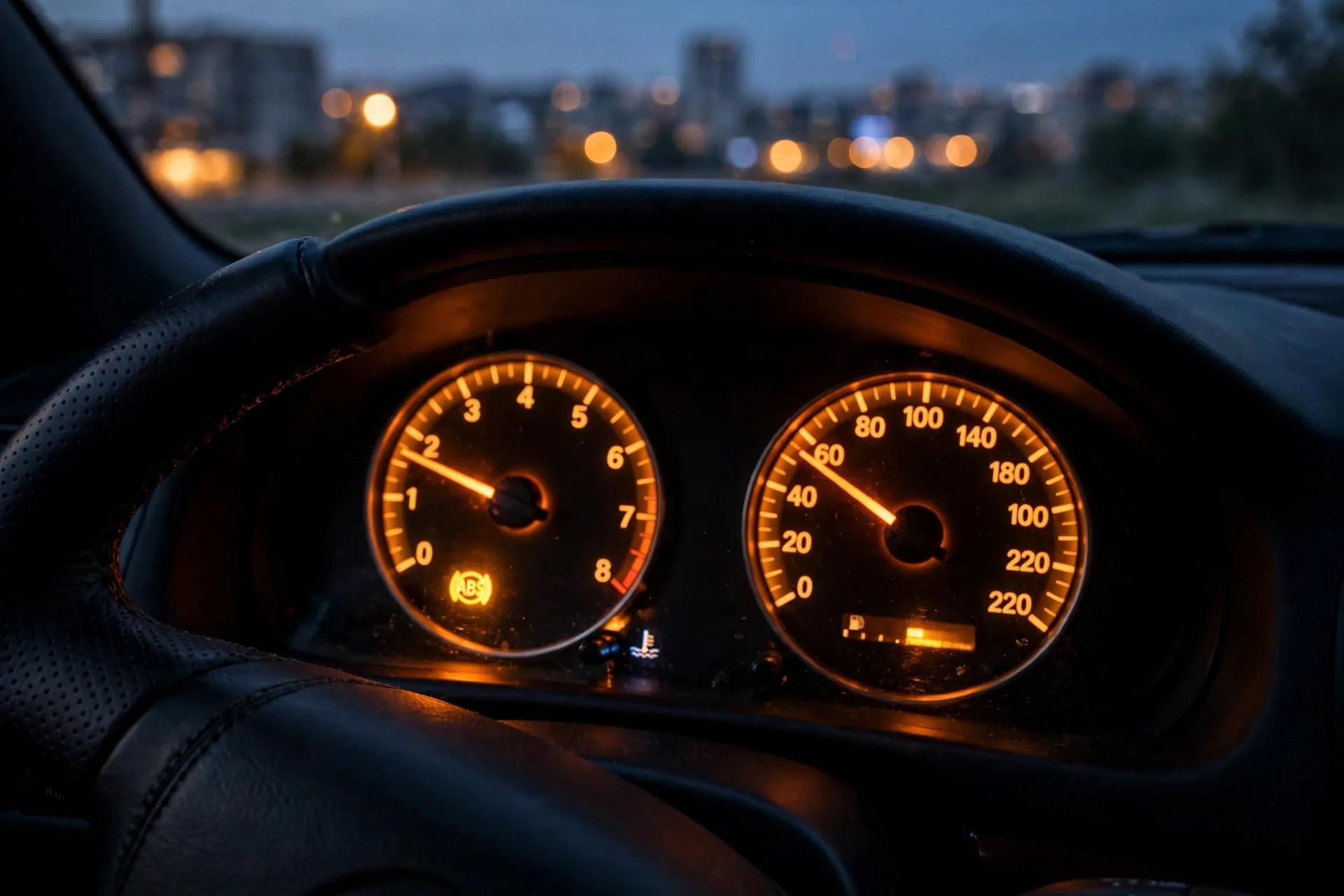
The dead giveaway: your temperature gauge sits low, well below its normal midpoint, even after a long drive. Cold heater plus a low temperature gauge equals thermostat almost every time.
The thermostat itself is a cheap part. The labor is the variable, because on some cars it is a 30-minute job on top of the engine and on others it is buried behind other components. Either way, diagnose first and replace second.
3. Clogged Heater Core
Coolant carries rust, scale, and old sealant bits. Over the years that debris can partially clog the narrow tubes of the heater core and restrict hot coolant flow. Symptoms: heat that is weak at idle but improves when you rev the engine, or one heater hose hot and the other cold under the hood.
A cooling system flush sometimes clears a mild clog. A badly clogged heater core has to be replaced, and that is one of the most labor-heavy jobs on a car because the entire dashboard usually has to come out. Flush first and hope for the best.
4. Air Trapped in the Cooling System
Air pockets act like a blockage, and they love to park themselves in the heater core at the highest point of the system. Signs: heat that comes and goes, a gurgling or sloshing sound from behind the dashboard when you start the car, and a temperature gauge that wanders.
Air gets in after a coolant change that was not bled properly, or it gets in through a leak that is also letting coolant out. Most cars have a bleed procedure, and the repair guide for your model covers it. Bleeding air out costs nothing if you do it yourself.
5. Blend Door Stuck on Cold
The blend door is a flap inside the dash that mixes cold air with hot air from the heater core. It is moved by a small electric motor called a blend door actuator. When the actuator dies or the door breaks, it can stick on full cold.
Clues: you turn the temperature knob from cold to hot and nothing changes, the engine is fully warm, and you hear a repetitive clicking or tapping from behind the dashboard. The part is usually cheap. The access is the problem, since it lives inside the dash, so this one is often a shop job unless you enjoy dashboard surgery.
6. Blower Motor or Blower Resistor Failed

If there is barely any air coming out of the vents at all, the problem is not heat, it is airflow. A dead blower motor means silence when you turn the fan on. A failed blower resistor is more common: the fan works only on the highest speed and nothing below it. Both are straightforward repairs.
Do not confuse weak airflow from a clogged cabin air filter with a dead blower. If the fan sounds normal but the airflow is weak, check the cabin filter first.
7. Failing Water Pump
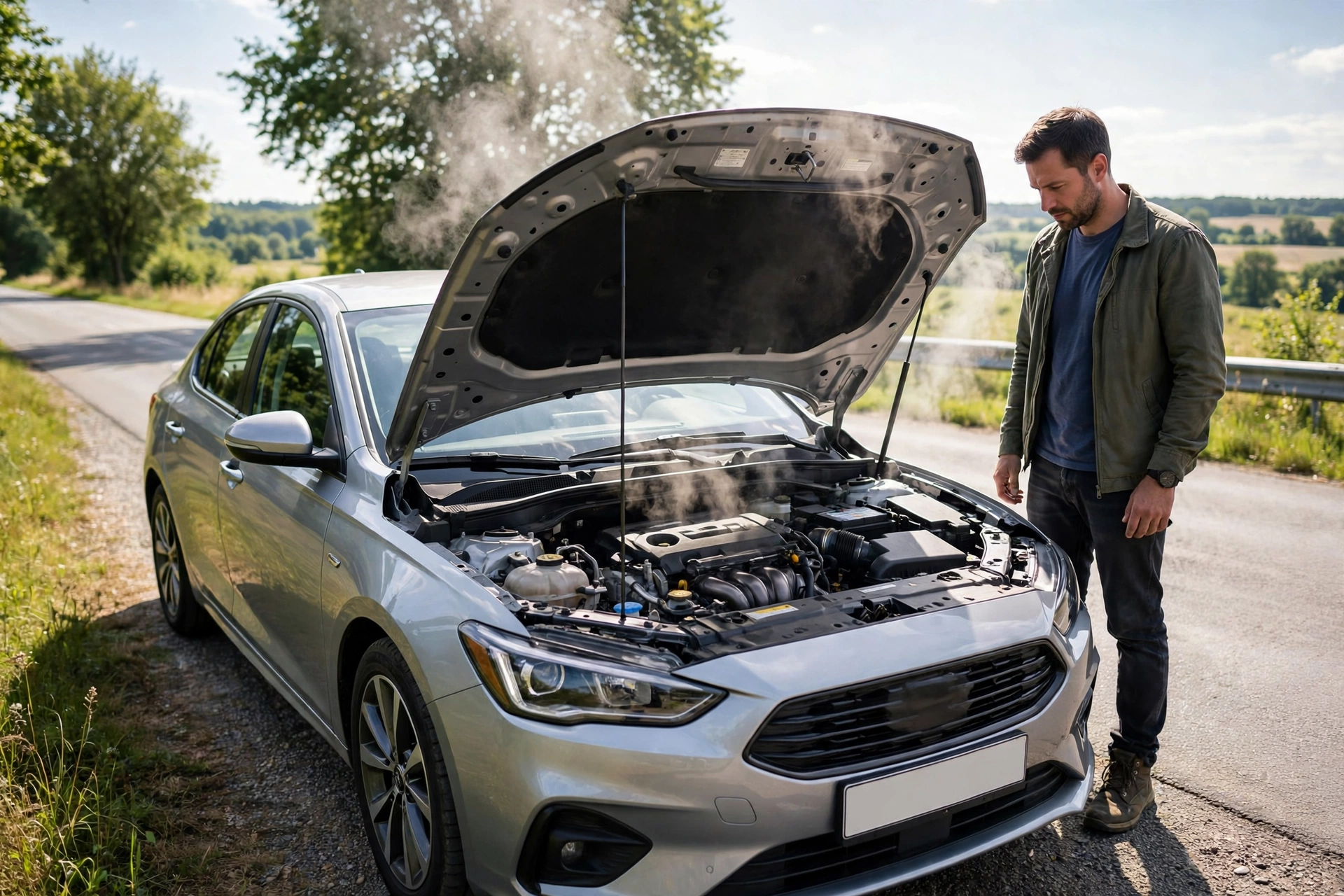
This is the least likely of the seven, but it happens. A water pump with a worn impeller moves less coolant, and at idle it may not push enough hot coolant through the heater core. The tell is heat that fades at idle and returns at speed, combined with a temperature gauge that runs hotter than usual or swings around. A failing water pump is a fix-it-now problem, because the next stage is overheating.
Diagnose It in 10 Minutes
Do these in order before you buy a single part.
- Drive the car for 10 minutes, then check the temperature gauge. Sitting low means thermostat. Sitting normal with cold vents points to coolant level, trapped air, or the heater core.
- With the engine warm, pop the hood and carefully feel the two heater hoses going through the firewall. Both hot means coolant is reaching the core, so look at the blend door. One hot and one cold means a clogged core or low flow.
- Let the engine cool completely, then check the coolant reservoir level. Low means top up and hunt for the leak.
- Sit in the car, turn the temperature knob slowly from cold to hot, and listen. Clicking behind the dash means a bad blend door actuator.
- Run the fan through every speed. Dead on all speeds points to the blower motor. Works only on high means the resistor.
These five checks pin down the cause in most cases without spending a cent.
What It Costs
Real prices vary by car and shop, so here are honest tiers. Topping up coolant yourself is the cheapest fix in car ownership. A thermostat is a cheap part with labor that ranges from easy to annoying depending on where it sits. A heater core flush is a moderate shop job. A heater core replacement is a big-ticket job because of the dashboard labor. Blend door actuators are cheap parts with fiddly access. Blower motors and resistors sit in the middle: affordable parts, usually reachable without drama.
The expensive mistake is replacing the heater core when all you had was low coolant. Diagnose first. If you want the full cooling-system picture and what overheating can cost an engine, read Radiator and Cooling System: Overheating Problems and $2,000 Engine Damage Prevention.
DIY or Shop?
Low coolant, trapped air, a cabin filter, and on many cars the thermostat and the blower resistor are solid DIY jobs. They need basic hand tools and patience, not special equipment. Heater core replacement and blend door actuators are shop jobs for most people, because the dashboard has to come apart and one broken clip turns a Saturday into a saga.
My take: if your temperature gauge reads normal and the reservoir is low, you already know the answer. Top up the coolant, watch the level for a week, and fix the leak you find. That single check solves more no-heat complaints than anything else on this list. Skip the parts cannon. A cold heater is a symptom, and throwing parts at symptoms is how a cheap fix turns into an expensive one.
If the thermostat is your prime suspect, here is a full walkthrough on one example car: 2011-2015 Chevrolet Cruze - Thermostat Replacement. And if your coolant looks rusty or has not been changed in years, read Coolant Flush: Why It Matters and How to Do It Without Making a Mess first, then the step-by-step on one example: 2018-2024 Chevrolet Equinox - Coolant Flush.
FAQ
Why does my heater blow cold at idle but hot when I drive?
Low coolant or a weak water pump. At higher RPM the pump pushes more coolant through the heater core, which masks the problem. Check the reservoir level first.
Is it safe to drive with the heater blowing cold?
If the temperature gauge reads normal, driving is fine, you will just be cold. If the gauge is low, high, or swinging, park it and diagnose. Cold vents caused by low coolant can turn into overheating fast.
Can I just add coolant to fix my heater?
Yes, if the level is low. That restores heat immediately in most cases. But coolant loss means a leak, so keep checking the level for the next week. If it keeps dropping, find and fix the leak.
Why is my temperature gauge low and I have no heat?
A thermostat stuck open. The engine never reaches operating temperature, so there is no heat to send to the cabin. Replace the thermostat.
Safety: Informational DIY. EZ Car Fix is not a shop or dealer.
Last reviewed: October 2026.