Transmission Slipping: Causes, Cost, When Fluid Won't Fix It
Your transmission is slipping if the engine revs up but the car does not pick up speed to match. That is the whole problem in one sentence, and it is the one symptom you should never ignore, because slipping means the transmission is losing its grip on the power the engine is sending it.
Slipping does not fix itself. It gets worse with every mile you drive on it, and the difference between a cheap fix and a big ticket job is often just how long you wait. The good news is that some causes are simple, and a fluid service or a small repair handles them. The bad news is that some causes mean internal wear, and no fluid change will bring a worn transmission back. Here is how to tell which one you are dealing with.
What Transmission Slipping Feels Like
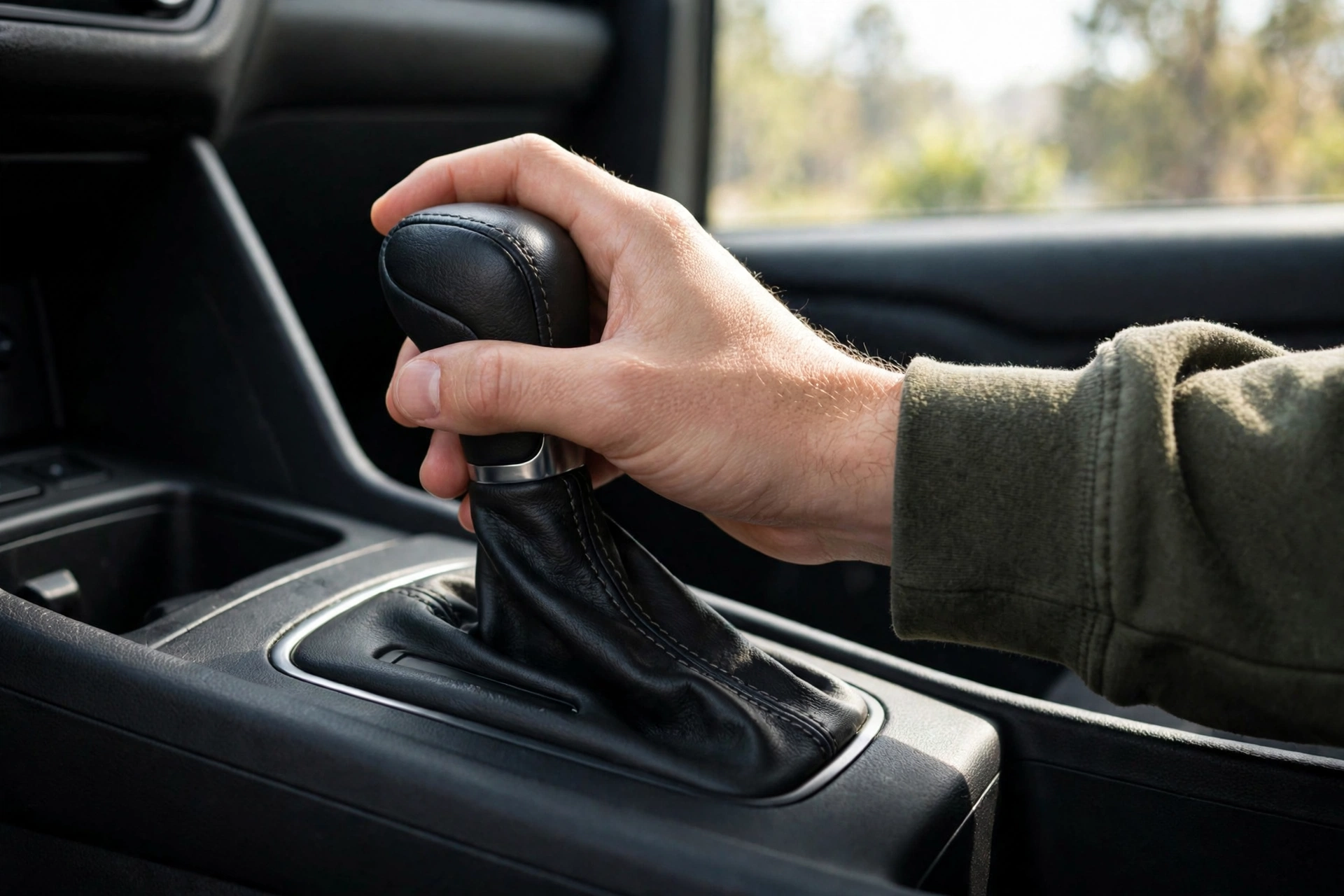
Slipping shows up in a few familiar ways. The most common is the RPM flare: you press the gas, the engine note rises, and the car barely accelerates, like the engine is working hard and the wheels did not get the message. You may also feel a long pause after you shift into Drive or Reverse, as if the car is thinking about it before it moves. Some cars shudder or hesitate during a shift, or drop out of gear for a second and then catch again with a clunk.
A burnt smell after driving is another warning sign, and so is a check engine light or a transmission warning light on the dash. Any one of these on its own is worth checking. Two or more together mean you should stop guessing and start diagnosing.
The Most Common Causes
Low or worn out fluid is the first suspect, and the one you should hope for. Transmission fluid does three jobs at once: it lubricates, it cools, and it carries the hydraulic pressure that engages the gears. When the level drops from a leak, or the fluid breaks down from heat and age, pressure falls and the clutches and bands inside cannot hold. The result is slip.
Worn clutch packs and bands are the next level up. Inside an automatic transmission, clutch packs grip to hold each gear. Over time and miles, their friction material wears thin, the same way brake pads wear. Once they are worn, they slip under load, and no fluid change restores worn friction material.
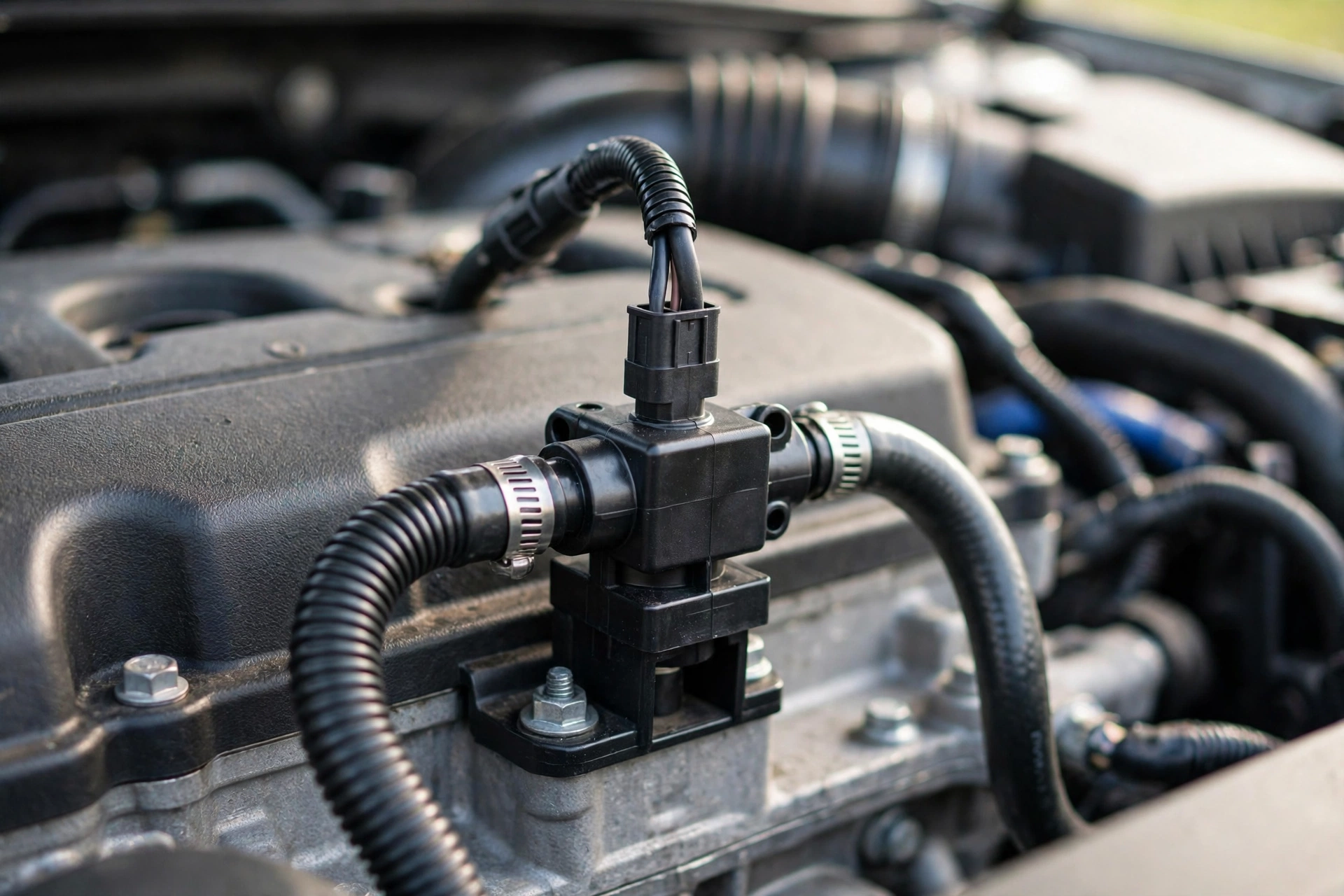
Shift solenoids and the valve body come next. Solenoids are small electric valves that direct fluid to the right clutch pack at the right moment. When one sticks or fails, the transmission shifts late, shifts hard, or slips between gears. This is a control problem, not a wear problem, and it is often fixable without opening the whole transmission.
The torque converter can also be the culprit. It is the fluid coupling between the engine and the transmission on an automatic, and when its internal clutch or seals fail, you get shudder, slip, and overheating, usually most noticeable at steady cruising speed.
Manual transmissions slip too, but for a different reason. A worn clutch disc cannot grip the flywheel, so the engine revs and the car does not move to match. A manual that slips in high gear under load, like climbing a hill, is a classic worn clutch.
Finally, sensors and the transmission computer can cause slip-like symptoms. A bad speed sensor or a faulty throttle position sensor feeds wrong information to the computer, and the computer picks the wrong gear or the wrong shift timing. That is why scanning for codes matters before you assume the worst.
How to Diagnose It Before You Pay Anyone
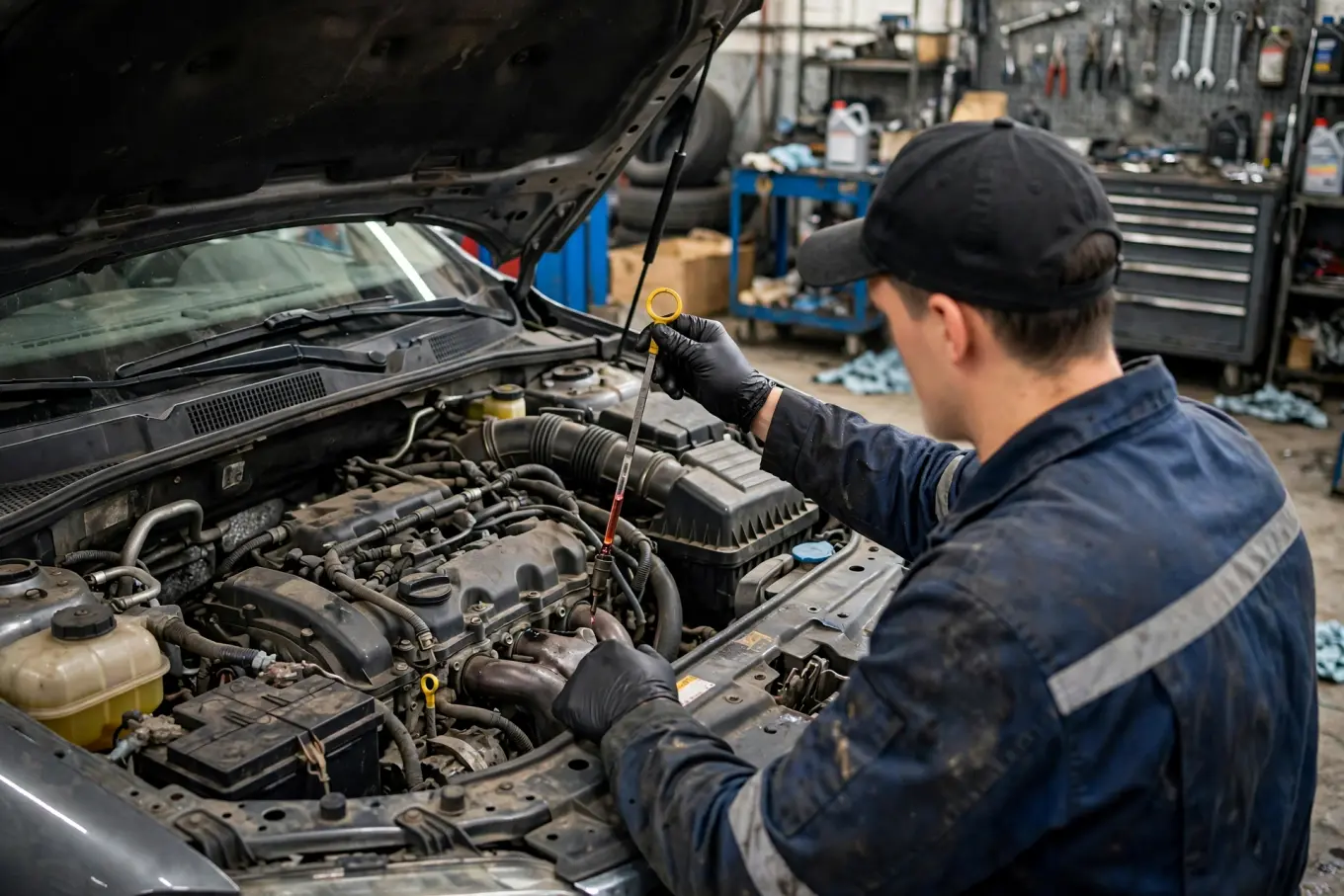
Work through these steps in order. They cost nothing, and they will keep a shop from selling you a rebuild for a problem that a fluid service would have fixed.
- Write down exactly when it slips. Cold only, hot only, in one gear, on upshifts, on downshifts, in Reverse, under hard acceleration, or all the time. The pattern is the best clue a mechanic gets, and it separates fluid problems from internal wear.
- Check the fluid, if your car has a dipstick. Many newer cars do not, so check your owner's manual first for whether your transmission has a dipstick and where it sits. Healthy fluid is translucent red or pink. Dark brown or black fluid with a burnt smell is worn out. A low level points to a leak that needs finding.
- Look under the car for fresh spots. Transmission fluid is usually red or brown, and it feels slick between your fingers. A puddle under the middle of the car after parking overnight is worth tracing to its source.
- Scan for trouble codes with an OBD2 scanner. Transmission related codes and a check engine light narrow the search fast. If the light is on, our walkthrough 2023-2026 Acura Integra, Check Engine Light / OBD2 Diagnosis shows how a code scan fits into a real diagnosis, and our post Check Engine Light: What It Actually Means and What You Should Do explains what the light is actually telling you.
- Take a careful test drive and note the details. Does engagement delay after shifting into Drive? Does it flare on one particular shift? Does it shudder at steady speed? Details like these separate a solenoid problem from a worn clutch pack.
- Stop driving it hard. Gentle driving to a shop is one thing. Repeated hard acceleration on a slipping transmission turns a small repair into a big one, because every slip grinds away a little more friction material.
When a Fluid Change Fixes It, and When It Will Not

A fluid service fixes slipping when fluid is the actual problem. Low fluid from a leak, once the leak is repaired and the level is restored, can bring a transmission back to normal shifting. Old, degraded fluid with early, mild symptoms can also respond to a fresh service, because clean fluid restores the pressure and cooling the transmission was missing. If your car is overdue for service and the slipping is recent and mild, a fluid change is the right first move. Our guide 2017-2021 Acura MDX - Transmission Fluid Change shows what a fluid service looks like step by step, and our post Transmission Fluid: 'Lifetime' Fluid Myth explains why lifetime fluid claims deserve skepticism.
A fluid change will not fix slipping when the problem is inside the hardware. If the slipping continues after fresh fluid, the clutches, bands, or torque converter are worn, and clean fluid cannot restore worn friction material. Metal flakes or grit in the old fluid are another sign of internal wear, and so is slipping in every gear, slipping that gets worse week by week, or a transmission that will not engage at all. Loud noises along with slipping point the same way.
One more caution: get a diagnosis before agreeing to a flush on a transmission that has been neglected for years. A drain and fill, or a proper service recommended after inspection, is the safer path when the fluid is very old and the transmission is already slipping. A shop that inspects first and services second is a shop you can trust.
What It Costs
Without a diagnosis, any price is a guess, but the tiers are clear, and they show why catching this early matters.
A fluid service sits at the cheap end. It is a maintenance job, mostly fluid and labor, and it is the outcome you want. A solenoid, sensor, or external seal repair sits in the middle: often a cheap part with mostly labor, since reaching the part is the hard part. A torque converter or valve body job is a big ticket repair, because the transmission has to come out or come apart. A full rebuild or a replacement transmission is the most expensive outcome, and on an older car it can cost more than the car is worth.
Dealers usually charge more than independent shops for the same job, and independents are usually the better bet for out of warranty transmission work, especially a shop that specializes in transmissions. The DIY savings story is real but narrow: a fluid service is one of the few transmission jobs a home mechanic can do well, with the right procedure from the owner's manual. Internal work, rebuilds, and torque converter jobs are shop work, and a bad DIY attempt there gets expensive fast.
DIY vs Shop: The Verdict
Do the free diagnosis yourself. Check the fluid, look for leaks, scan the codes, and write down the exact pattern. If the fluid is low or overdue and the slipping is mild and recent, a fluid service is a fair DIY job on cars that allow it, following your owner's manual. If the slipping continues after fresh fluid, if you find metal in the fluid, or if the transmission will not engage, that is shop territory. A transmission specialist with a scanner and a lift will find in an hour what weeks of guessing will not, and an early visit is what keeps a fluid job from becoming a rebuild.
FAQ
Can I drive with a slipping transmission?
Only gently, and only as far as a shop. Slipping gets worse, not better, and a transmission that slips today can leave you stranded tomorrow. Keep your speed down, avoid hard acceleration, and get it looked at.
Will a fluid change fix my slipping transmission?
Sometimes, if fluid is the problem. Low or degraded fluid is the most common cheap cause, and fresh fluid can restore normal shifting. If the slipping continues after fresh fluid, the problem is internal, and fluid alone will not fix it.
Does slipping mean I need a new transmission?
Not always. Leaks, old fluid, bad solenoids, and bad sensors all cause slipping and none of them require a rebuild. A rebuild enters the picture only when the internal clutch packs, bands, or torque converter are worn out.
Why does my transmission slip only when it is cold?
Cold only slipping often points to fluid condition or sealing trouble that shows up before everything warms and expands. Check the fluid level and condition first. If the fluid is fine and the symptom persists, get a diagnosis, because it rarely stays cold only forever.
The take is simple. Slipping is your transmission asking for help, and the cheapest help is fast help. Check the fluid, scan the codes, and act on what you find instead of hoping it goes away. If a fluid service fixes it, you just saved yourself a big ticket job. If it does not, you caught a worn transmission early, and that is still the cheapest version of a bad situation. Start with the fluid walkthrough in 2017-2021 Acura MDX - Transmission Fluid Change and work from there.
Safety: Informational DIY. EZ Car Fix is not a shop or dealer.